Online Reporter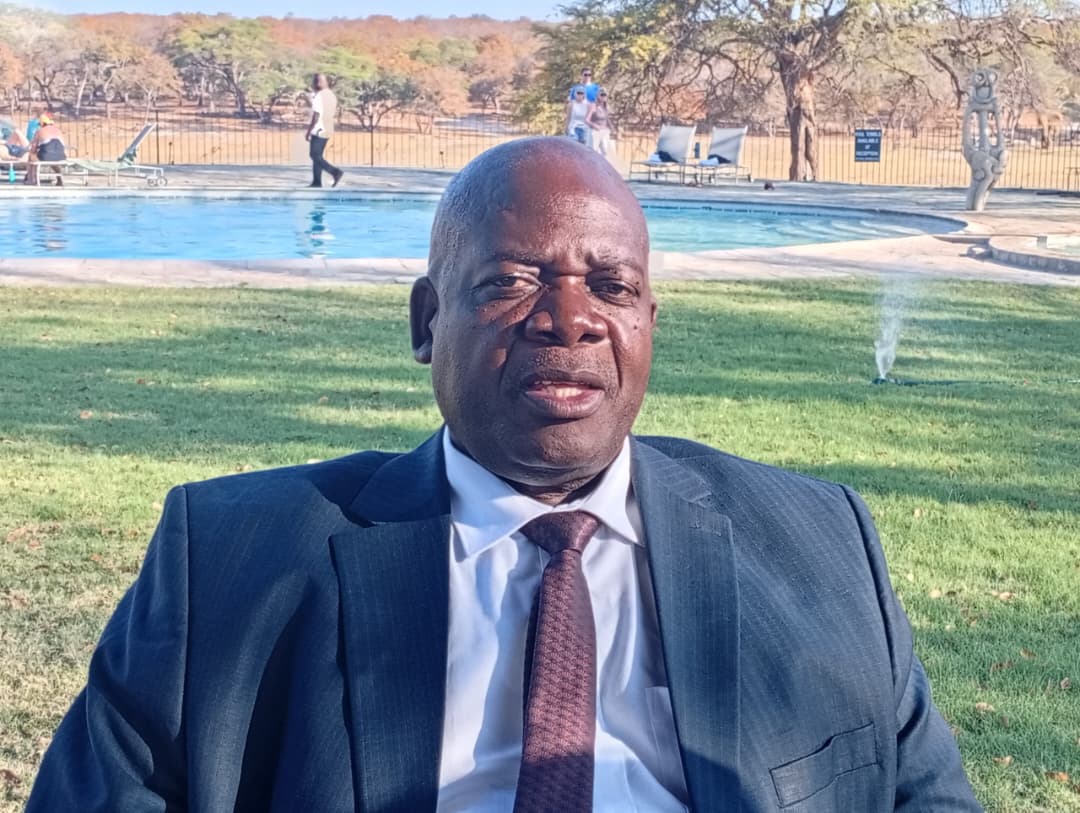
Sikhumbuzo Moyo in Binga
GOVERNMENT is set to construct 1 000 new schools across the country as it intensifies efforts to close the education infrastructure gap and regularise satellite schools that have emerged in communities where demand for learning facilities has outstripped available infrastructure.
The programme is expected to bring relief to thousands of learners in underserved communities by expanding classroom space, improving teachers’ accommodation and increasing access to electricity and digital learning facilities.
The initiative will also provide an opportunity to bring satellite schools into the formal education system, with Binga District in Matabeleland North identified as one of the areas requiring urgent intervention.
Binga has 71 unregistered primary schools and 30 unregistered secondary schools. Satellite schools have largely emerged in areas where communities have grown faster than the development of formal school infrastructure, resulting in learners being accommodated in facilities that have yet to meet all the requirements for registration.
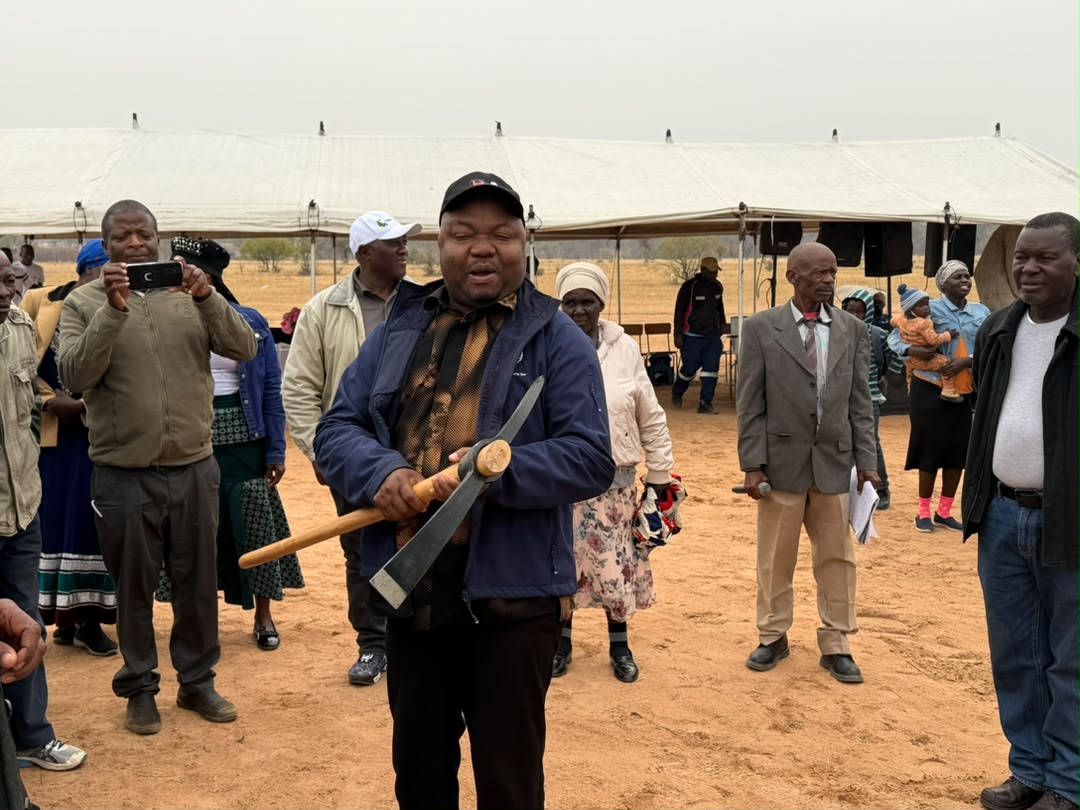
Speaking during a tour of schools in Binga yesterday, Primary and Secondary Education Minister Torerayi Moyo said Government has secured funding from a consortium of companies for the construction of the 1 000 schools, with the programme expected to help address infrastructure shortages and accelerate the regularisation of satellite schools.
“The Government has secured funding from a consortium of companies targeting the construction of 1 000 new schools across the country. The programme will provide an opportunity to transform the learning environment in satellite schools and ensure learners in rural areas have access to infrastructure comparable to that available in urban areas,” he said.
The latest development comes as Government seeks to address long-standing disparities in access to education, particularly between urban areas and remote communities.
Minister Moyo said the focus was not simply on increasing the number of schools, but on creating learning environments that give children in rural areas opportunities comparable to those available to their urban counterparts.
“We don’t want many disparities between urban schools and rural schools. The outlying districts, the marginalised districts like Binga, the pass rate has been very low.
“Now it’s time for us as Government to redress the situation, to close the imbalances, to close the gaps which were there by capacitating all our schools,” he said.
In Binga, the infrastructure deficit has a direct impact on learners sitting public examinations.
Minister Moyo said the lack of registration at satellite schools meant learners could not write public examinations at their own schools, forcing some to travel between 15 and 20 kilometres to examination centres.
“The major disadvantage is that students are travelling long distances to write their public examinations. In some worst cases, they travel for 15 to 20 kilometres, and that is not good at all,” he said.
Minister Moyo said the long distances could affect examination performance because learners arrived at examination centres already tired.
“By the time they get to the examination room, they will be fatigued, they will be tired, and that contributes to the poor pass rate that we have been witnessing at most satellite schools,” said Minister Moyo.
The planned intervention will go beyond classroom construction, with Government also targeting teachers’ accommodation and access to electricity.
Solar power will be provided at schools before they are connected to Starlink kits, as Government seeks to extend digital learning to rural communities.
The push for better-equipped schools is also linked to the implementation of the heritage-based curriculum and Education 5.0, which place greater emphasis on practical learning, innovation and the development of solutions to challenges affecting communities.
Minister Moyo said improved access to computer laboratories and ICT hubs would give learners greater opportunities to conduct research and develop innovative projects.
“Education is the gateway to economic development and growth. Because we have introduced the heritage-based curriculum, Education 5.0, we encourage our students to be highly innovative in the way they do business,” he said.
Minister Moyo said the thrust was to ensure learners were equipped with skills that went beyond academic qualifications and enabled them to develop practical solutions that could contribute to economic development.
He expressed concern over the number of unregistered schools in Binga, saying Government would intervene to improve their infrastructure and facilitate their progression towards formal registration.
“As Government, we are disturbed by the number of unregistered schools in Binga. We have to make some corrective decisions and we are going to intervene and assist by providing new infrastructure in the schools that are operating as satellites,” said Minister Moyo.
The development of new schools and upgrading of existing facilities aligns with the Government’s broader effort to expand access to education and improve the quality of learning infrastructure, particularly in communities that have historically lagged behind.
Meanwhile, Minister Moyo said he was satisfied with the preparedness of schools following the opening of the third term.
During his tour of six schools in Binga, he said teachers had prepared their schemes of work for the
term, while registers were in place and had been marked on opening day.
Teachers handling examination classes had also conducted vacation and extra lessons ahead of the public examinations, with Grade Seven examinations scheduled for September and Ordinary and Advanced Level examinations following in October.
Minister Moyo said Government was hopeful that improved preparation, infrastructure and support would translate into better examination results, particularly in districts such as Binga that have historically recorded low pass rates.
The minister will conclude his Matabeleland North tour today by addressing school heads from across the province at Coalfields Primary School in Hwange.