Online Reporter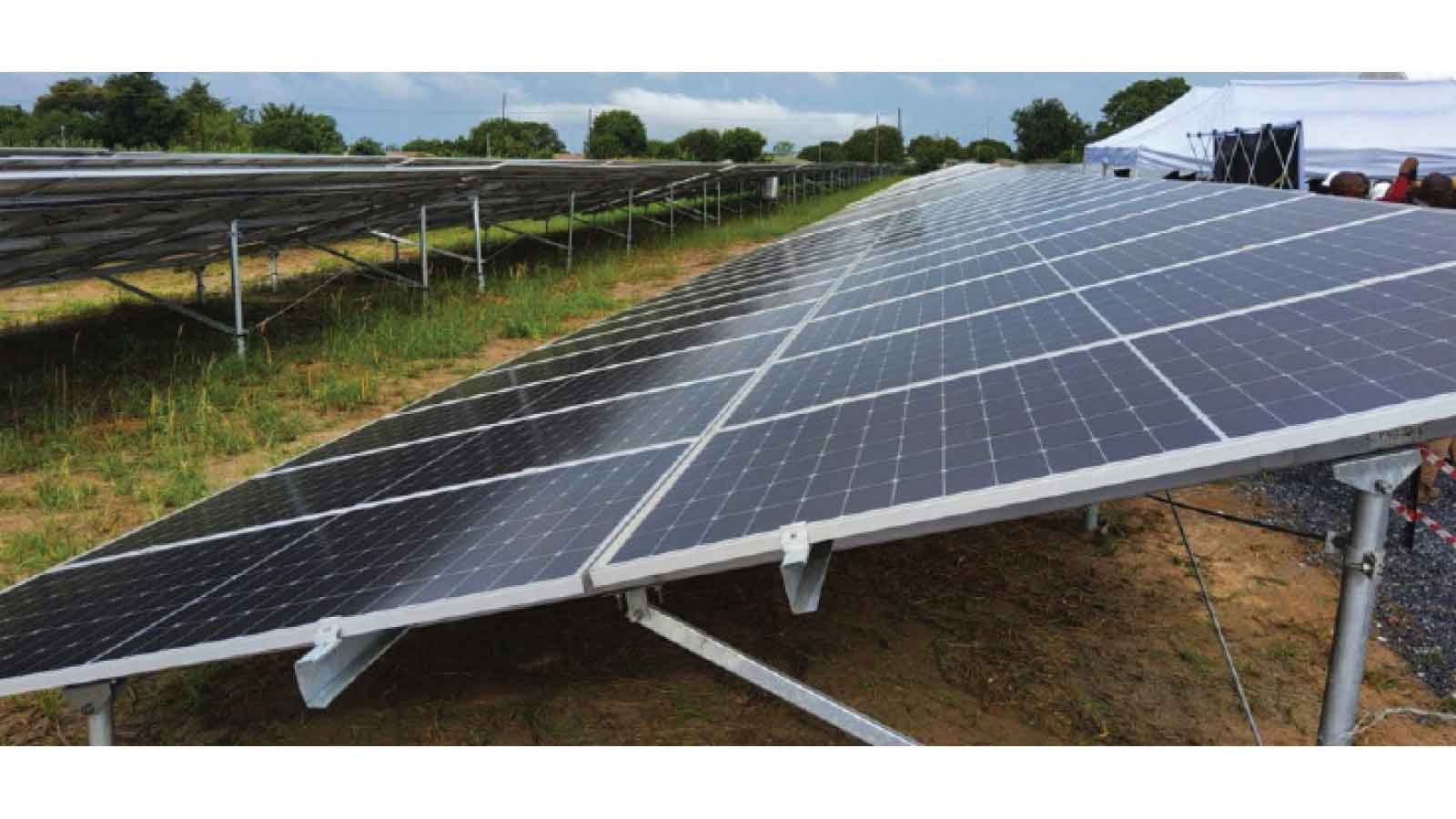
Oliver Kazunga
Senior Reporter
THE Second Republic has scored a major milestone in transforming rural communities, with 1 864 of Zimbabwe’s rural clinics now electrified, leaving only 72 to connect as Government closes in on universal access to modern energy services under Vision 2030.
The achievement places Zimbabwe within striking distance of completing the electrification of its rural health centres, with two provinces — Mashonaland Central and Matabeleland North — already reaching 100 percent.
A total of 209 rural clinics in Mashonaland Central have all been electrified, while 167 in Matabeleland North have been covered.
The milestone entails that the Rural Electrification Agency (REA) has now electrified 1 864 rural clinics, representing over 96 percent of the facilities that were without electricity when the agency embarked on the rural electrification programme in 2002.
The latest breakthrough has seen all rural clinics in Mashonaland Central and Matabeleland North provinces connected to electricity, while the remaining provinces are steadily closing the gap.
REA public relations and marketing executive Mr Johannes Nyamayedenga said the pace of electrification was bringing Zimbabwe closer to achieving universal access to modern energy services in rural communities by 2030.
“The achievement in rural health centres in the two provinces and the pace being taken by other provinces in electrifying the remaining clinics is a remarkable achievement towards our journey of providing universal access to modern energy services in all the rural areas of Zimbabwe by 2030,” he said.
The remaining 72 clinics are spread across seven provinces, with Masvingo and Mashonaland West accounting for the largest provincial shares at 18 clinics each.
Manicaland has 14 clinics remaining, followed by Midlands with 10, Mashonaland East with eight and Matabeleland South with only four.
The distribution of the remaining facilities highlights how close the country is to completing one of the critical components of its rural development agenda.
Mr Nyamayedenga said when REA was established in 2002, Zimbabwe had 1 936 rural clinics, including facilities located in some of the country’s most remote communities, without access to electricity.
“Electrifying a rural health centre is not just about lights, but it is saving lives, especially expecting mothers and greatly reducing the child mortality rate prevalent in our rural communities,” he said.
The electrification programme is also changing the quality and availability of healthcare services in remote communities.
Mr Nyamayedenga said electrified rural health centres were now able to provide 24-hour services, refrigerate vaccines and operate equipment such as X-ray machines, eliminating situations where patients arriving at night could previously be turned away because of the absence of electricity.
The agency is using both conventional grid electricity and solar energy to reach rural health centres, allowing the programme to extend to communities where grid connectivity remains difficult.
The progress comes as the Government continues to expand electricity access to underserved and marginalised communities through REA and private-sector participation.
Presenting the 2026 Mid-Term Budget Review Statement last month, Finance, Economic Development and Investment Promotion Minister Professor Mthuli Ncube said US$12,4 million had been utilised from the Rural Electrification Fund between January and June this year to finance 212 grid-energised projects across eight provinces.
Social infrastructure accounted for the bulk of the expenditure, including 81 primary schools, 54 secondary schools and 20 rural health centres.
Economic commentator Mr Jabulani Chibaya said rural electrification could have benefits extending beyond healthcare.
“Electricity is an enabler of rural development. It can lower operational costs, support local productivity and strengthen access to telecommunications, financial services and other essential services,” he said.
Mr Chibaya said reliable electricity could also support vaccine cold chains and telemedicine, while improving access to healthcare and information for communities that face geographical barriers.
Political and social commentator Mr Dereck Goto said the electrification of more than 96 percent of rural clinics represented a significant development milestone, but Government should now focus on how effectively the infrastructure was being used.
“Electricity at a clinic does more than improve healthcare. It creates a reliable public-service node around which communications, water systems, businesses and other services can develop,” he said.
“The next test is utilisation — a powered clinic without adequate equipment, medicines, connectivity and personnel represents incomplete development. The policy focus must therefore shift from infrastructure coverage to infrastructure productivity.”
Mr Goto said reliable electricity could also help narrow the rural-urban development gap by enabling farmers and businesses to use machinery, irrigate and process agricultural produce, while creating conditions for investment in local enterprises.
“The objective should not be to make rural Zimbabwe resemble urban Zimbabwe, but to give rural communities the infrastructure to build competitive economies around agriculture, mining, tourism and local enterprise,” he said.
Social commentator Mr Kudzai Mutisi said the historical attraction of urban areas had partly been driven by better access to electricity, water, education and healthcare.
He said the expansion of modern infrastructure in rural communities could make them increasingly attractive for investment and improve the quality of services available to residents.
“The rural-urban divide has always been about access to modern facilities. Apart from the electrification of rural clinics, rural communities are also benefiting from infrastructure such as solar-powered boreholes and improved connectivity,” he said.
Mr Mutisi said electricity could enable rural health centres to provide more advanced services, including telemedicine, while supporting other forms of digital access.
The completion of the remaining 72 clinics would therefore mark not only the near-universal electrification of rural health facilities, but also the beginning of a new phase in which Government and communities would need to ensure that the infrastructure is adequately maintained and matched with equipment, medicines, skilled personnel and connectivity.
And for rural Zimbabwe, the measure of success will ultimately be whether access to electricity translates into better healthcare, stronger local economies and improved living standards.