Kudakwashe Mugari
Deputy National Editor
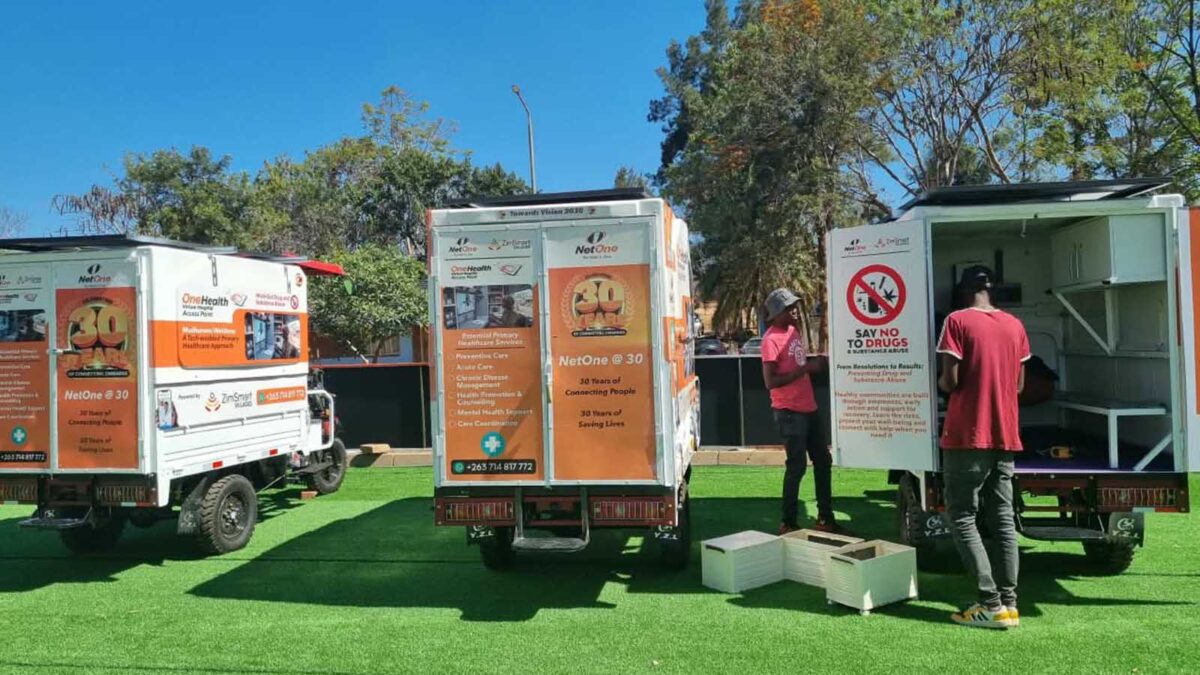
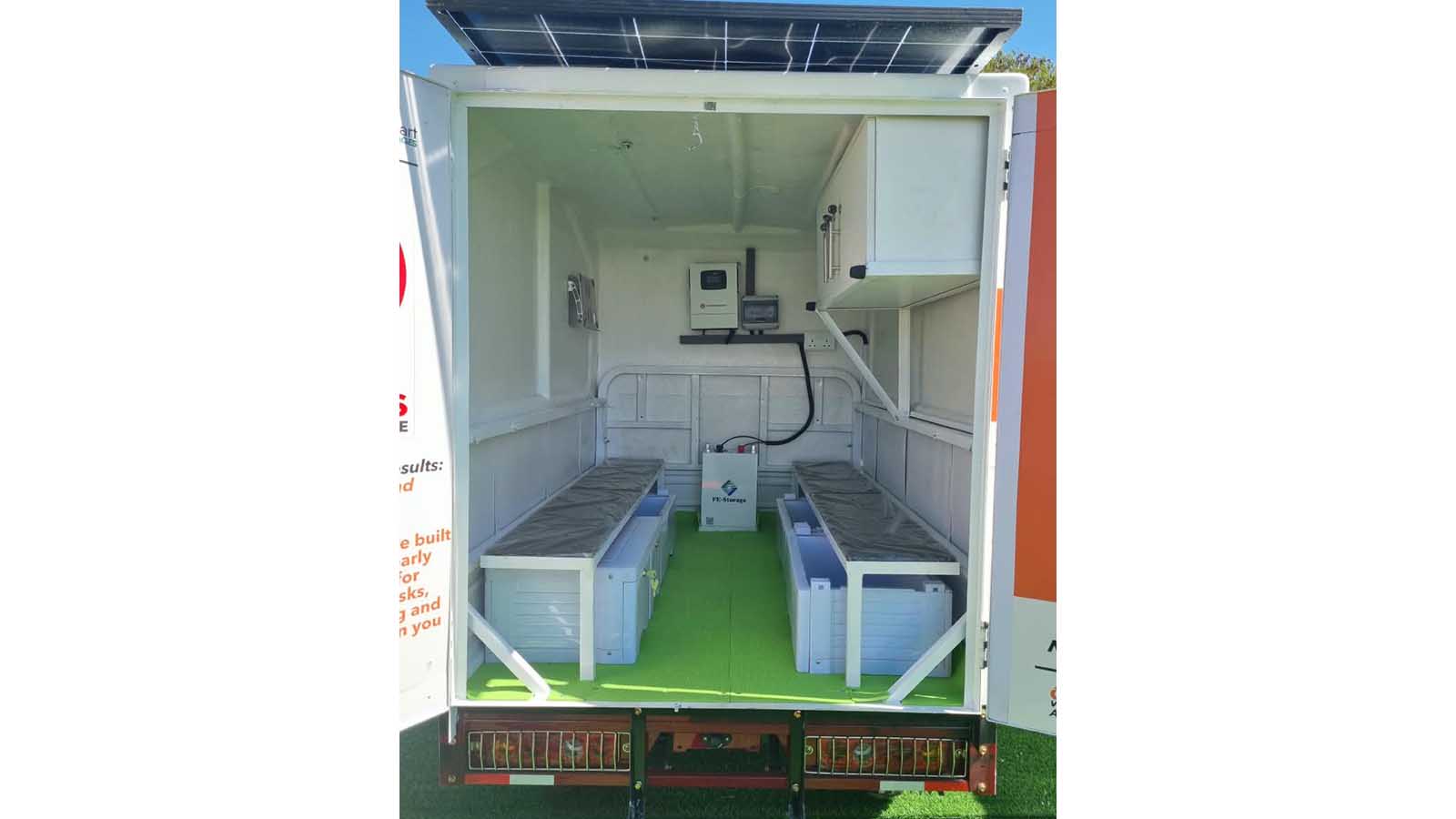
President Mnangagwa will on Saturday launch the Presidential Ward-Based Primary Health-Care Outreach Programme, a new initiative that will take health services closer to remote and underserved communities through nurse-manned three-wheeler Mobile Health Kiosks.
The launch will be held on the sidelines of the ZANU PF Annual National People’s Conference in Chinhoyi.
The programme is designed to fulfil the President’s primary governance directive of leaving no one and no place behind by deliberately targeting marginalised, rural and vulnerable communities that lack easy access to standard clinics and referral hospitals. The three-wheelers will operate as Mobile Health Kiosks, supported by community health workers and linked to nurses, clinicians, diagnostics, approved medicines and referral facilities. The model will enable patients to be screened locally, connected to a clinician through telehealth where necessary, and referred for further care.
Chief Medical Officer for ZimSmart Villages, Mr Admore Jokwiro, confirmed the programme yesterday.
”The Presidential Ward-Based Primary Health-Care Outreach Programme will be launched this Saturday by President Emmerson Mnangagwa on the sidelines of the ZANU PF Conference in Chinhoyi. It is designed to provide a first point of contact for people who often travel long distances to access basic health services,” said Mr Jokwiro.”
This is a ward-based health ecosystem that combines mobile access, static telehealth, trusted community promoters and last-mile delivery to make quality primary health care more reachable. The primary focus will be on early diagnosis and treatment of drug and substance abuse, diabetes and cancer. This is an initiative by the ZANU PF Health Department in partnership with NetOne and ZimSmart Villages,” he said.
Mr Jokwiro said the programme builds on the wider telehealth vision championed by First Lady Dr Auxillia Mnangagwa, whose advocacy has helped place technology-enabled healthcare and improved access for underserved communities higher on the national agenda.
ZimSmart Villages is driving the technical and operational model, drawing on its experience in digital health, telehealth, community outreach and connected healthcare delivery.NetOne has funded the first 10 three-wheeler Mobile Health Kiosks, with one kiosk allocated to each of Zimbabwe’s 10 provinces.
The units will form the first phase of a national rollout of 100 kiosks, which will extend the programme to district level, also funded by NetOne.The service pathway is straightforward: arrive, screen, connect, navigate, refer and follow up. At each kiosk, a nurse and community health worker will help identify health concerns, conduct approved checks, provide health information and connect eligible patients to a clinician.
Planned services include pregnancy monitoring, malaria screening and treatment within approved clinical protocols, blood pressure and blood glucose checks, maternal and child health navigation, HIV and TB support, health education, point-of-care diagnostics and referral coordination. Facility-authorised chronic medicines and antiretroviral treatment distribution will support treatment continuity for eligible patients, subject to relevant clinical, pharmacy and public-health protocols.
The programme is intended to strengthen — not replace — the link between communities and existing clinics and hospitals. Patients requiring further attention will be referred to designated health facilities. Where district-approved safety and referral protocols are in place, the model will also support last-mile evacuation from rural homesteads to clinics for maternal emergencies, snakebite victims and other approved acute cases.
“The Mobile Health Kiosks will therefore serve as gateways to care. A blood pressure or blood glucose reading can lead to a clinical review, diagnostic test, medicine refill, referral or follow-up appointment. For expectant mothers and people living with chronic conditions, that continuity can make the difference between early intervention and a preventable emergency,” said Mr Jokwiro.
Community health workers will be central to the programme. They will help mobilise residents, identify people who need screening, promote early presentation and support patients who require referral or follow-up.