

Chronicle Editor
- Chronicle
- September 30, 2022
- 53 views
Now is the time to burn false equivalences
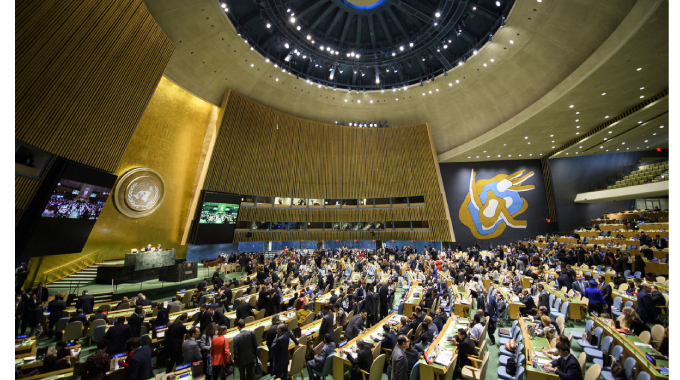
Ranga Mataire, Group Political Editor In a shameless show of puppetry, some opposition political activists and officials travelled to the United States during the 77th United Nations General Assembly (UNGA) to…

- Chronicle
- September 30, 2022
- 61 views
Umzingwane women bemoan rising cases of alcohol and substance abuse
From Sifelani Tsiko in Umzingwane Heavy drinking and substance abuse by artisinal miners is exposing women in Umzingwane Rural District to regular physical and verbal violence in public spaces. Women,…

malvernmugadzikwa
- businessweekly
- September 30, 2022
- 109 views
Venture capital firms help start-ups succeed
Dr Keen Mhlanga A venture capital company gathers contributions from Limited Partners (LPs) into a fund and then distributes those assets across several early-stage enterprises. The most difficult aspect of…

- businessweekly
- September 30, 2022
- 74 views
‘Laughter helps us survive’
Laughter is the best medicine, and a study reveals that it’s a way to cope with life, a form of survival. Although there have been theories based on what makes…

- businessweekly
- September 30, 2022
- 75 views
Tourism sector on the rebound
Michael Tome Local players in the tourism and hospitality industry say they expect a much accelerated rebound of the sector to pre — Covid 19 pandemic levels as tourist arrivals…
- businessweekly
- September 30, 2022
- 74 views
ZSE: The big market rally out of nowhere
Nobody expected it. I certainly didn’t. At least not anytime soon. The big stock market rally came from nowhere! Just two weeks ago, those who had been buying the dip…
 admin
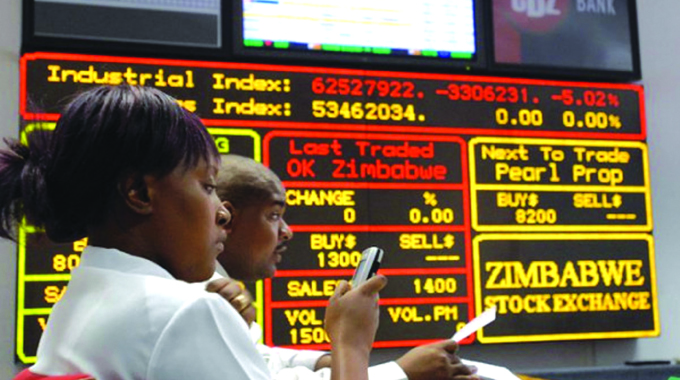
adminZSE equities rebound as big cap counters lead bulls charge
Enacy Mapakame Business Reporter Zimbabwe Stock Exchange (ZSE) equities rebounded during the week to Wednesday as bulls charged led by big cap counters with the primary indicator, the ZSE All…
NTS restocks for busy season
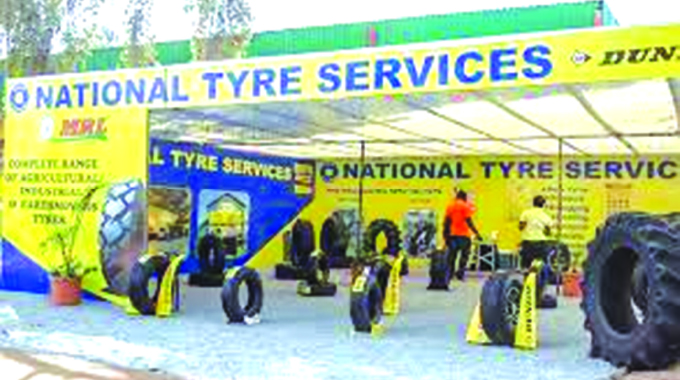
Business Reporter National Tyre Services (NTS) says it is working on a restocking programme ahead of the forthcoming busy summer cropping season, after the firm received a US dollar facility…

- businessweekly
- September 30, 2022
- 148 views
New 3.0 CSL most expensive BMW ever?
Munich. — Rear-wheel drive. Manual transmission. More than 400kW. These are just some of the things you can expect from the new BMW 3.0 CSL, at least if the latest…

- businessweekly
- September 30, 2022
- 83 views
Managing interest rate hikes
The governor of the South African Reserve Bank recently announced an increase in the lending rate by 75 basis points. This means the repo rate (the rate at which the…