Zimpapers Politics Hub
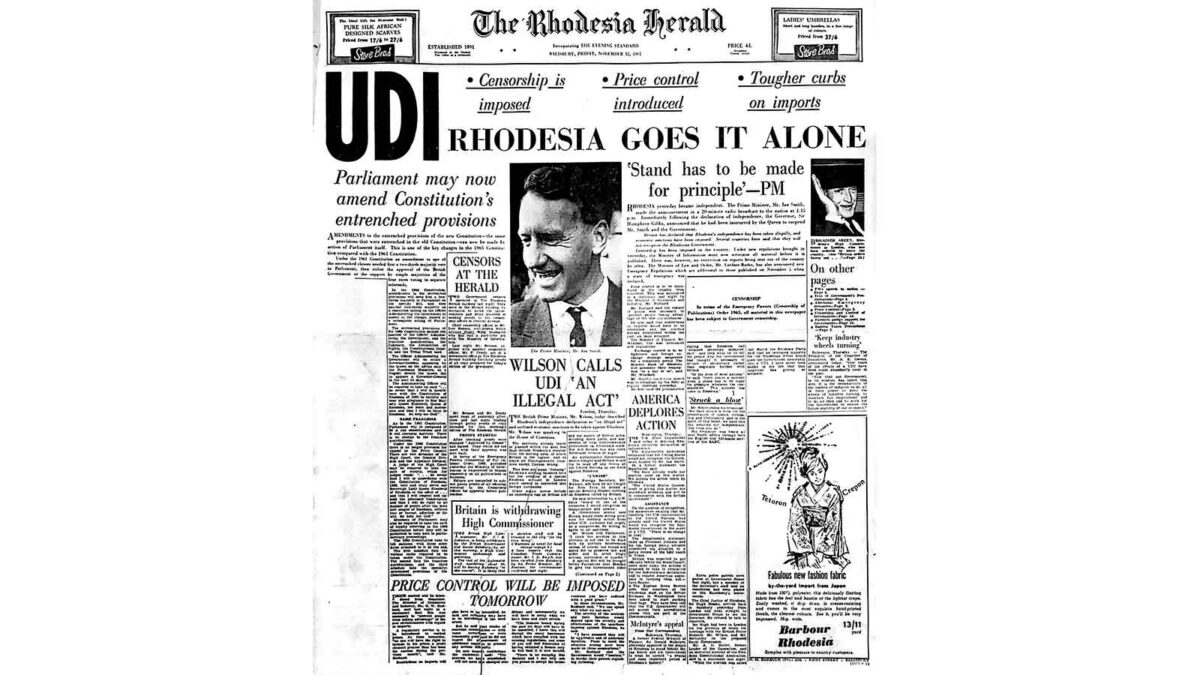
On 11 November 1965 in Rhodesia, a white minority government did something no other colony had dared to do.
Rhodesian Prime Minister Ian Smith announced a Unilateral Declaration of Independence (UDI) — independence without freedom for the black majority.
Britain said NO. The United Nations said NO. Africa said NO.
But Smith did it anyway.
What happened before UDI?
Britain said we could only have independence if the Smith regime agreed to majority rule. Eventually, black Zimbabweans were supposed to be able to vote and govern.
But Smith’s Rhodesia Front government refused. It wanted to keep power in white hands forever.
Talks broke down. On 5 November 1965, Smith declared a state of emergency.
Six days later, he declared UDI.
What did the world do?
Britain called UDI illegal.
They imposed sanctions, cut sterling links, and seized assets.
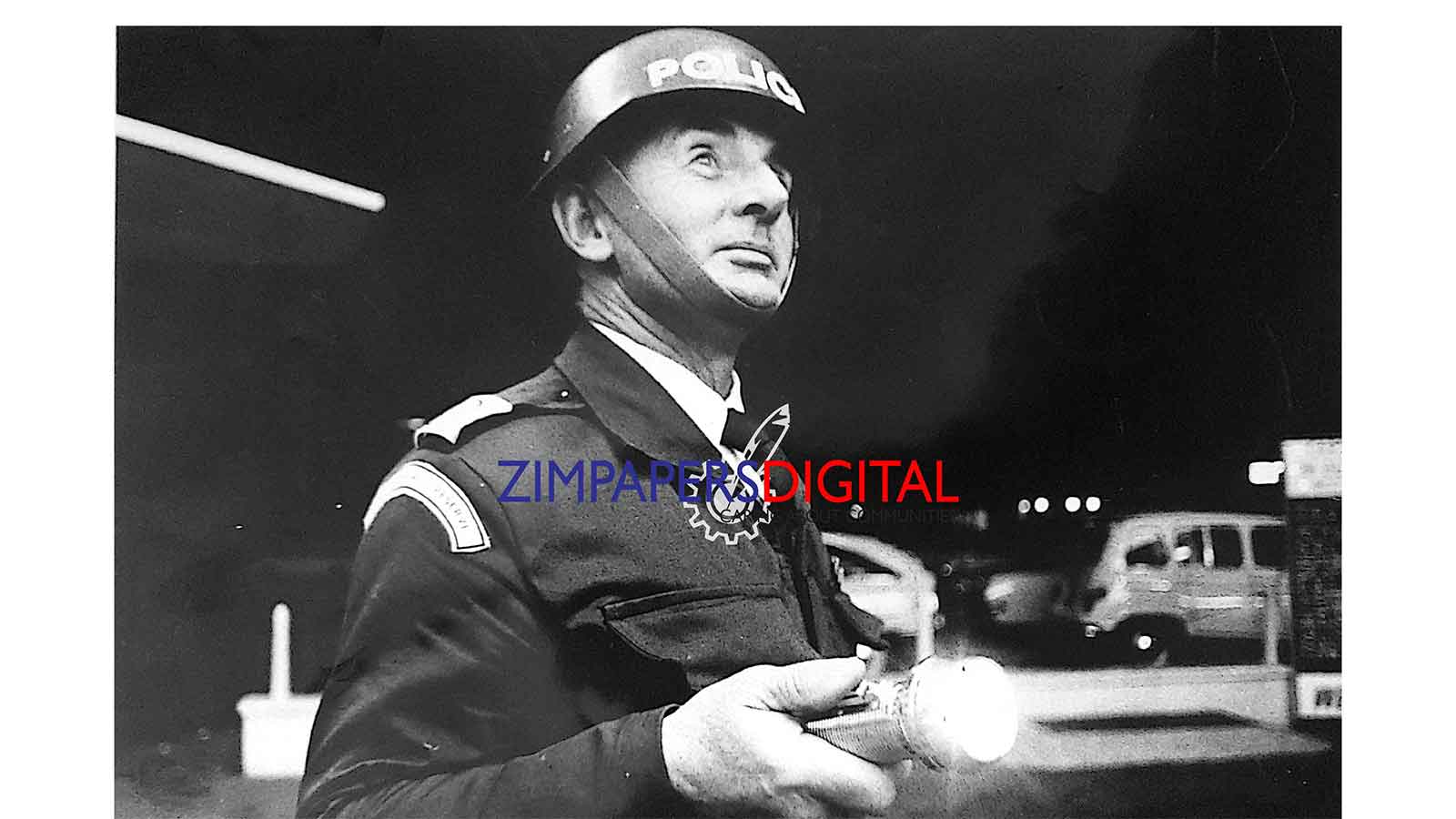
But Britain refused to use force.
In 1966, the United Nations imposed mandatory sanctions on Rhodesia — the first time in history the UN ever did that to any country. Sanctions were widened in 1968.
But sanctions leaked. Countries in Europe and America still secretly bought Rhodesia’s chromium and other minerals. The Smith regime survived and even balanced its budget by refusing to pay its British-guaranteed debts.
What did Zimbabweans do?
UDI changed everything. ZANU and ZAPU immediately condemned it.
Joshua Nkomo, detained at Gonakudzingwa, called it “an act of insanity.” Robert Mugabe and Ndabaningi Sithole were also in detention.
From prison, Sithole authorised exiled leaders — notably Herbert Chitepo in Zambia — to escalate the armed struggle.
That was the turning point.
Before UDI there were protests, strikes, petitions. After UDI, a full liberation war ensued. Zimbabweans took their case to the United Nations and the Organisation of African Unity (OAU), asking the world to isolate the illegal regime — while guerrillas took up arms at home.
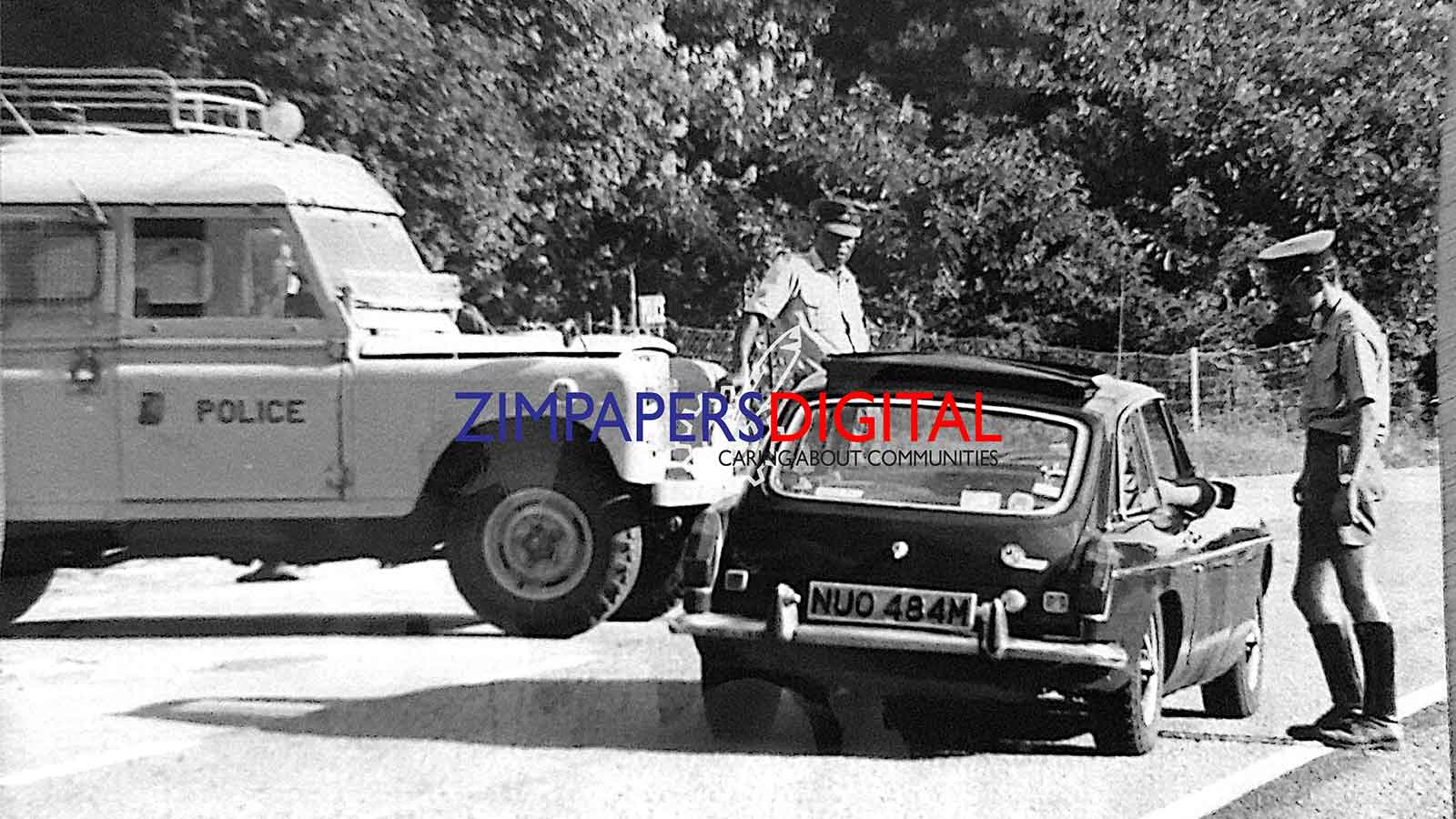
Why should we remember UDI today?
Because UDI teaches us three timeless lessons:
Freedom is never given; it is fought for. Zimbabweans had to free themselves.
Illegal power can survive if the world looks away. Sanctions failed because some countries put minerals and money above justice.
Unity was born from crisis. UDI forced ZANU and ZAPU, inside and outside prison, in exile and at home, to move from talking about freedom to fighting for it.
Sixty-one years later, UDI reminds every generation that Zimbabwe was not born in 1980 by accident. It was born because a minority tried to steal the future — and the majority refused to accept it.