Bruce Ndlovu and Mbulelo Mpofu
WHILE some of Bulawayo’s most recognisable sculptures stand as permanent reminders of a city shaped by creativity and craftsmanship, the apparent sidelining of visual arts at this year’s
Bulawayo Arts Awards (BAAs) has raised questions about whether the City of Kings is gradually turning its back on one of its cultural foundations.
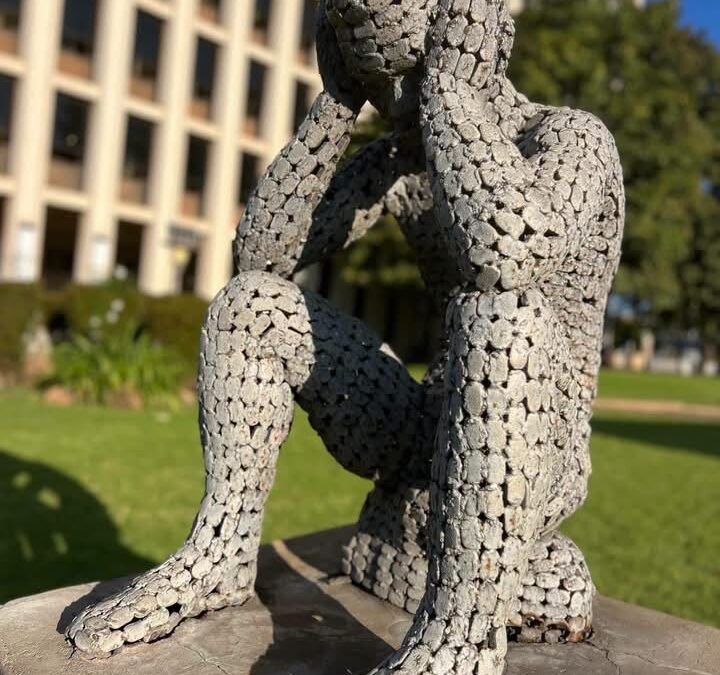
From the iconic Man at Work sculpture at Pioneer House to the Tired Man at the corner of Robert Mugabe Way and Leopold Takawira Avenue, near the Tower Block, visual art has long been woven into Bulawayo’s urban identity.
More than decorative features, these works reflect a tradition of artistic expression that has helped shape how the city presents itself to residents and visitors alike.
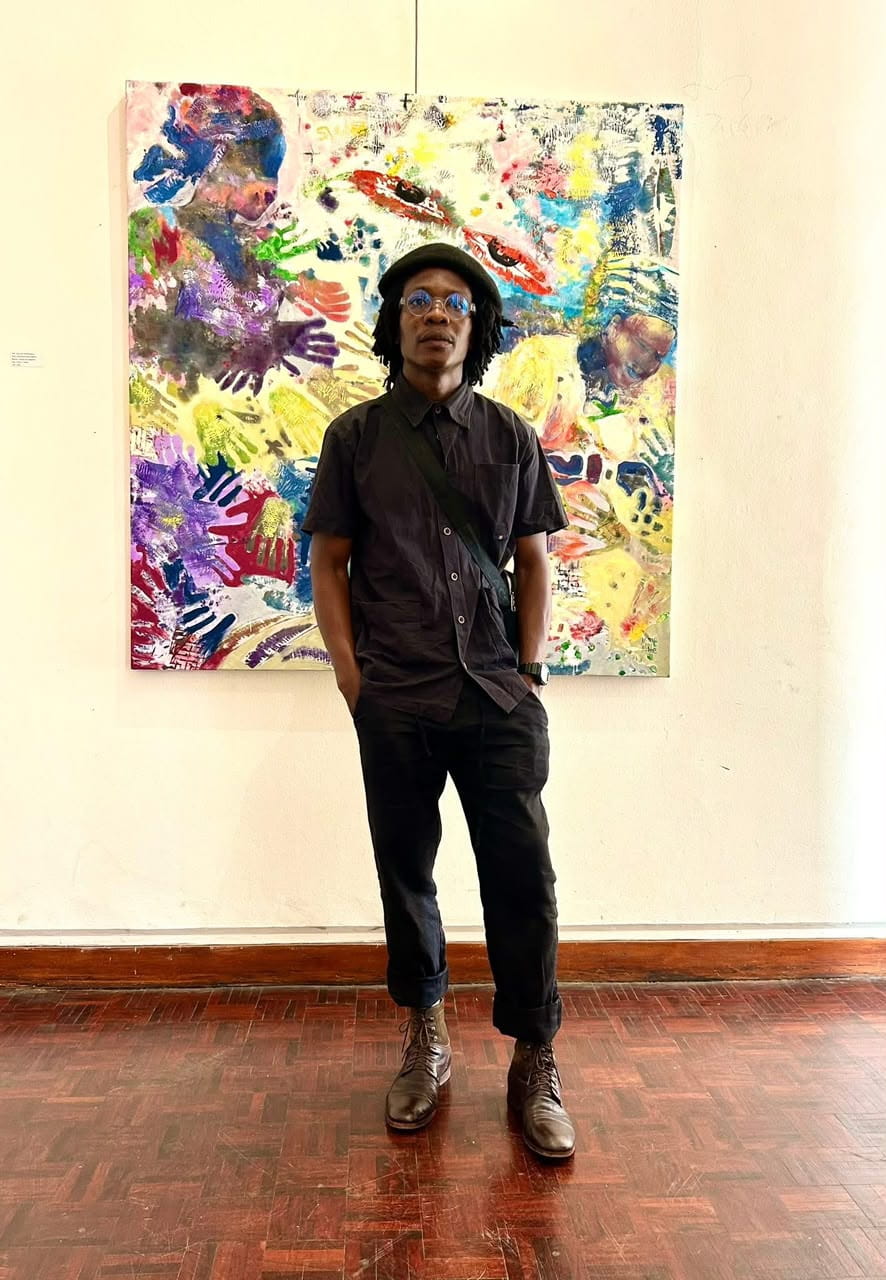
However, the absence of dedicated visual arts categories at this year’s BAAs has left painters, sculptors, illustrators, photographers, animators and digital artists questioning where they fit into a local awards platform designed to celebrate creative excellence.
The omission has drawn criticism from practitioners who believe that a city with such a visible artistic heritage should do more to recognise those who continue to sustain and develop that tradition.
Plumtree-based visual artist and animator Kadelwa Ndlovu was among those who raised concern, urging the awards organisers to reconsider their position and give visual arts the recognition it deserves.
While acknowledging the work involved in organising the awards and their contribution to promoting emerging talent, he argued that celebrating the arts should mean recognising all creative disciplines.
“I honestly find it disappointing that the Bulawayo Arts Awards have seemingly overlooked Visual Arts in their award categories. However, supporting the arts should mean supporting ALL forms of art, not just selected disciplines,” he wrote.
Ndlovu argued that visual arts should not be treated as an accessory to the creative economy, but as an independent discipline with its own professionals, institutions, economic contribution and cultural significance.
He said the omission also raised questions about Bulawayo’s ambitions to position itself as a creative hub when some of its practitioners remained largely invisible on platforms intended to celebrate the city’s artistic output.
“Are visual artists not artists? Does their contribution not count?” he asked.
“This is not about attacking the Bulawayo Arts Awards or dismissing the work that has gone into organising them. It is about demanding inclusivity, representation and fairness for every creative discipline,” he said.
Visual artist George Masarira, however, offered another perspective, suggesting that the absence of the category could also reflect limited engagement by practitioners themselves.
He said the specialised knowledge required to assess visual art made it important for awards organisers to involve institutions and professionals with an understanding of the discipline.
“I think for one to judge the visual arts properly, they need to have an intimate knowledge and understanding of it. So organisations like the National Gallery of Zimbabwe in Bulawayo should be involved in the process.
“As it is, there is a lot of disinterest in the process of nomination and BAA relies on artist submissions. You will find that there were not enough submissions from our artists.”
Masarira also called for a shift in perceptions about the commercial value of visual arts, arguing that the discipline should be recognised as a serious contributor to the creative economy.
He cited contemporary artist Portia Zvavahera, who recently achieved a personal auction record when her painting, This is where I travelled 3 (2020), sold for £307 200 (about US$406 200) at Christie’s in London.
“We need to know how people view the visual arts. Do they think of the visual arts as an important discipline that can contribute to the country’s GDP? Yet, despite all this, we know that the world over, the arts is serious business. It is a lucrative art form,” he said.
Creative consultant, poet, cinematographer and blogger Thuthukani Ndlovu also weighed in, describing the omission as embarrassing and disrespectful to practitioners.
“This is beyond embarrassing and disrespectful. Like, how do they come to an agreement to award artists, and leave out Visual Artists. It must be a prank or something,” he said.
Hope Nleya echoed calls for greater representation, arguing that the creative industry could not claim to celebrate artistic expression while excluding an entire discipline from its recognition platforms.
“I fully agree with the concerns raised. The arts industry cannot claim to celebrate creativity while leaving an entire creative discipline without representation. Visual artists are equally important contributors to our cultural identity, creative economy and storytelling as a nation.
“Visual artists are not asking for special treatment; they are asking for equal recognition. This is a conversation worth having, and hopefully the organisers will take these concerns constructively,” she said.
Responding to the concerns, BAA media officer Kudakwashe Takundwa acknowledged the importance of visual arts and said the organisers were open to engaging practitioners and other stakeholders on how the discipline could be represented in future editions.
Takundwa noted that visual arts had featured in previous editions of the awards, adding that there was scope to revisit the category and explore how it could be reintroduced sustainably.
“The Visual Arts category has been part of the awards before, and we believe there is an opportunity to revisit it and explore how best to bring it back in a meaningful and sustainable way,” he said.
“We acknowledge that this is an area that deserves further engagement, and we would love to see us start these conversations well ahead of the next awards season,” Takundwa said.