Raymond Jaravaza [email protected]
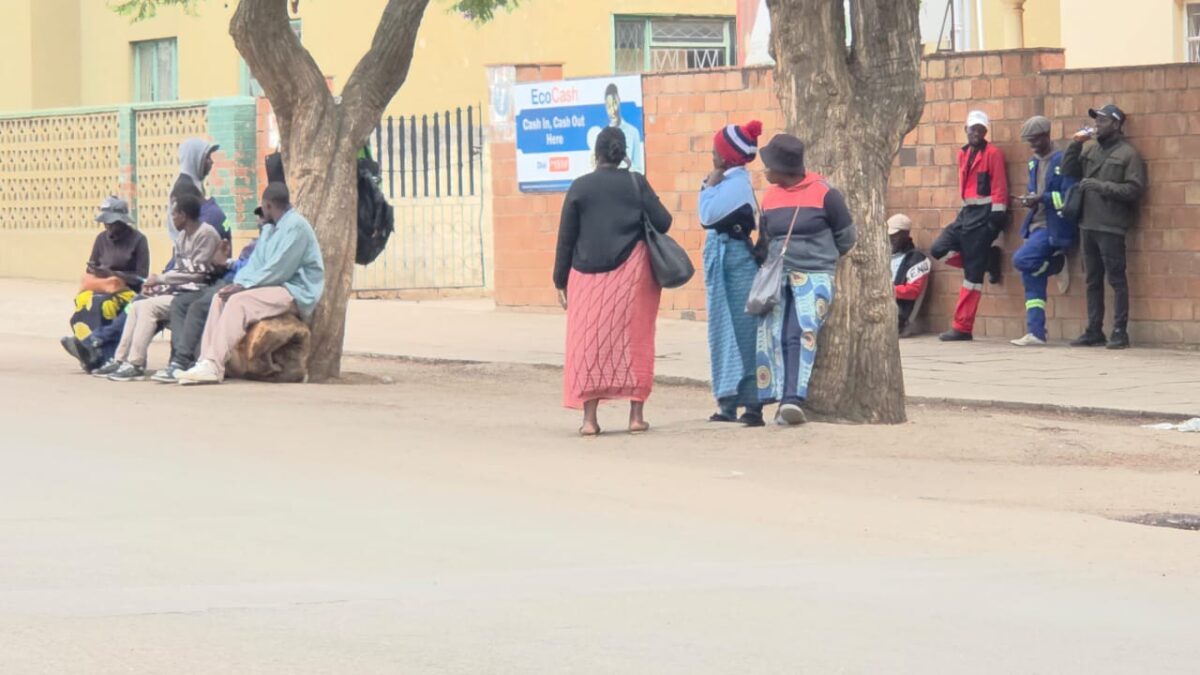
EVERY morning, as early as 7AM, men and women gather at the intersection of Robert Mugabe Way and Fourth Avenue in Bulawayo’s central business district, hoping that a passing motorist will offer them a day’s work.
Some arrive wrapped against the morning chill, while others endure the scorching summer heat or stand through the rain, waiting for an opportunity to earn a few dollars.
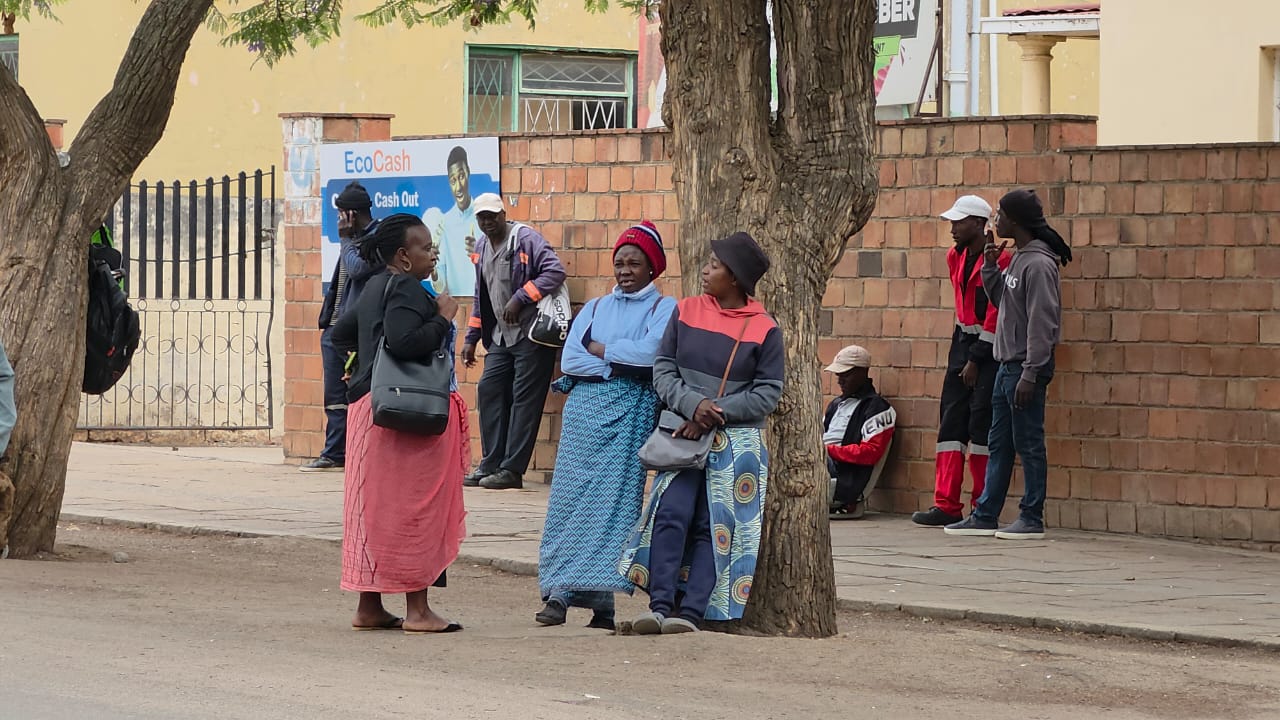
For them, the busy intersection is more than a meeting point. It is an informal employment market where cleaning, laundry, gardening, landscaping and construction-related jobs offer a lifeline to households struggling to make ends meet.
There are no employment contracts, guaranteed wages or assurances that work will be available the following day. Instead, prospective workers wait for vehicles to stop, approach motorists and negotiate payment for whatever job is on offer.
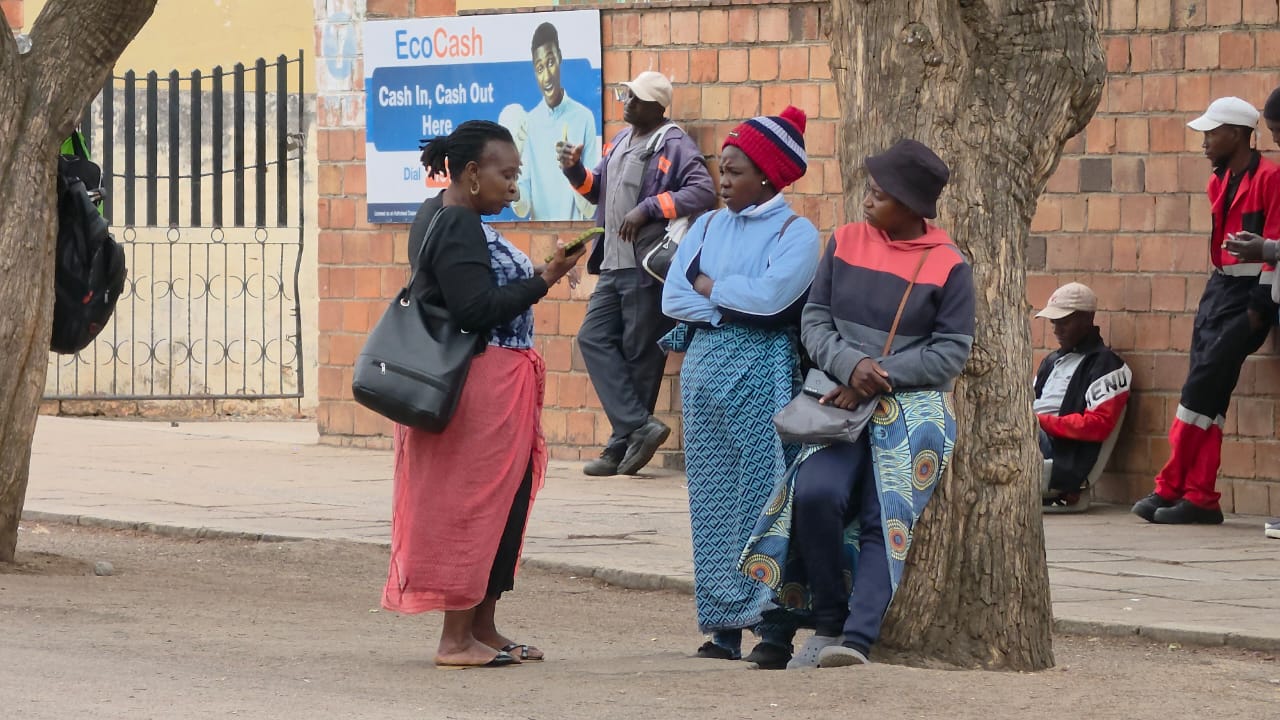
For 43-year-old Ms Nobuhle Mpilisi, the routine has become part of everyday life, with each morning bringing the uncertainty of whether she will return home with money.
The jobs are often divided along traditional gender lines, with women commonly taking up cleaning and laundry while men are offered physically demanding work such as clearing construction rubble, cutting down trees, pruning branches and gardening.
But the boundaries are not always rigid.
“Last week I, together with two women, joined a group of men after a homeowner in Suburbs asked us to clear the rubble and clean the house,” said Ms Mpilisi.
“The men took up the physically demanding job of loading the rubble left by the construction team into a truck while we cleaned the rooms. Of course we did earn the same money, but the home owner paid us handsomely.”
The work varies according to the needs of employers, meaning those gathered at the intersection never know what task they might be offered.
Some jobs last only a few hours, while others can stretch over several days, providing a little more certainty for those fortunate enough to secure them.
“Sometimes one can be lucky to get a temporary job that can be completed in several days, so you make arrangements with the employer to pick you up here every day or go straight to the job site. But not every day is guaranteed a job, sometimes we go for a whole week with no luck,” she said.
For a man only identified as Ndozi, the competition for the limited jobs has become increasingly difficult as more people join the growing queue of job seekers.
He said the rainy season brought opportunities for gardening, lawn mowing and cutting overgrown tree branches, but the availability of such work depended on seasonal conditions and household demand.
“The rainy season offers a lot of gardening jobs such as cutting down tree branches or mowing the lawn as grass and shrubs grow very quickly. Over the years, more and more people have been coming here in search of the temporary jobs, so the numbers are growing every day,” said Ndozi.
“The amount we charge varies from the type of job being offered, but there is always room for negotiations because if you charge too much, the next person will take the same job for far less,”
Ms Tarisai Chinembiri, a mother of two who travelled from Masvingo, said the intersection has become an important source of income for her family.
She said the money earned from cleaning and laundry jobs helps meet household needs, even though securing work is never guaranteed.
“We always come here in the morning looking for menial jobs. This avenue is our lifeline. We know this life. Motorists and other prospective employers come here and we charge them per day,” said Ms Chinembiri.
“We charge between US$10 and US$20 per day depending on the job, be it cleaning or doing laundry. This is the money we use to take care of our families. Menial work is better than sitting at home because no one will give you that money.”
Mr Tonderai Nyamhunga, who travelled from Marondera in search of better opportunities, said the daily wait is part of a wider struggle to provide for his family in an economy where formal employment opportunities are difficult to secure.
He said limited educational qualifications had made it harder for him to access formal employment, leaving him dependent on piecework.
“I left my rural home to fend for my family. It is not every day that we get these jobs, but there is nothing we can do since formal employment is hard to come by,” said Mr Nyamhunga.
“Life is tough out there, but we depend on the little money we get here. When a vehicle stops by, we jostle to sell ourselves to potential employers. We do various duties, including washing and landscaping, as long as the client is willing to pay.”
Mr Nyamhunga said he comes with his wife.
“We then go our separate ways depending on where one gets a job, and we reunite in the evening,” he said.