Online Reporter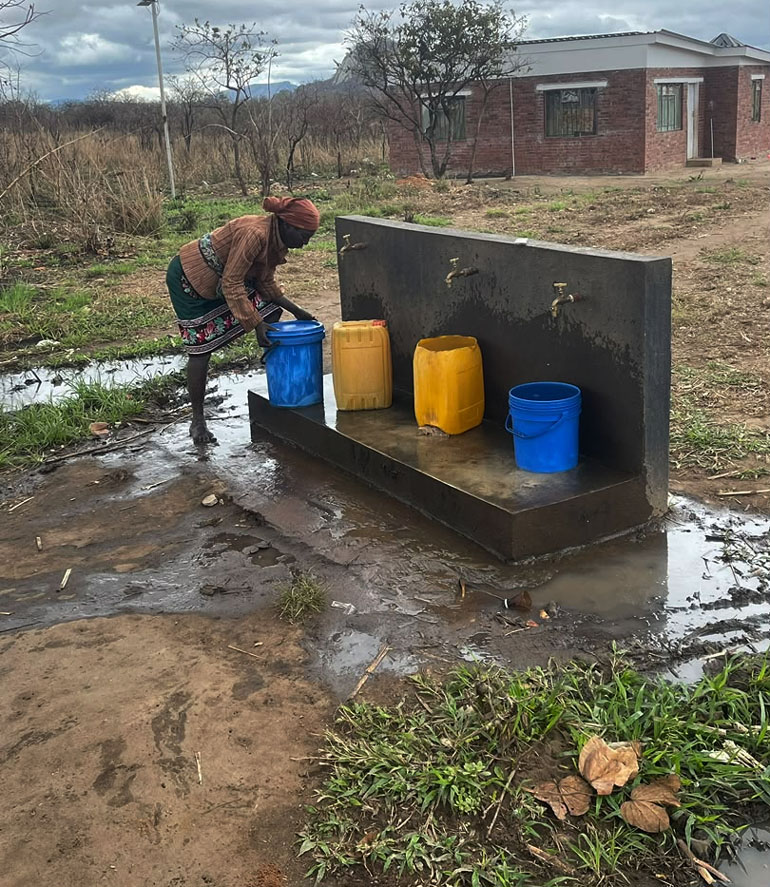
Lloyd Makonya
Correspondent
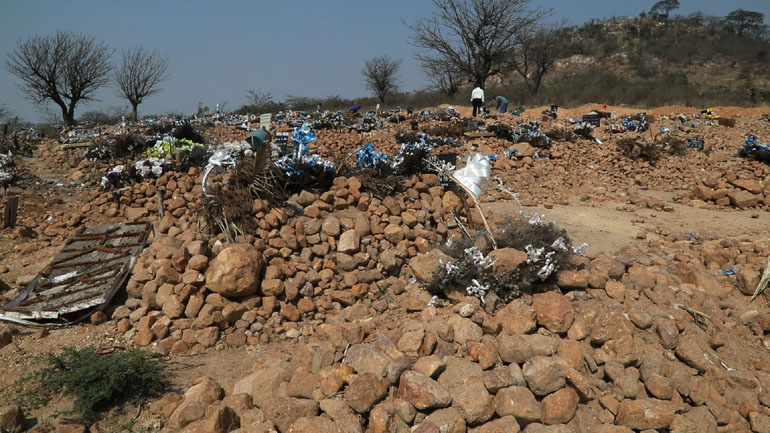
AT Chimoio Shrines, where Zimbabwe’s liberation struggle left an enduring mark on the Mozambican soil, a simple solar-powered water project is giving a new generation a reason to experience the bond between the two countries.
For years, communities living around this historic liberation shrine struggled to access clean and reliable water.
Some relied on shallow and potentially unsafe water sources, while others had to walk considerable distances in search of water.
Today, a solar-powered borehole and reticulated water system have changed that reality.
The taps at the shrine now provide the surrounding community with access to clean water throughout the day, turning what might appear to be a modest infrastructure project into something much larger, a living expression of the enduring bond between Zimbabwe and Mozambique.
This is the same land that once provided sanctuary to Zimbabwean nationalists during the liberation struggle.
It was here that thousands of Zimbabweans lived, trained, organised and prepared for the struggle against colonial rule. And it was here, on November 23, 1977, that Rhodesian forces launched the devastating attack on Chimoio, killing large numbers of Zimbabwean liberation fighters and civilians.
Chimoio is therefore not simply a monument. It is a physical reminder of a relationship forged under extraordinarily difficult circumstances.
Mozambique was not merely a distant observer of Zimbabwe’s liberation struggle. Its people lived with the consequences of supporting a neighbouring liberation movement while confronting their own security and economic challenges.
The attacks on places such as Chimoio and Nyadzonia demonstrated the dangers that accompanied Mozambique’s decision to provide sanctuary to Zimbabwean nationalists. That history explains why the relationship between the two countries has always been deeper than conventional diplomatic relations.
It is a relationship forged in sacrifice. It is a relationship written into the soil. Today, that relationship is increasingly being expressed not only through political declarations and commemorations, but through practical interventions that touch ordinary people’s lives.
The Government has undertaken improvements at the historic site, including modern ablution facilities, accommodation for site staff, shelter for visitors and solar power infrastructure.
A 6kVA solar system was installed to support the borehole, staff houses and lighting at the shrine. Perhaps the most meaningful improvement is the one that reaches beyond the shrine’s gates, water.
For a community, access to clean water is not merely an infrastructure statistic. It means fewer kilometres walked in search of water. It means less dependence on unsafe sources.
The legacy of a historical relationship is being translated into a tangible benefit for people living around one of the most important sites of Zimbabwe’s liberation history. There is something deeply symbolic about that.
During the liberation struggle, Mozambique opened its doors to Zimbabweans in need. Today, Zimbabwe is contributing to the wellbeing of communities around a place where that history unfolded. The old solidarity was about survival.
The new solidarity is increasingly about development.