Muchaneta Chimuka
Herald Reporter
AFRICAN countries must use the 31st United Nations Climate Change Conference (COP31) to demand tangible climate action and financial support for communities bearing the brunt of global warming, a regional climate advocate has urged.
Running from November 9 to 20 in Antalya, Türkiye, the summit brings together global leaders to negotiate responses to escalating climate threats.
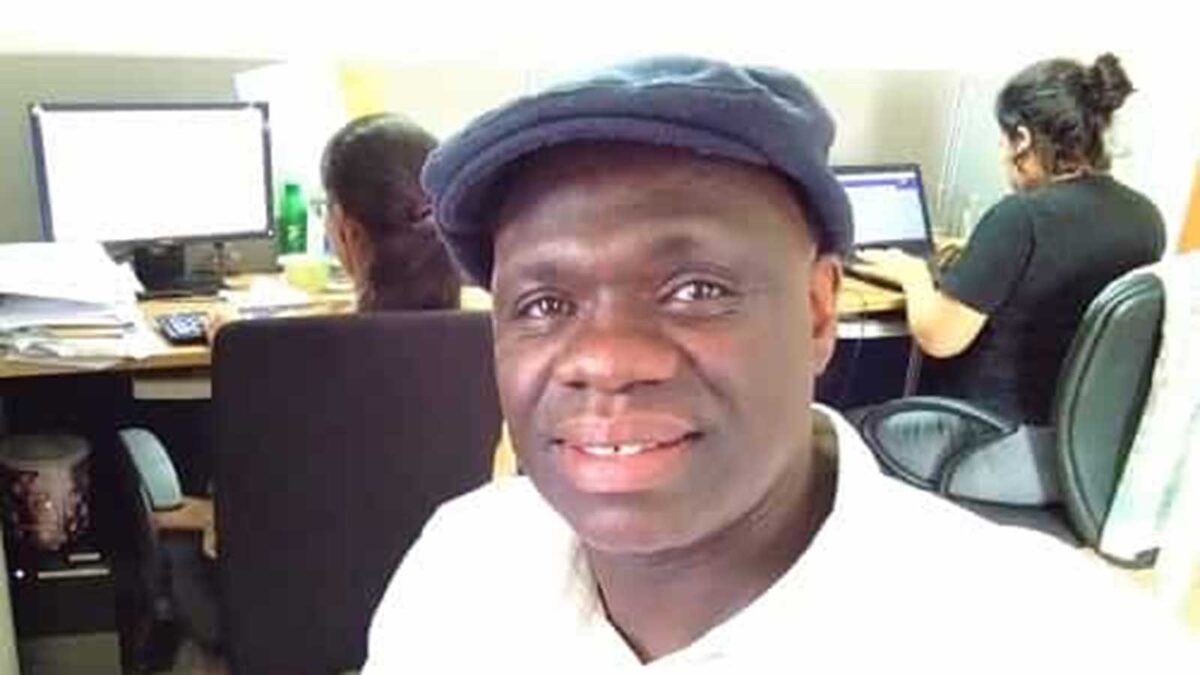
Southern Africa Region Climate Action Network (SARCAN) coordinator Mr Shepard Zvigadza, who is attending the talks, stressed that while Africa contributes minimally to global greenhouse gas emissions, its people face severe climate-related devastation.
“Africa contributes relatively little to global greenhouse gas emissions, yet its people are among those most exposed to the impacts of climate change,” he said.
“Prolonged droughts, devastating floods, rising temperatures, food insecurity and water shortages are already disrupting livelihoods, weakening economies and placing additional pressure on vulnerable communities.
“In Southern Africa, these impacts are particularly visible in agriculture, energy security, water availability, biodiversity and rural livelihoods. For millions of people, climate change is not a distant environmental concern. It is a daily struggle affecting food on the table, access to water, employment and economic security.”
Mr Zvigadza argued that COP31’s success must be judged by real progress on the ground rather than the volume of declarations signed. He called for grant-based climate finance, robust adaptation funding and an accessible Fund for Responding to Loss and Damage so vulnerable nations do not sink deeper into debt.
“African countries need adequate, predictable and accessible climate finance, particularly grants rather than loans that deepen existing debt burdens,” he said.
“Those most responsible for the climate crisis must honour their financial obligations and support developing countries to respond to its impacts. We need stronger adaptation and resilience measures. Adaptation must receive the attention and resources it deserves.
“African communities need investment in climate-resilient agriculture, water systems, early warning systems, infrastructure, and locally led adaptation initiatives. Communities on the front lines must have a meaningful say in deciding how resources are used.”
Turning to clean energy, Mr Zvigadza insisted that Africa’s green transition must create local jobs, expand power access and avoid repeating historical patterns of resource exploitation.
“It must not reproduce old patterns of exploitation through the extraction of critical minerals and other natural resources without fair benefits for local communities,” he said.
“Climate action cannot be separated from the wider economic challenges facing African countries. Debt distress, unfair international financial arrangements and unequal trade relationships constrain the ability of governments to invest in climate resilience and sustainable development. Climate finance must therefore be connected to broader demands for economic justice, fair taxation and reparative justice.”
He added that SARCAN is using the summit to strengthen regional solidarity and ensure marginalised groups—including women, youths, small-scale farmers and Indigenous Peoples—actively shape decisions rather than being sidelined to peripheral events.
“SARCAN believes that Southern African countries must approach global climate negotiations with stronger coordination and a shared understanding of their development priorities,” he said.
“The region must be able to articulate its interests on climate finance, adaptation, loss and damage, just transitions, human rights and economic justice.”
Mr Zvigadza concluded that COP31 must mark a decisive shift from empty pledges to implementation, backed by sustained regional accountability long after the Antalya talks end.