Gibson Mhaka in Moscow, RUSSIA
AFRICAN media experts have called for greater collaboration among news organisations across the continent to promote unity, challenge negative stereotypes and ensure more balanced coverage of Africa’s diverse societies.
The call was made during a discussion titled “Africa Must Unite — Africa Is Not a Country: How Can Media Bring Together Diverse Parts of the Continent?” held on the sidelines of the ongoing Russia-Africa Summit in Moscow on Monday.
The discussion, hosted by RT International (Russia Today) television news presenter Rory Suchet, brought together media practitioners from across Africa, who underscored the need for newsrooms to prioritise local stories, overcome language barriers and develop narratives that accurately reflect the continent’s diversity and realities.
Namibian media expert Peter Denk said international coverage of Africa remained largely dominated by reports on conflict, poverty, disease and political instability, often overlooking positive developments and the everyday experiences of ordinary people.
“There was also no reflection on the ordinary person in the street,” Denk said, referring to a 2024 study by Africa No Filter and the University of Cape Town examining how international media organisations cover the continent.
He said African media organisations needed to work together to showcase the continent’s diversity and ensure that progress made by individual countries received greater international attention.
“Just from our panel here, it’s so diverse from North Africa up to Southern Africa. That diversity is so rich, and we should be able to harness and harvest that,” he said.
Denk cited Namibia’s independence in 1990 and its subsequent peaceful political transition as examples of developments that deserved greater coverage, arguing that such stories could help counter one-dimensional portrayals of Africa.
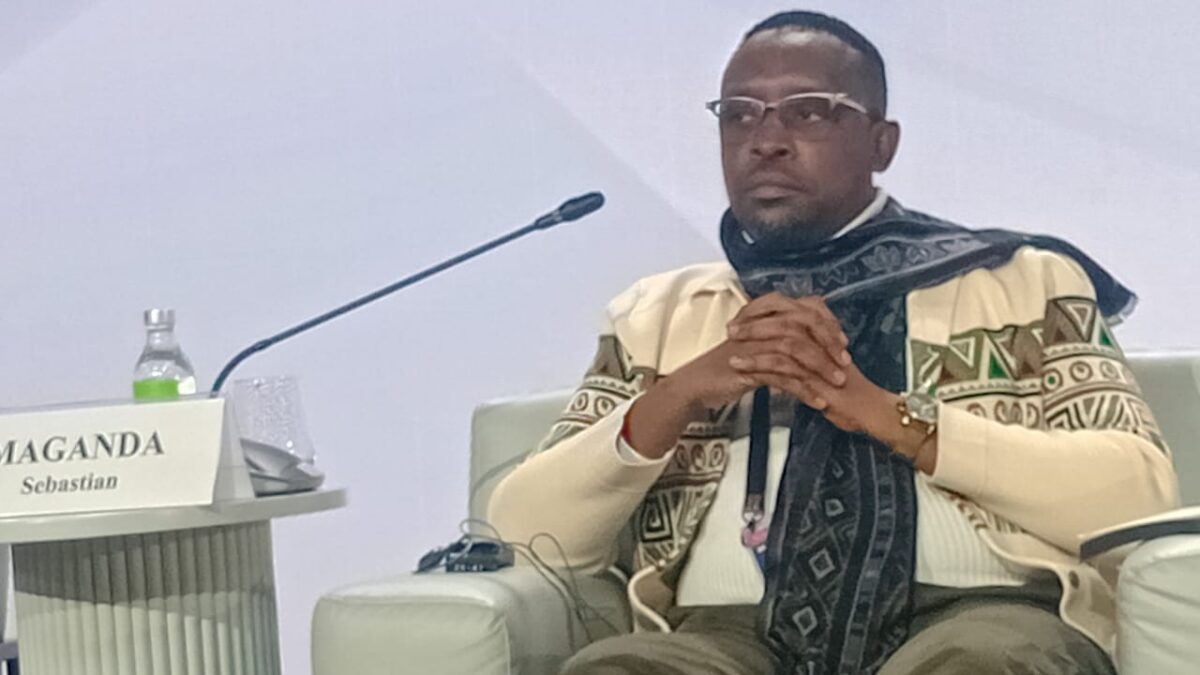
Tanzania-based media practitioner Sebastian Maganda said continental unity required African countries to recognise that challenges and opportunities in one nation could have implications for the rest of the continent.
Drawing on the philosophy of Tanzania’s founding president, Julius Nyerere, Maganda said Africans should regard challenges and opportunities across the continent as shared responsibilities.
“If it’s an African challenge, it has to do with you. If it’s an African opportunity, it’s the same thing,” he said.
Maganda identified language differences as one of the major obstacles to media cooperation, given Africa’s diverse linguistic and cultural backgrounds.
He said news organisations needed to build partnerships gradually, developing content that remained relevant to local audiences while enabling stories to reach people in other African countries.
Kenyan panellist Agnes Nguna said efforts to foster continental unity through journalism should begin with communities and the issues affecting their daily lives.
“For us, we just don’t start with unity, we start with local stories,” she said.
“Unity is what happens when you tell enough local stories well enough so that people start recognising themselves in it.”
Nguna said reporting in languages understood by audiences was essential to building trust and ensuring that communities could relate to stories about wider African developments.
The discussion also carries implications for Zimbabwean media, particularly in strengthening regional coverage and fostering partnerships with news organisations across the continent.
Zimbabwean newsrooms could broaden their coverage of cross-border trade, agriculture, cultural exchanges and regional economic cooperation, demonstrating how developments in other African countries affect local communities.
The panellists’ contributions highlighted the importance of moving beyond isolated, country-specific coverage towards collaborative journalism that connects local experiences with broader continental issues.
They stressed that accurate reporting, inclusive storytelling and greater cooperation among African news organisations were essential to helping audiences appreciate the continent’s diversity while recognising its shared interests.