Online Reporter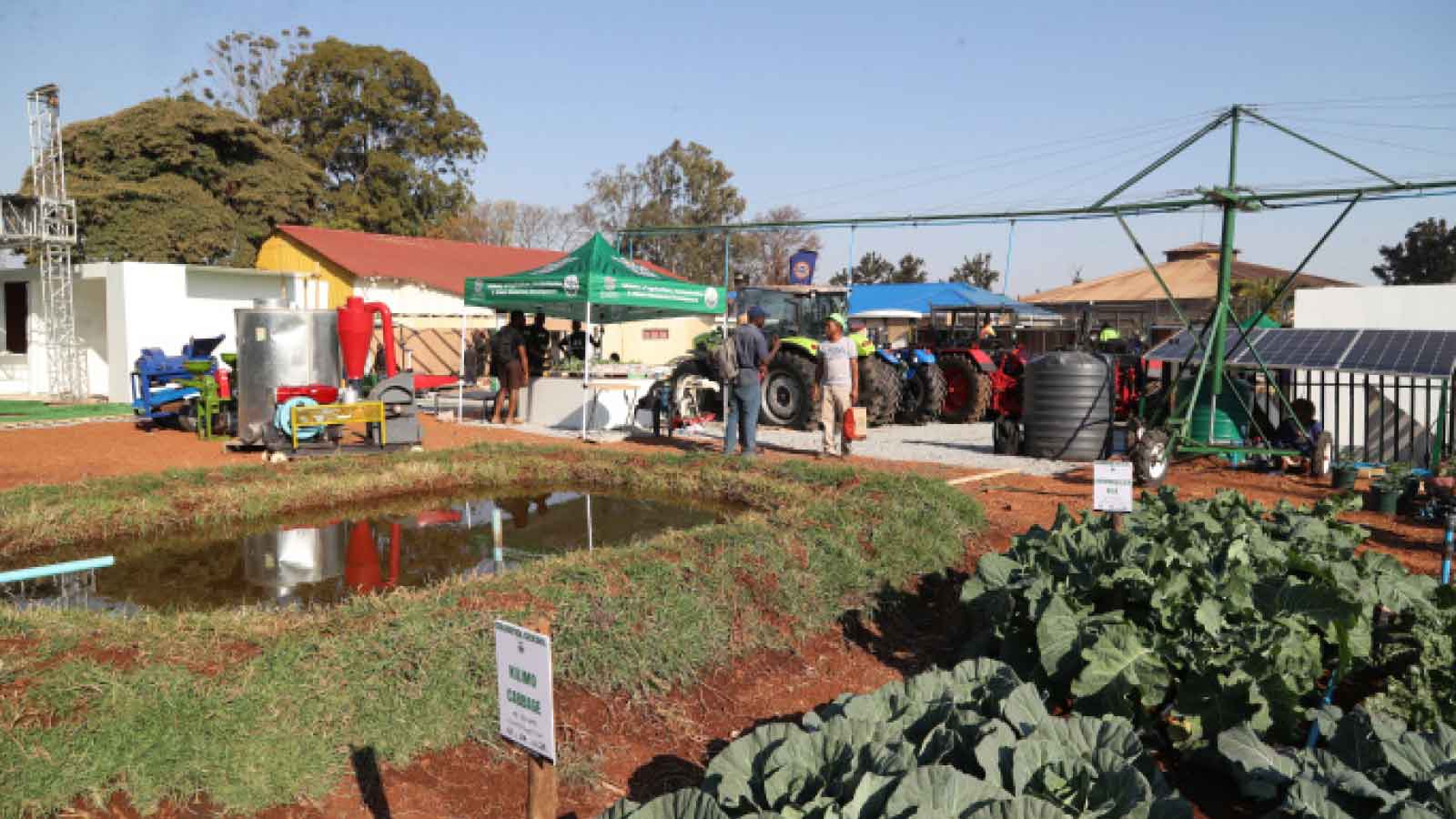
Obert Chifamba
Agri-Insight
THE 116th Zimbabwe Agricultural Show got underway in Harare on Monday. For the entire week, the showgrounds will be more than just exhibition tents and livestock pens.
And given that this is Zimbabwe’s premier agricultural platform, the big question is not whether the show will be big, but whether it will be valuable to the congregating players.
It has to be valuable in a way that changes a smallholder’s yields, improves the commercial farmer’s market access and gives agro-industry and corporates a clear return on their investment.
After years of economic pressure, climate shocks, and policy shifts, farmers can be easily forgiven for seeking answers to these tough questions — “What will I take home — a pamphlet, or a deal, new contacts or new income?”
The same goes for seed houses, banks, input suppliers and food processors. They need to realise value of investment in whatever they do at the event.
It is exciting to note that the country has since taken a new approach to farming in which everything the farmer do should generate some kind of revenue. Farming is a full time business and smallholder farmers, the bulk of whom used to produce for subsistence only, now need to shift from watching on the side lines to running their own businesses. Incidentally, they make up more than 70 percent of Zimbabwe’s farmers.
In the not-too-distant past, most smallholder farmers felt like spectators at this show and would come, walk and leave at the end of the day. As it stands now, the biggest value of the show for a smallholder is a buyer. Not a promise, but a contract.
The show should host structured buyer-seller meetings with millers, abattoirs, exporters, and agro-processors setting up “procurement desks” with published buying requirements, prices, and volumes.
If a seed company, for example, is promoting drought-tolerant maize, they should also link farmers to the grain buyer who will take that maize in four months.
If a livestock body is pushing disease-free zones, they should register farmers into traceability systems on the spot. ZAS should become the place where a farmer from Marondera walks out with an offtake agreement for 10 tonnes of soya beans, not just a cap.
On the technological front, smallholder farmers need implements they can afford and use. They do not need a US$200 000 combine harvester, but affordable mechanisation, solar irrigation kits, soil testing, and climate-smart seed.
The show must prioritise demos over displays. Farmers must see a two-wheel tractor at work. Let them calculate repayment on a solar pump with an agronomist and a banker sitting together.
Climate-smart practices should be practical — conservation agriculture, fodder banks, small dams, and post-harvest handling to cut the 30 percent losses many face. Every input company should leave with a list of farmers trained on their product.
One important observation is that most smallholders are locked out by finance institutions. The ongoing show should, therefore, present banks and MFIs to offer on-site loan pre-approvals, using group guarantees or contract farming agreements signed at the show.
Insurance companies on the one hand should sell weather-index products that a farmer can understand in five minutes. Information matters too. The policy dialogue platforms must be translated and simplified. This ongoing show is that platform on which farmers should have ready access to service providers and get the information they do not readily access on any other day.
This is also an opportunity for ZAS to rope in extension staff to help simplify technical jargon for farmers.
The extension staff engaged must strive to explain technical information in local languages for the benefit of those farmers not conversant with English, which is predominantly used as the language of instruction for most products.
It is a fact that if a smallholder leaves ZAS with one new buyer for his product, one new finance contact and one practice that will raise his yields by 20 percent, then the show has worked.
The long and short of my argument is that farmers are always under a lot of pressure to achieve many things all at once. Input costs are high, export markets are not readily accessible and climate risk is rising – and they have to play the balancing act and salvage some yields.
The agricultural show should at least help the situation by relieving them of part of this pressure. For them, ZAS must be a boardroom, not just a showroom. It should provide that usually-elusive chance to interface with policy makers, inputs suppliers and other service providers.
The show should be the launch pad for export-ready products with the agro-industry using it to showcase traceability, cold chain, and compliance. Commercial farmers need to meet the logistics firms, certification bodies, and buyers from the region who attend and deals for macadamia, citrus, beef and dairy should be signed or at least initiated here.
This is also the opportunity for corporate exhibitors to offer pilot programmes to farmers, for instance, the topical push to develop and power irrigation using solar energy. Corporate exhibitors must display solar gadgets, biogas, and alternative power solutions to convince farmers, especially the commercial group that they can cut diesel bills and keep cold rooms running by using solar energy.
The show must give birth to synergies and collaborations among stakeholders. Fertiliser companies can partner with a soil lab and financiers while seed houses can partner with off takers.
Machinery dealers can partner with training centres that will give tutorials to farmers on use of the implements. This is a sure way of making farmer successful and creating customers for a long time.
Logically, the company that helps a farmer make money this season is guaranteed of getting business from same farmer the following season too.
The astute exhibitor can also take advantage of the show to run free clinics in important production areas such as soil sampling, animal health, financial literacy, and export compliance.
For those corporates with agronomists, this would be the perfect moment to have them giving farmers free tuition thereby building trust among the farmers and creating demand for their services.
The farmer who learns about moisture metres from a grain buyer is more likely to deliver quality grain the next time he produces grain for the market.
One other important matter is on raw exports. Zimbabwe cannot export raw products forever. Events like the agricultural show should give farmers the urge to produce, value add, then sell either locally or externally. Agro-processors attending the show must also announce new contracts, new plants, and new products.
It is from the show that farmers can appreciate where the markets are going. If there is demand for high-protein stock feed or dehydrated vegetables, agro-processors need to tell farmers so they can plan for it.