Online Reporter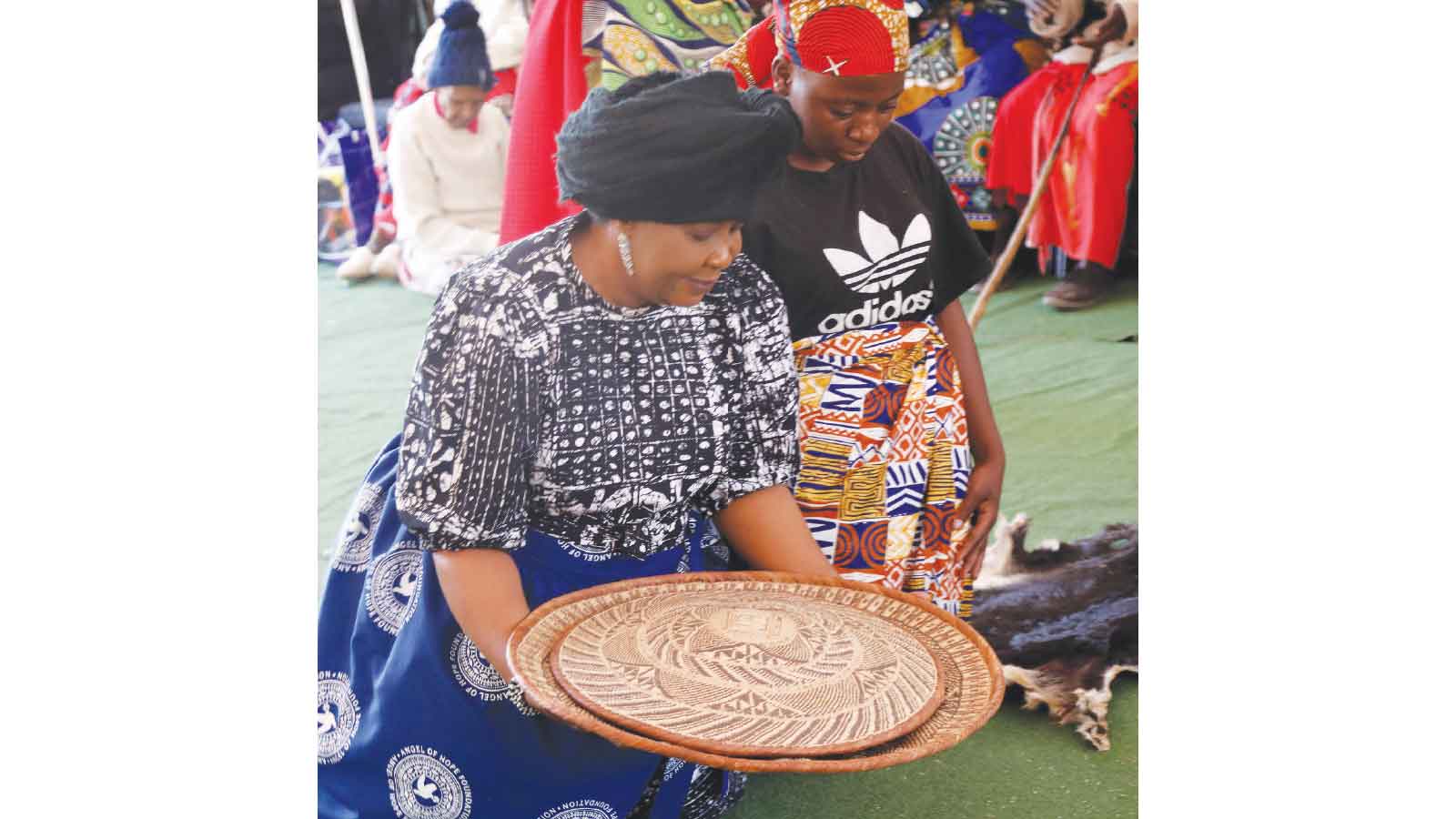
Blessings Chidakwa
Senior Reporter
AS the mighty Zambezi flowed gently through Binga, carrying with it centuries of BaTonga history and tradition, another remarkable chapter unfolded along its banks.
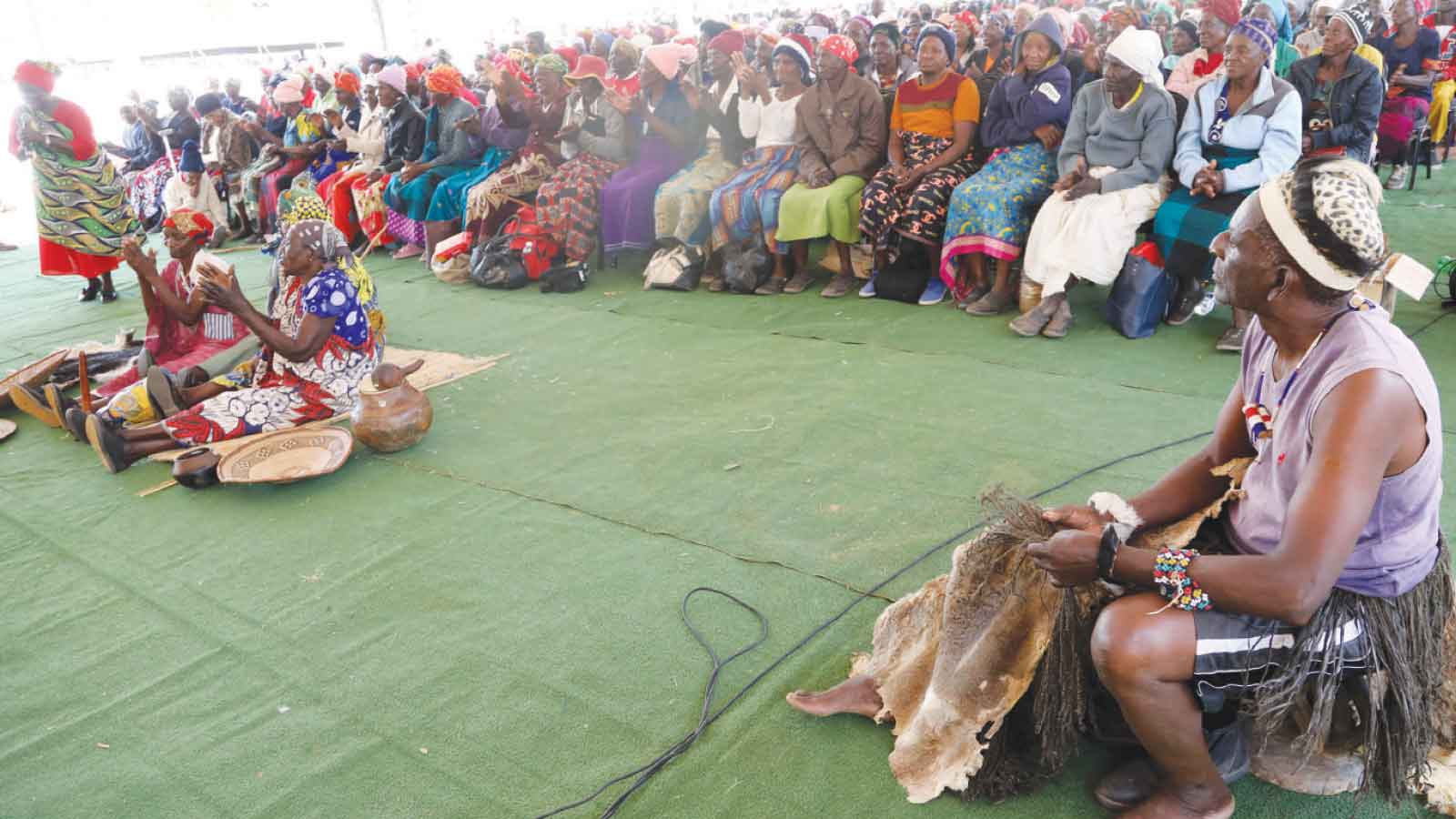
Freedom Square became a vibrant mosaic of colour as multitudes of women, their heads adorned with brightly coloured doeks and matching zambias, converged from every corner of Matabeleland North to welcome First Lady Dr Auxillia Mnangagwa for the provincial launch of her flagship Doek and zambia Drive on Wednesday.
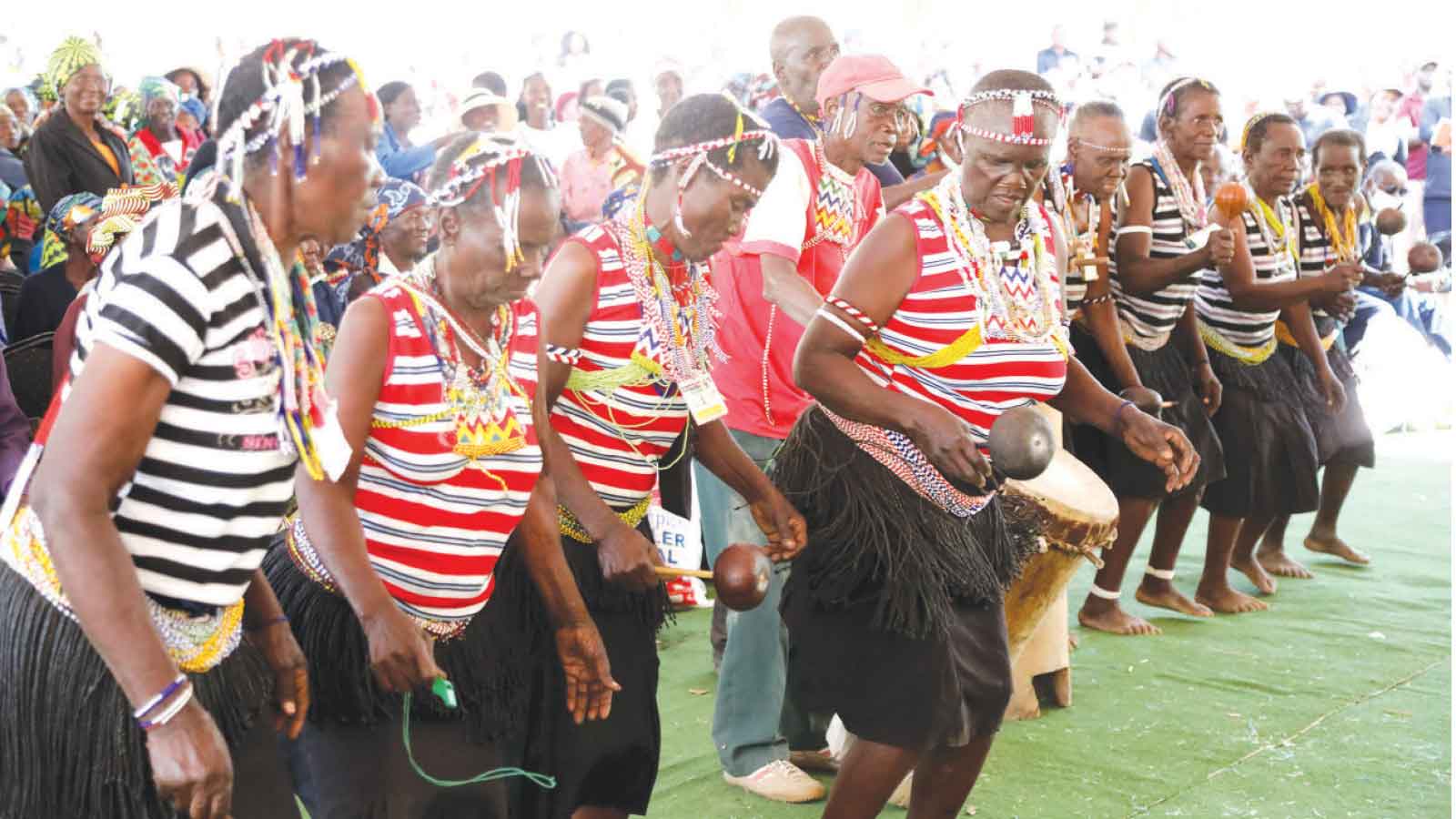
The rhythmic beat of traditional Tonga drums, accompanied by piercing ululations and melodious songs, filled the morning air, transforming the usually tranquil lakeside district into a grand celebration of culture, identity and womanhood.
Young girls, mothers and grandmothers danced side by side, proudly showcasing traditions handed down through generations and reminding the nation that, for the BaTonga people, culture is not merely remembered; it is lived.
The excitement reached fever pitch when Dr Mnangagwa arrived. Women waved their doeks high into the air, breaking into spontaneous song and dance as they affectionately welcomed “Mother Zimbabwe”, who travels the length and breadth of the country, leaving no one and no place behind.
What began as a provincial launch soon evolved into a living celebration of Zimbabwe’s rich cultural diversity, with the BaTonga proudly opening a window into their heritage while embracing the First Lady’s call to preserve the values, dignity and traditions that define the nation.
Proceedings began with captivating displays of Tonga culture led by Intembawuzyo Arts Production as community members proudly showcased traditions that have withstood the test of time.
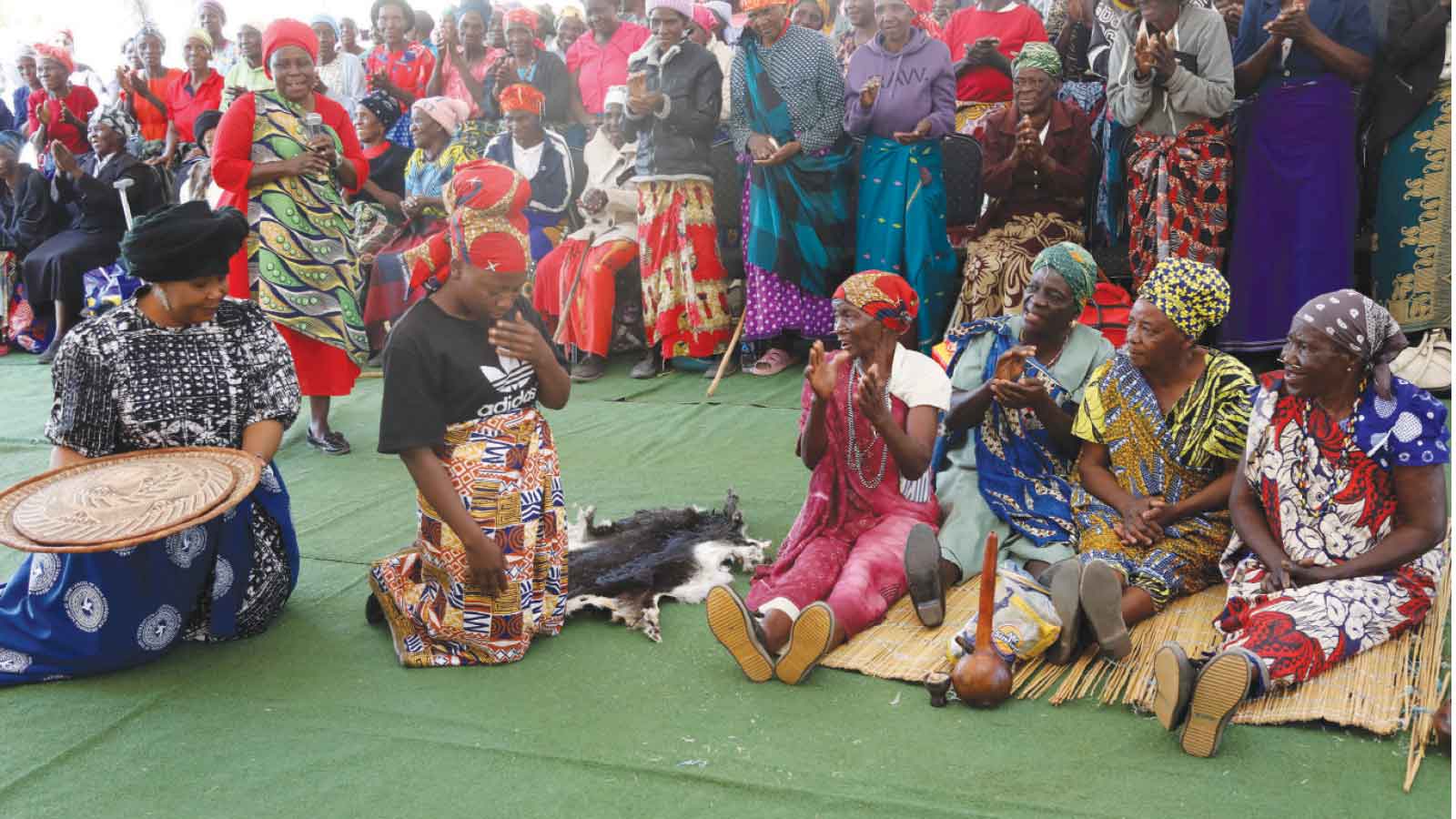
Among the highlights of the programme was a demonstration of the traditional role of a Tonga muroora (daughter-in-law), illustrating the respect, humility and etiquette expected of a married woman.
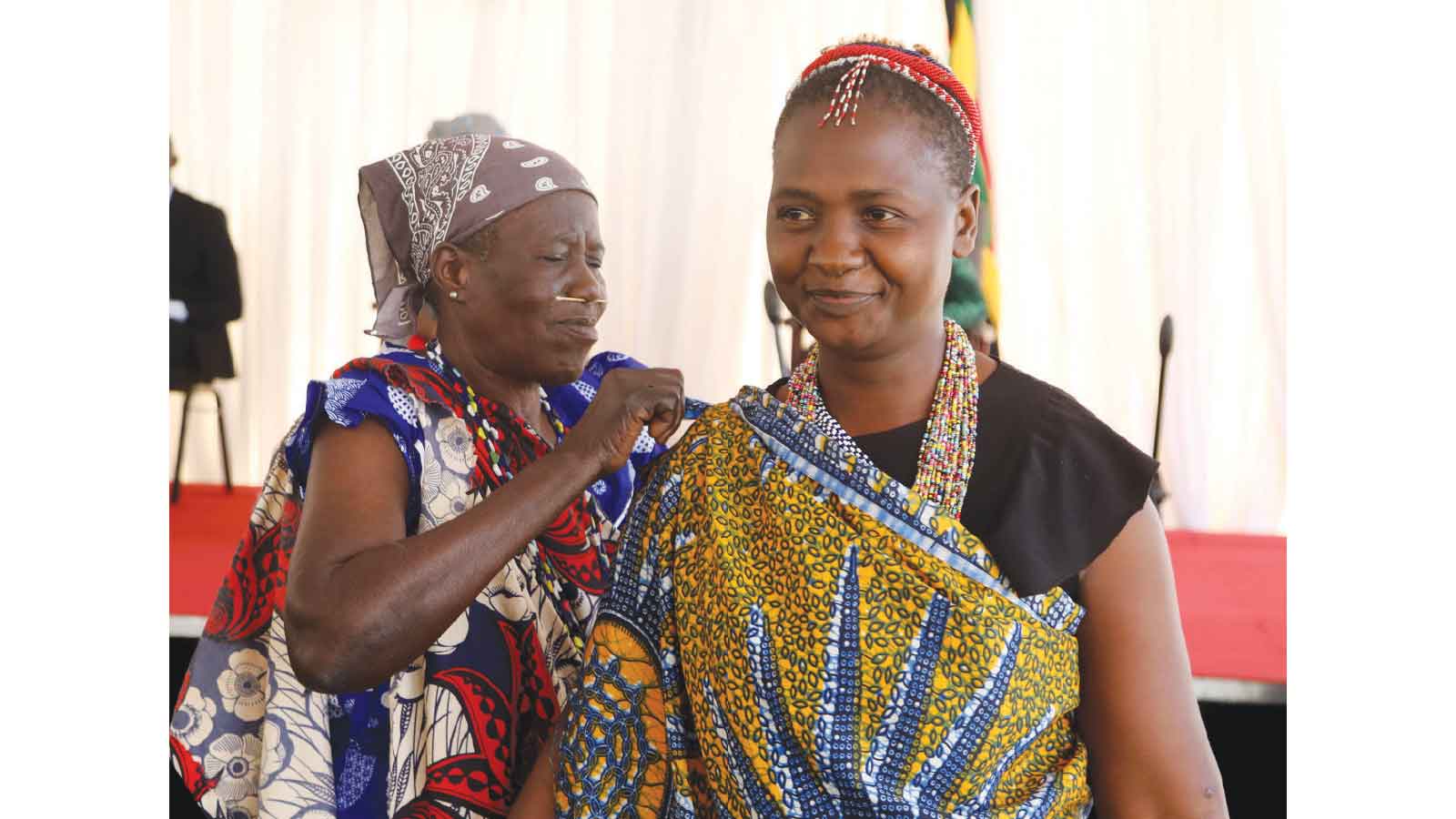
The BaTonga showcased both traditional and contemporary customs, demonstrating how a muroora dresses in a doek and zambia, carries herself, serves food and conducts herself before her in-laws.
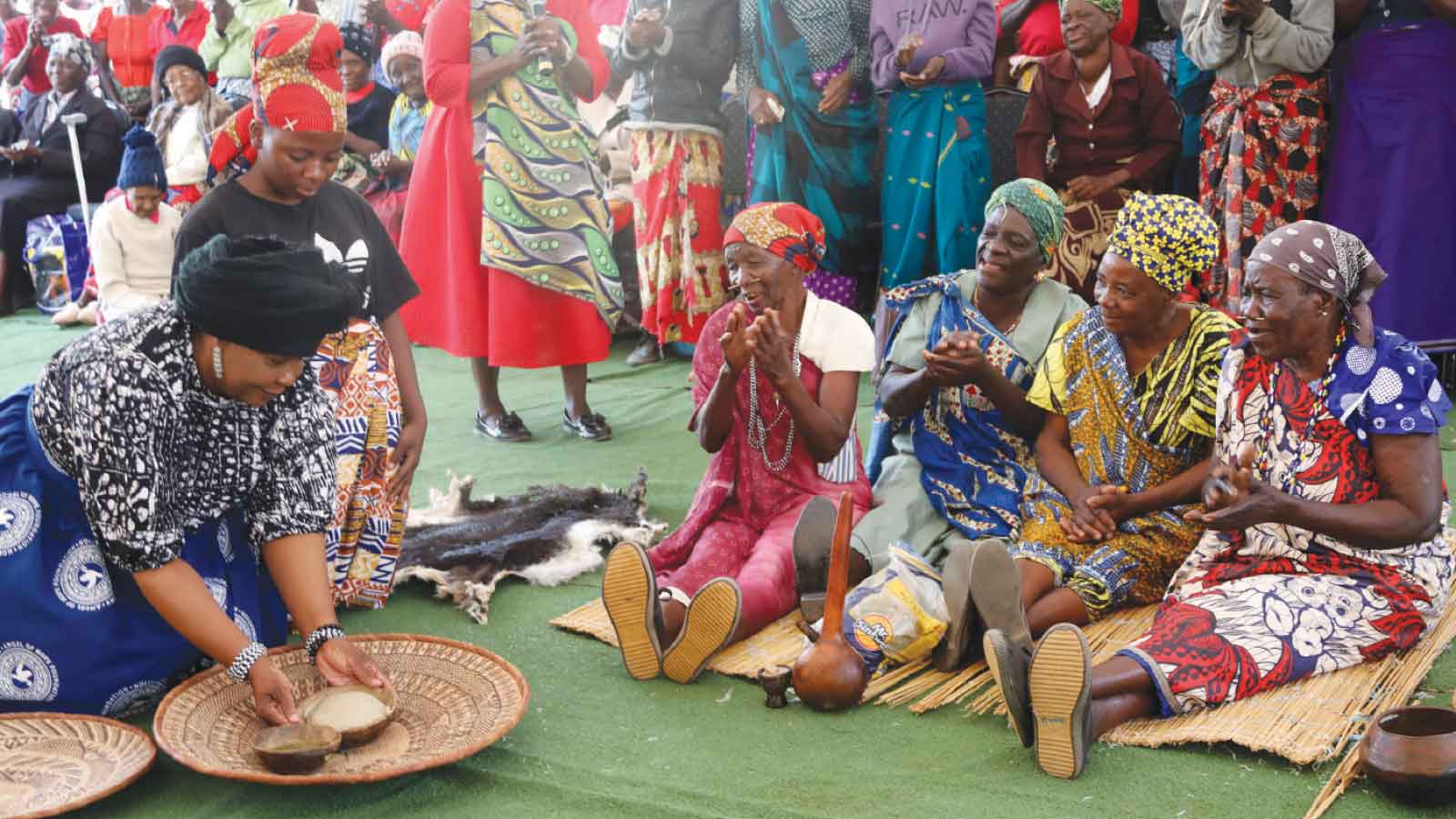
The demonstration began with the muroora being taught by an aunt how to properly wear a doek and zambia in keeping with Tonga tradition. She then respectfully shuffled forward on her knees to serve members of her husband’s family, avoiding direct eye contact as a sign of humility and reverence.
The food was carried covered at all times to protect it from flies and other forms of contamination, reflecting the BaTonga’s emphasis on cleanliness, respect and proper household etiquette.
The BaTonga explained that these customs continue to be practised today, reflecting good character, strengthening family values and helping preserve the country’s cultural identity.
To the delight of the gathering, Dr Mnangagwa participated in the cultural exhibition by taking on the role of a Tonga muroora.
After being guided by an aunt on the proper way to wear a doek and zambia, she respectfully shuffled forward on her knees to serve food the traditional Tonga way, drawing thunderous applause from the audience, who commended her humility and unwavering commitment to preserving Zimbabwe’s cultural heritage.
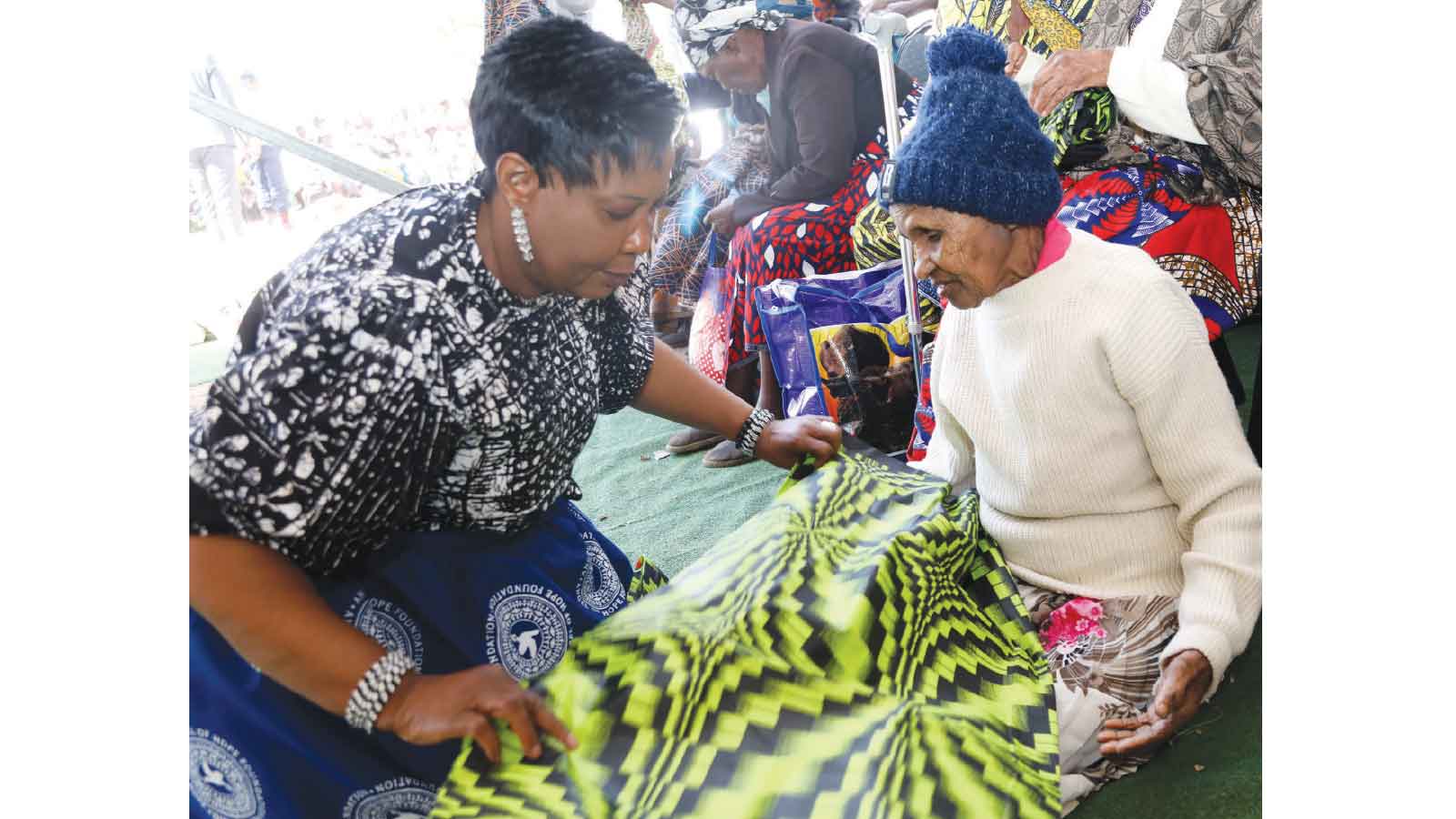
The occasion was marked by humbling moments as Dr Mnangagwa personally distributed doeks, zambias, innerwear, petticoats and groceries, while several expectant mothers also received maternity preparation kits.
Several tonnes of rice and assorted clothing items were also distributed to all beneficiaries.
The day also featured sporting activities for the elderly, including sack races and tug-of-war competitions, to promote healthy living, unity, teamwork and social interaction among participants.
Addressing the gathering, Dr Mnangagwa said the Doek Drive was about far more than clothing, describing it as a movement to restore dignity, preserve culture and strengthen the family unit.
“The Doek and Zambia initiative is about far more than clothing. It is about who we are as Zimbabweans. It is about protecting our culture, preserving our dignity and restoring the values that define us as women,” she said.
The First Lady commended the women of Binga for proudly embracing their traditional attire, saying their appearance reflected deep respect for Zimbabwean culture.
“When God created women, He did not create us for our private bodies to be exposed. Seeing our grandmothers, mothers and daughters proudly dressed in their doeks and zambias fills me with joy. You have shown the whole nation that Binga cherishes its culture and respects its identity.”
Dr Mnangagwa said mothers were the custodians of family values, adding that the respect accorded to both the home and the nation begins with the woman.
“A respected nation begins with respected families, and a respected family begins with the mother. Mothers set the standard in the home. Through your conduct, your appearance and the values you instil, you shape the future of your children and your community.”
The First Lady implored women to continue taking pride in caring for their families while safeguarding Zimbabwe’s cultural heritage.
With statistics showing that Binga remains among the districts most affected by child marriages, the First Lady strongly condemned the practice and urged victims of forced child marriages to report such cases to the relevant authorities.
Dr Mnangagwa warned that both perpetrators of child marriages and those who marry off children will be prosecuted, stressing that the law will take its course against anyone involved. Dr Mnangagwa urged women from all provinces to celebrate their diversity while remembering that Zimbabwe remains one united nation.
“Whether one comes from Binga, Manicaland, Mashonaland, Matabeleland or Masvingo, we are one people and one Zimbabwe. Let us continue welcoming one another and celebrating our different cultures.”
Turning to challenges confronting families, Mother Zimbabwe called for collective action against gender-based violence, alcohol and drug and substance abuse, warning that the scourges continue to threaten the country’s future. Among the substances identified as prevalent in Binga were Njengu, an illicit brew, and marijuana, which communities raised concern over due to their impact on families and young people.
Dr Mnangagwa then encouraged communities to utilise her 575 toll-free number to report cases of gender-based violence urging citizens to report all social vice including drug dealers operating in their communities.
“The painful reality is that drugs have now found their way even into our schools. If you know where drugs are being sold, report it. We cannot remain silent while our children are being destroyed,” she said.
The First Lady also called for the establishment of a drug rehabilitation centre in Binga to provide treatment, counselling and vocational training for those already battling addiction.
Dr Mnangagwa urged women to venture into income-generating projects by taking advantage of Government empowerment schemes while calling on local leadership to play its part in assisting communities.
One of the highlights of the programme was an interactive mock courtship session in which youths openly shared the qualities they looked for in a future spouse, drawing laughter, applause and lively participation from the audience. The engaging exchange reinforced the importance of good character, respect, modesty, education and shared values as the foundation of successful marriages and strong families.
One young woman said she chose a man because he was pursuing his education, explaining that education instils discipline and reflects a promising future. She also admired his humility, confidence and ambition. The young man responded that she appeared respectful and presentable, adding that her good manners would be evident wherever she went.
Another participant said she was drawn to a man who appeared financially responsible and capable of paying lobola, adding that his neat appearance reflected good character. Amid laughter, the young man confidently responded that he was indeed capable of paying bride price. One young woman said she preferred a man who was clean, neat and someone she could build a future with. In return, the young man praised her good character and the dignified way she wore her zambia, saying these reflected respect and strong cultural values.
Another young man said he admired a woman who dressed modestly, with clothing below the knees, adding that such a daughter-in-law would make any mother proud.
Another participant said she was attracted to a man who dressed well and had a fair complexion. In a light-hearted response, the young man jokingly remarked that she looked like his “sugar mummy”, sending the crowd into laughter before admitting that he admired women like her.
The mock interaction blended humour with practical lessons on choosing a life partner, highlighting that character, respect and shared values are more important than outward appearance alone. Popular evangelist Nelly Gwatidzo also delivered an inspiring message, encouraging the gathering with words of wisdom and practical advice. She urged women to uphold respect, modesty and strong family values, saying these are the pillars of a happy home.
Encouraging daughters-in-law to dress modestly, especially in the presence of elders, she remarked: “What is precious is always kept covered, while what has little value is left exposed.”
Rev Gwatidzo cautioned women against bringing undesirable habits into marriage, including alcohol abuse, saying a good home is built on character, mutual respect and support, not wealth.
“A good home is built by people of sound character, not by those who follow alcohol and drugs,” she said. She also urged families to stop accusing elderly mothers-in-law of witchcraft simply because of old age.
“Growing old is not witchcraft. If a daughter-in-law lacks certain cultural values, teach her with love and patience. If she makes a mistake, correct her privately instead of discussing her with relatives,” she said.
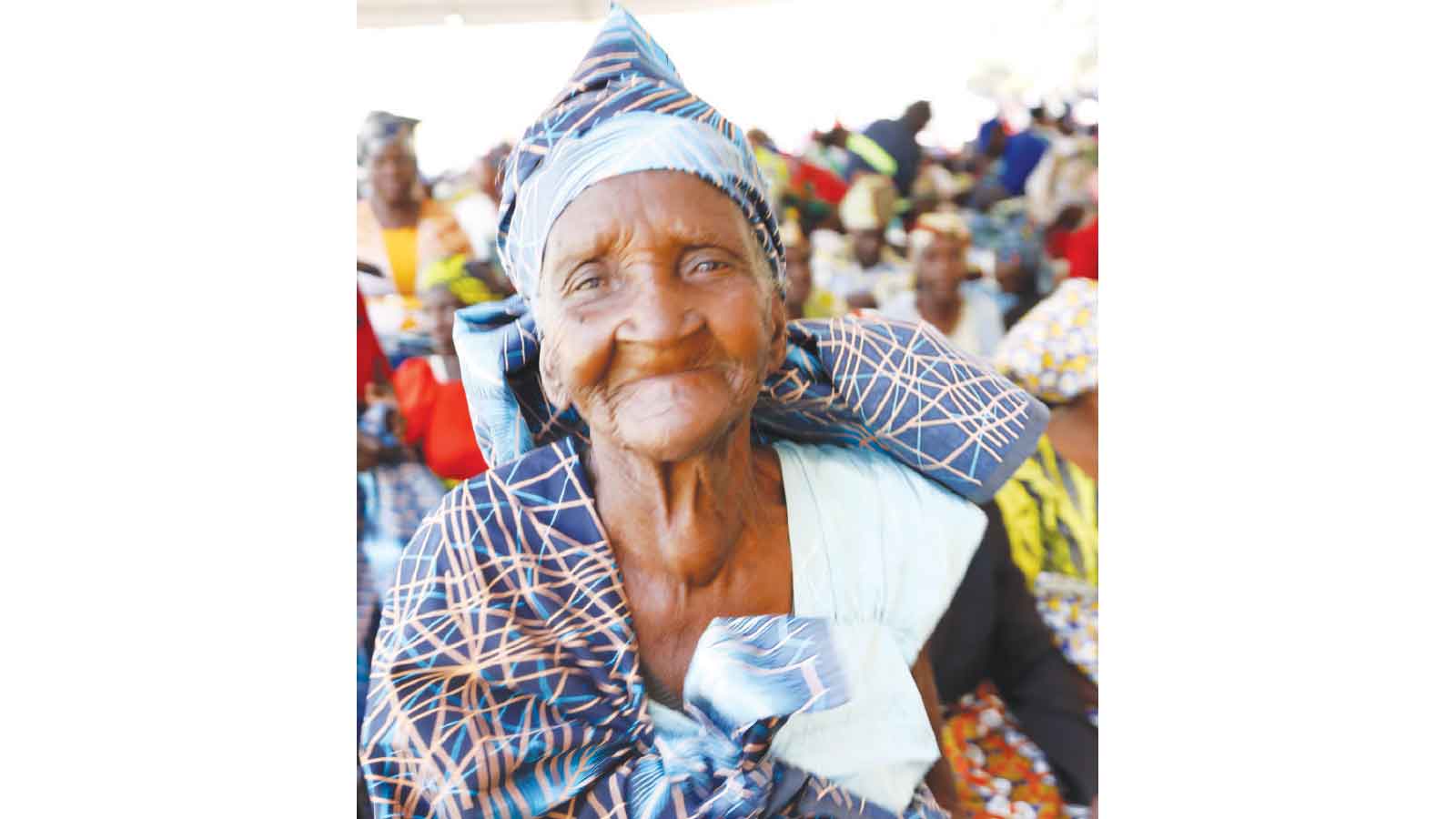
Matabeleland North Minister of State for Provincial Affairs and Devolution Richard Moyo said the Doek Drive had restored dignity to women, empowered girls and reinforced the importance of preserving Zimbabwe’s cultural heritage.
“The people of Binga are truly grateful that you have chosen to bring this noble programme to our district. This gathering provides an opportunity for our communities to celebrate our rich cultural heritage while reaffirming the importance of strong families, respect for our elders and the values that bind us together as one nation.
“As a province, we pledge our continued support for programmes that promote family cohesion, community development, health, empowerment and the preservation of our cultural identity,” he said.
For many BaTonga women, the Doek Drive was far more than the distribution of clothing. It became a celebration of identity, culture and hope.
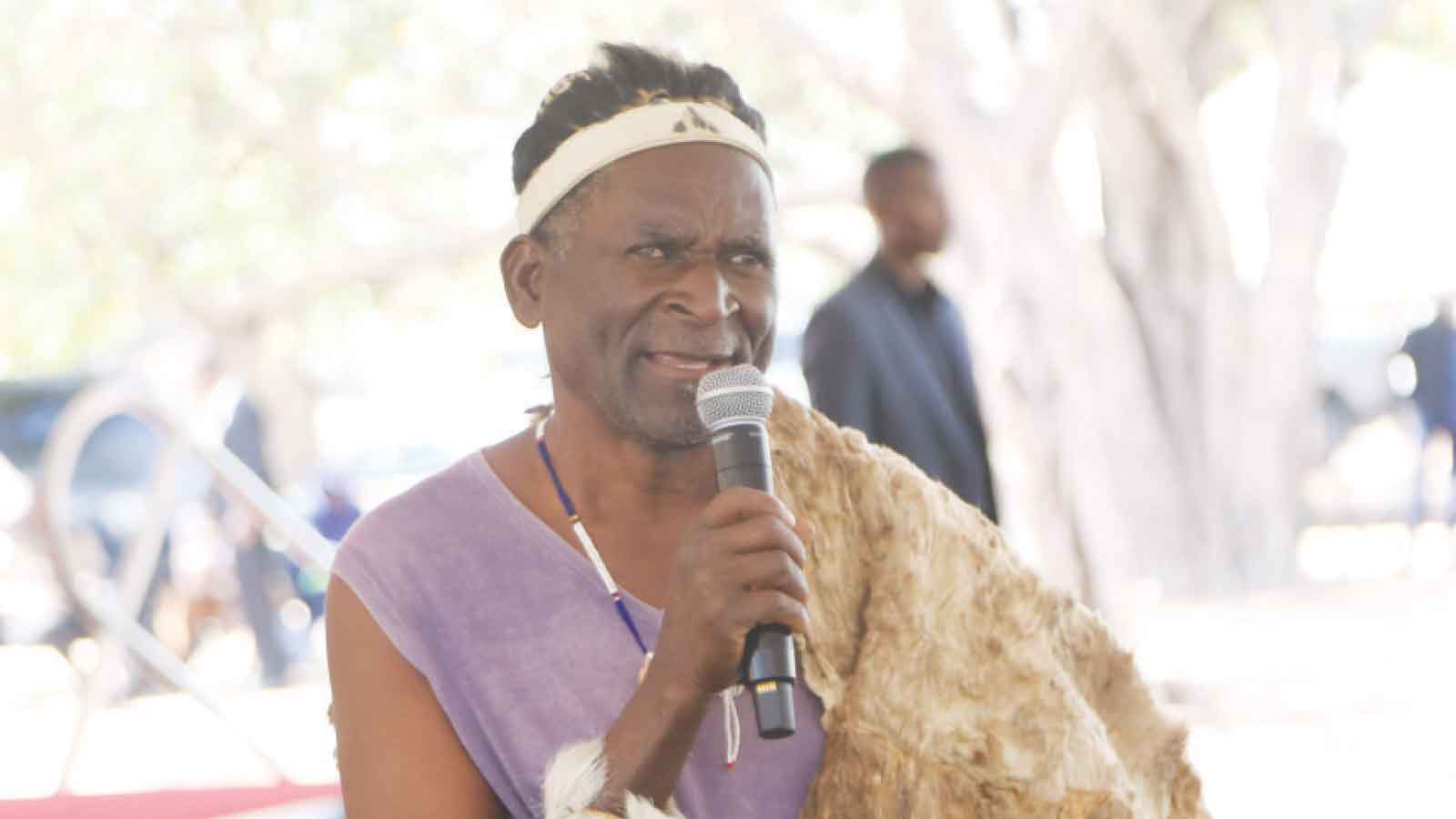
An elderly beneficiary, Gogo Salia Ntoko, said the programme had rekindled pride in BaTonga traditions and reminded women of the values that had defined generations before them.
“We are deeply grateful to our mother, Dr Mnangagwa, for remembering us here in Binga. We have learnt that our culture is our identity and must never be abandoned.
“The teachings we received today have encouraged us to return to our roots and preserve our traditions. We will ensure that our children and grandchildren grow up respecting our customs and the dignity of womanhood,” she said.
Another beneficiary, Gogo Mbaita Nyathi, described the First Lady’s visit as a blessing, saying women from across the province had been united by a common message of cultural preservation.
“This programme has brought us together as women and reminded us of the values that made us proud BaTonga people.
“We thank the First Lady for teaching us the importance of dressing with dignity and protecting our cultural heritage. We are leaving this gathering inspired to become ambassadors of these values in our communities,” she said.
Granny Regina Mugande said the lessons imparted during the Doek Drive would have a lasting impact on families.
“Today’s gathering has opened our eyes. We have been encouraged to embrace our culture instead of abandoning it for foreign practices. We appreciate the First Lady for empowering women with knowledge that will strengthen our families and preserve our traditions for future generations,” she said.
Another beneficiary, Granny Elizabeth Mwembe said the programme’s message on drug and substance abuse was equally significant.
“We are thankful that the First Lady did not only teach us about culture, but also spoke about the dangers of drug and substance abuse. Many of our young people have fallen into this destructive habit.
“Her continued efforts to rehabilitate and restore them give us hope that they can become responsible members of society once again,” she said. Echoing the same sentiments, Stabile Ndlovu said the Doek Drive had restored pride among women while addressing pressing social challenges.
“We have benefited immensely from today’s programme. We have learnt to cherish our culture and return to our traditional values.
“At the same time, we applaud the First Lady for her unwavering commitment to fighting drug and substance abuse because many families have been affected. Her message has given us hope that our children can be rescued and guided towards a better future,” she said.
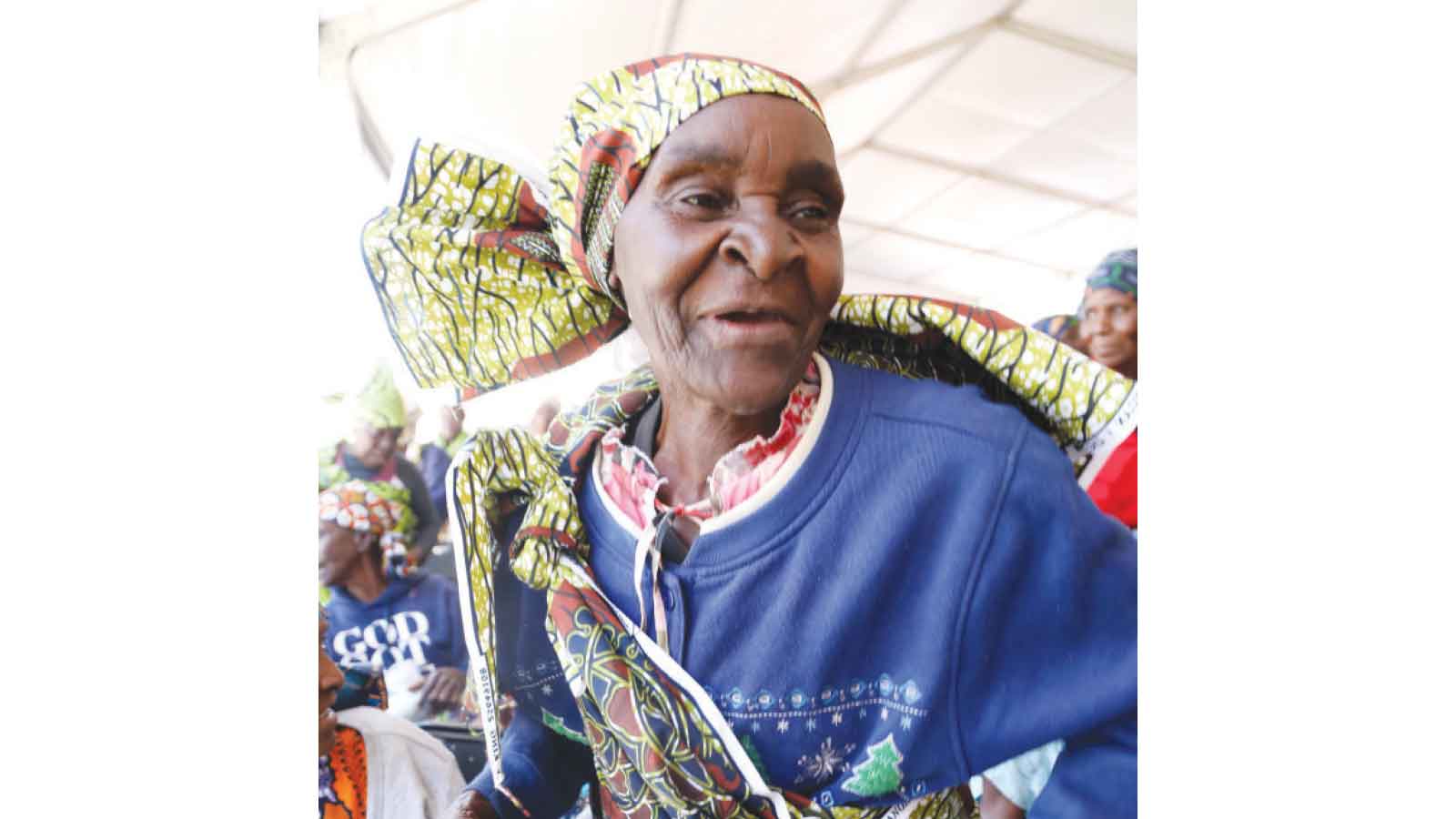
Another beneficiary said the First Lady’s visit would leave a lasting legacy in Binga.
“We sincerely thank Dr Mnangagwa for coming to Binga and for showing that every community matters. She has reminded us that our BaTonga culture is something to be treasured and passed on to future generations. We will continue to uphold the values she taught us today while supporting efforts to protect our young people from the scourge of drugs,” she said.
The Doek Drive continues to grow into one of Dr Mnangagwa’s flagship empowerment programmes, promoting cultural pride, modesty, family values and the welfare of women while providing vulnerable families with essential clothing and household support.
Traditional dance groups did not disappoint, delivering energetic and captivating performances that earned thunderous applause while celebrating Zimbabwe’s rich cultural heritage.
As the sun dipped behind the waters of Lake Kariba and the final echoes of Tonga songs drifted across the Zambezi Valley, women departed carrying far more than doeks and zambias.
They returned to their homes with renewed pride in their BaTonga identity, a deeper appreciation of Zimbabwe’s rich cultural heritage and a shared commitment to pass those treasured values on to future generations.