Online Reporter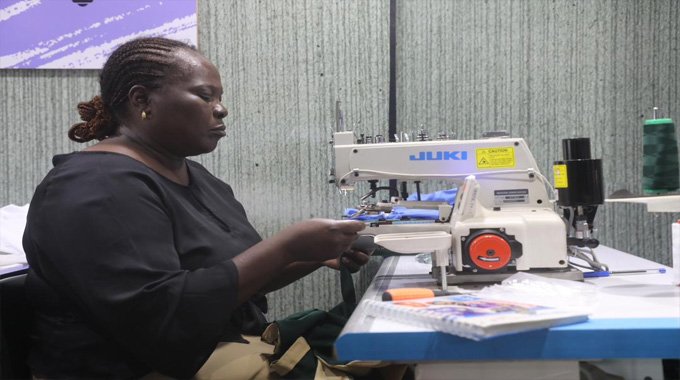
Sikhulekelani Moyo, Zimpapers Business Hub
BULAWAYO is buzzing again as the school year draws near. With only a few days until the first term of 2026 begins, local SMEs that make uniforms and sell stationery are flat out, trying to keep up with demand. Schools reopen on Tuesday, 13 January 2026, and parents have been busy paying fees, ticking off stationery lists and making sure their children are ready for day one.
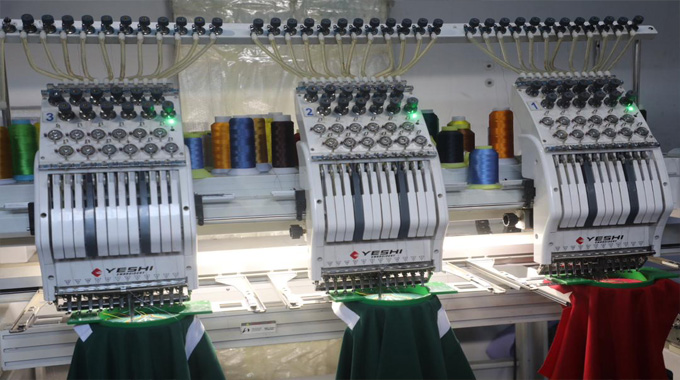
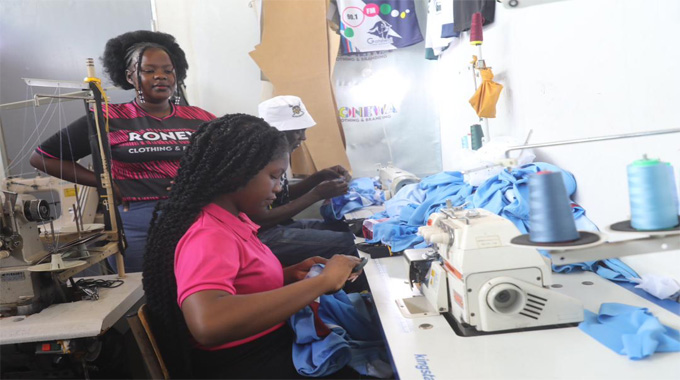
At the SMEs Centre, you can hear the work before you see it — the steady hum of sewing machines, the click of scissors; the rhythm of embroidery frames turning. Uniform makers are pushing hard to meet deadlines, stitching shirts, skirts and badges, and assembling school bags as fast as orders arrive.
Bulawayo Chamber of SMEs co-ordinator, Nketa Mangoye Dlamini, says demand picked up in December and hasn’t slowed. The orders are welcome, but last minute requests make life difficult, especially when raw materials run short. He urges customers to order earlier so producers have time to plan and deliver well.
“During this period, we see lots of orders for uniforms, people are really coming to place orders, and in terms of business, I think the volumes are ok.
However, last-minute orders are a challenge, the problem with rush hour, wrong things can easily happen. Last week we had power cuts for about three days, which obviously affected production. At the same time, you will be supposed to meet the deadline,” said Dlamini.
He believes having key materials sold directly at the SMEs Centre would save precious time otherwise spent searching around town.
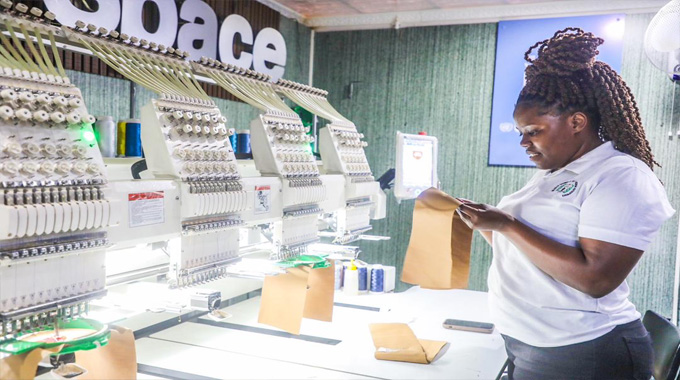
He also points to the “Maker Space as a big help. Instead of trekking to the CBD for specialist services, producers can now get what they need close by.
The Maker Space has been a boost for women led textile businesses too, with embroidery, button fixing and overlocking machines available to lift quality and speed.
“In terms of volumes, the Maker Space has picked up especially now, so the ladies who are operating the facility have started having night shifts to allow SMEs to utilise the facility 24 hours, as the demand grows. We are also engaging other women who are operating in other places to come and utilise the facility,” said Dlamini.
Even with rising orders, access to funding remains a stumbling block. Bulawayo Chamber of SMEs vice chairperson, Sithabile Bhebhe, says many producers struggle to fulfil big orders because they can’t get loans quickly enough.
When banks take weeks to process applications, work is delayed or passed to others, and power cuts only add pressure.
“This year, things seem to be better compared to last year, we are seeing growth in demand, but the challenge we have is capital, some say they get orders but without capital, and we can’t quickly access loans from the banks as some are being given weeks or a month’s waiting period to get the funding.
“So, for us to meet the deadline, you get the client to give someone the job. We are also still facing some electricity challenge. We appeal to the Zimbabwe Electricity and Supply Authority to at least spare us during these busy days,” she said.
Producer, Juliana Mujuru says the funding gap affects how much stock they can carry — and, in turn, how well they can meet deadlines. Many rely on customer deposits to buy fabric and trims, which slows everything down.
“This brings pressure as we wait for clients to pay a deposit first so that we can buy material, which affects our deadlines and quality of the product. We also need modern-day machinery, which saves power and is fast to improve efficiency. I believe as SMEs if we can get loans, we can start stocking before schools close, as we all know that we have January back-to-school, rather than waiting for customers to pay a deposit, that way we can grow as SMEs,” said Mujuru.
With demand up, late nights are becoming normal. Mujuru admits the extra hours are taking a toll on health and performance, but orders keep coming and the work must get done. At Nkuzi Embroidery, staff are running day and night shifts because limited workers and materials make it hard to keep up otherwise. Lisa Dube of Ronewa Clothing and Branding says customer deposits are still the main way they fund materials — practical, but far from ideal.
There’s also the challenge of cheap imports flooding the streets, undercutting local makers who put time and care into their products. Said Charity Dliwayo: “They sell uniforms that we sell at US$10 for between US$3 and US$5 dollars, which becomes a challenge to us”.
Still, the work carries on. Parents keep moving from shop to shop with lists in hand. Makers measure, cut and stitch. Children wait for fresh uniforms that fit just right. In the workshops, it’s simple, honest craft — turning fabric into something children can be proud to wear on the first day back. And despite the late nights, power cuts and tight budgets, Bulawayo’s small businesses are doing what they’ve always done: finding a way to deliver.