Online Reporter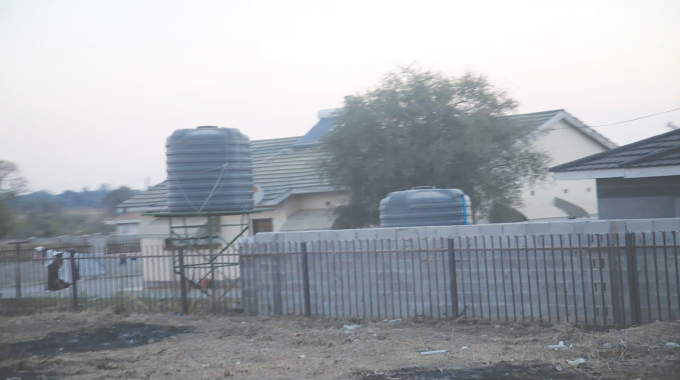
Peter Matika [email protected]
THE City of Bulawayo has raised the alarm over the growing problem of illegal JoJo tank connections, warning that some residents are bypassing water meters by connecting storage tanks directly to the city’s reticulation system, a practice they say amounts to water theft.
Councillors have said the practice is depriving the local authority of much-needed revenue at a time when the city continues to grapple with water shortages.
The concerns were raised during deliberations by the Future Water Supplies and Water Action Committee, where councillors called for the establishment of a dedicated inspection team to investigate unlawful water connections across the city.
The revelations come as Bulawayo remains under a water-shedding programme introduced to conserve supplies while the city awaits the next rainy season and continues pursuing long-term water augmentation projects.
One of the councillors commended the city’s efforts to secure additional water sources but expressed concern over the increasing abuse of the water distribution system.
He noted that while many residents had invested in JoJo tanks to store water during scheduled water cuts, some had resorted to illegally connecting the tanks directly to council water reticulation infrastructure without passing through water meters.
The councillor described the practice as criminal, saying it robbed the local authority of revenue needed to maintain and improve water infrastructure.
He proposed the creation of a specialised water inspection team that would conduct citywide investigations into suspected illegal JoJo tank installations and other unlawful water connections.
The committee’s discussions highlighted the delicate balance the city is trying to maintain between conserving limited water resources and ensuring residents continue receiving adequate supplies amid recurring droughts.
Bulawayo Mayor, Councillor David Coltart said Bulawayo’s long-term solution to persistent water shortages lay in accelerating water augmentation projects, particularly the proposed Glassblock
Dam, which he described as a critical milestone in securing the city’s future water security.
He revealed that a draft agreement relating to water purchases had already been submitted to the Central Government and council was awaiting a response.
The mayor also warned that early weather forecasts suggested the next rainy season could be below average, making it imperative for both Government and the local authority to begin preparations for another possible dry spell.
He said Central Government had already started putting in place drought mitigation measures and urged council to adopt a similar proactive approach.
Supporting the call for tighter enforcement, another councilor said council had demonstrated commitment in addressing the city’s water challenges and should now move decisively against residents engaging in illegal water connections.
She said bypassing water meters constituted a criminal offence and those found guilty should face the full consequences of the law.
The councilor also expressed optimism that the Central Government would expedite its response regarding the Glassblock Dam project, saying the development would significantly ease Bulawayo’s perennial water challenges.
The committee’s concerns come against the backdrop of Bulawayo’s continued reliance on strict water conservation measures, with residents enduring scheduled water shedding as the city manages limited supplies from its dams.
Over the years, many households and businesses have installed JoJo tanks to cushion themselves against prolonged interruptions in water supply. While the storage tanks have become an essential coping mechanism, councillors warned that some residents were abusing the system by creating illegal connections that enable water to bypass official metering infrastructure.
The committee stressed that protecting every litre of treated water was now more important than ever as Bulawayo faces increasing pressure from climate change, erratic rainfall and rising demand driven by urban growth.
Council has consistently maintained that improving water security requires a combination of infrastructure investment, responsible water use, enforcement against illegal practices and the successful implementation of long-term augmentation projects.
Following the deliberations, the committee adopted the recommendations on water augmentation and reinforced calls for stronger monitoring and enforcement to safeguard the city’s precious water resources.