
Langalakhe Mabena, Sunday Life Reporter
A CHURCH service is in full swing. The choir is singing, the congregation is clapping along and, as the music builds, some worshippers rise to their feet, dancing, jumping and throwing their hands in the air. For them, this is what praising God looks like — an uninhibited expression of gratitude and joy.
However, not everyone sees it that way. Where some see spirited worship, others may see disorder and where young congregants may believe they are celebrating God’s goodness, church elders may feel that the boundaries of reverence are being crossed.
Such a debate has resurfaced following an incident at Selbourne Park Seventh-day Adventist (SDA) Church in Bulawayo, where an elder reportedly cautioned young congregants over their conduct during a church service.
The intervention sparked debate on social media, with some interpreting it as an attempt to discourage dancing and youthful expressions of worship.
However, beneath the online exchanges lies a more fundamental question: Can believers freely express themselves through dancing, jumping and celebration without compromising the reverence expected in the house of the Lord?
For some, worship is incomplete without uninhibited expressions of joy, while others insist that the sanctuary must remain a place of order, discipline and respect.
Clarifying the circumstances surrounding the intervention at Selbourne Park, Mgcini Nkosiyabo Sibanda, a church member, said the concern was not dancing itself, but the commotion allegedly caused by some young congregants and what he described as their disrespect towards church leadership.

“Just to clarify things, the issue that was being rebuked on the Sabbath was not dancing. It was the commotion being caused by young congregants and the overt disrespect towards leadership.
“Hence, the pastor had to speak against such behaviour, and he did so fearlessly. I think the narrative being peddled on social media is wrong and does not represent the events that actually occurred.
“As a church, we believe in reverence in the house of the Lord. If people revere earthly judges and magistrates through their decorum and deportment, what more Umdali weZulu loMhlaba?
Therefore, we strongly discourage the house of the Lord from being filled with behaviour that is fit for a football stadium,” said Sibanda.
His remarks draw a distinction between exuberant worship and disruptive behaviour, emphasising that the freedom to celebrate should not be confused with the licence to disregard others or undermine church leadership.
Reverend Nhlanganiso Moyo, a prominent clergyman and Schools Co-ordinator for the Presbytery of Zimbabwe Educational Trust Southern Region, said he believed that denominational guidelines should provide the foundation for determining acceptable conduct in church.

“Each denomination is guided by its manual of faith and order, which provides the standard for all activities, including behaviour and character issues.
“Deviation from those guidelines means defiance, which then warrants disciplinary action against such acts of misconduct. Therefore, there should not be anyone inventing new sets of rules governing each denomination unless they are repealed by those in authority,” he said.
Rev Moyo, however, acknowledged that maintaining uniformity across congregations can be challenging, particularly when young people come from different family backgrounds and social environments.
He believes guidance from church leaders is important in shaping young people’s understanding of worship, but insists that freedom must be exercised within certain boundaries.
“Limits in praise and worship have to be there for purposes of retaining the identity and respect of God, as well as people themselves. If things are let loose, there is a danger of chaos and disorder in the house of the Lord in the name of praise.
“While people may embrace secular dances that could be offensive and dress in ways that may be provocative, I strongly advocate for limits associated with respect for God and humanity,” said Rev Moyo.
South Africa-based Gospel musician Canaan Nyathi shares the view that freedom of worship should never come at the expense of reverence.

“The respect we show God should be even greater than the respect we give our earthly fathers because God is our Father. We must always remember that we are in the presence of the highest authority, and respect and honour should guide how we conduct ourselves before Him.
“We are also seeing a decline in morals, particularly when it comes to behaviour and the way people dress in church. Young people must understand that times may change, but God does not change.
We should never allow the freedom that comes with a new generation to make us forget the importance of dressing appropriately and carrying ourselves with respect in God’s house,” said Nyathi.
However, Nyathi is quick to point out that reverence should not be confused with suppressing joy.
He believes dancing, jumping and celebrating are perfectly acceptable expressions of worship.
“Worship should be joyful and free, but it must also be respectful. We should be careful not to turn our expressions of joy into distractions that take people’s attention away from God. Ultimately, everything we do in worship should keep the focus on Him,” he said.
While much of the debate revolves around physical expressions of worship, Zimbabwean Gospel musician Everton Mlalazi introduces another dimension: the evolution of worship and how different musical expressions can coexist within the church.
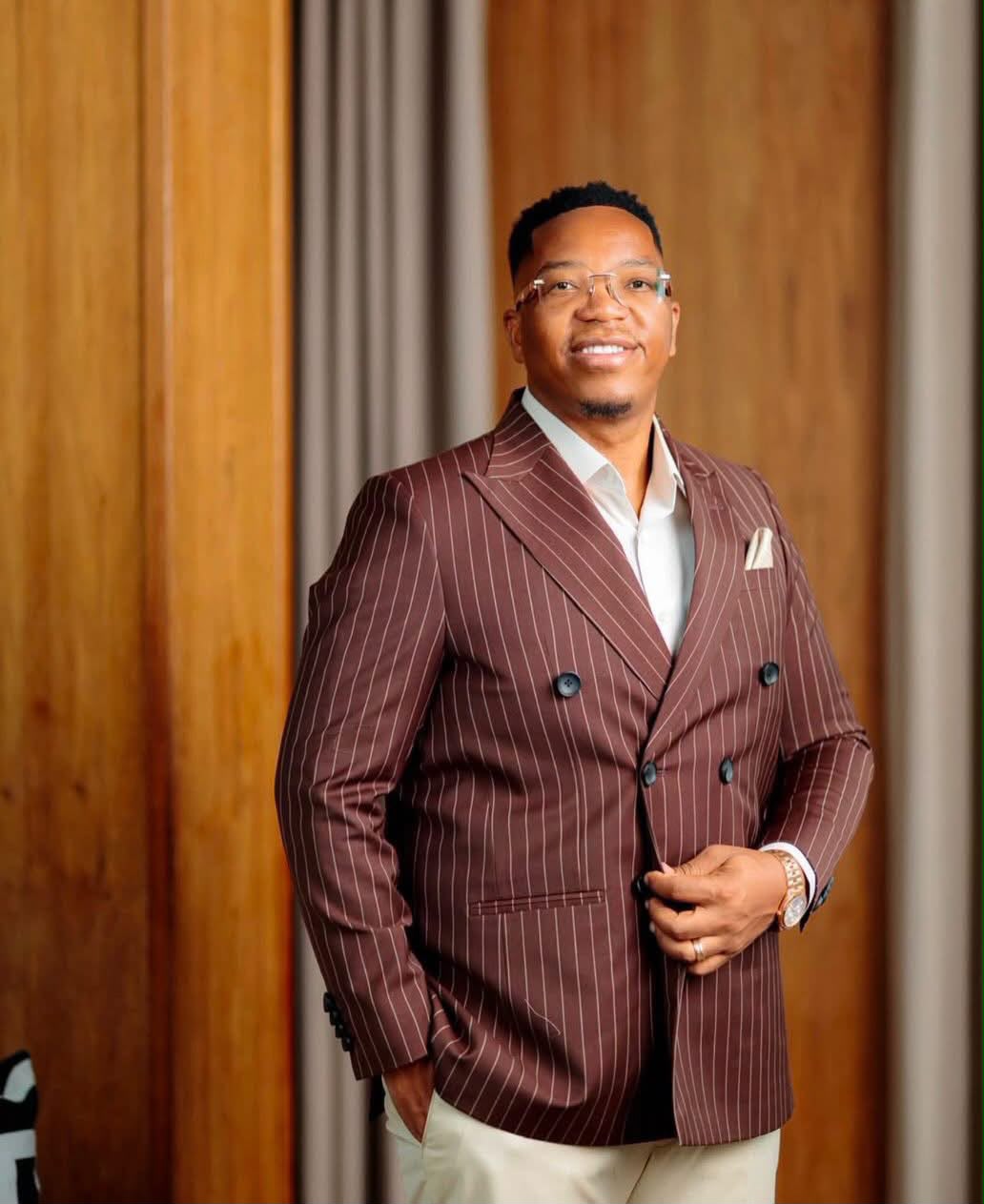
An Adventist musician, Mlalazi has previously found himself at the centre of discussions surrounding the introduction of musical instrumentation into traditional SDA hymns, with some members maintaining that the church should preserve its predominantly a cappella identity.
During a July 2026 appearance on ZiFM Stereo’s #TheBigShow with Chamvary, Mlalazi argued that musical accompaniment does not dilute the church’s identity, but instead adds another dimension to its worship experience.
He noted that although Adventism has a strong a cappella tradition in Africa, musical expressions differ across the global church.
“When you travel and experience different expressions of worship, you begin to appreciate that there is nothing wrong with adding musical accompaniment to these songs. In fact, it enhances their value and brings another dimension to the worship experience.
“I am an Adventist through and through, and I will always remain one. I understand that we may differ in opinion with some members of the church on this, but I believe there is room for different musical expressions within our faith,” said Mlalazi.