

 Online Reporter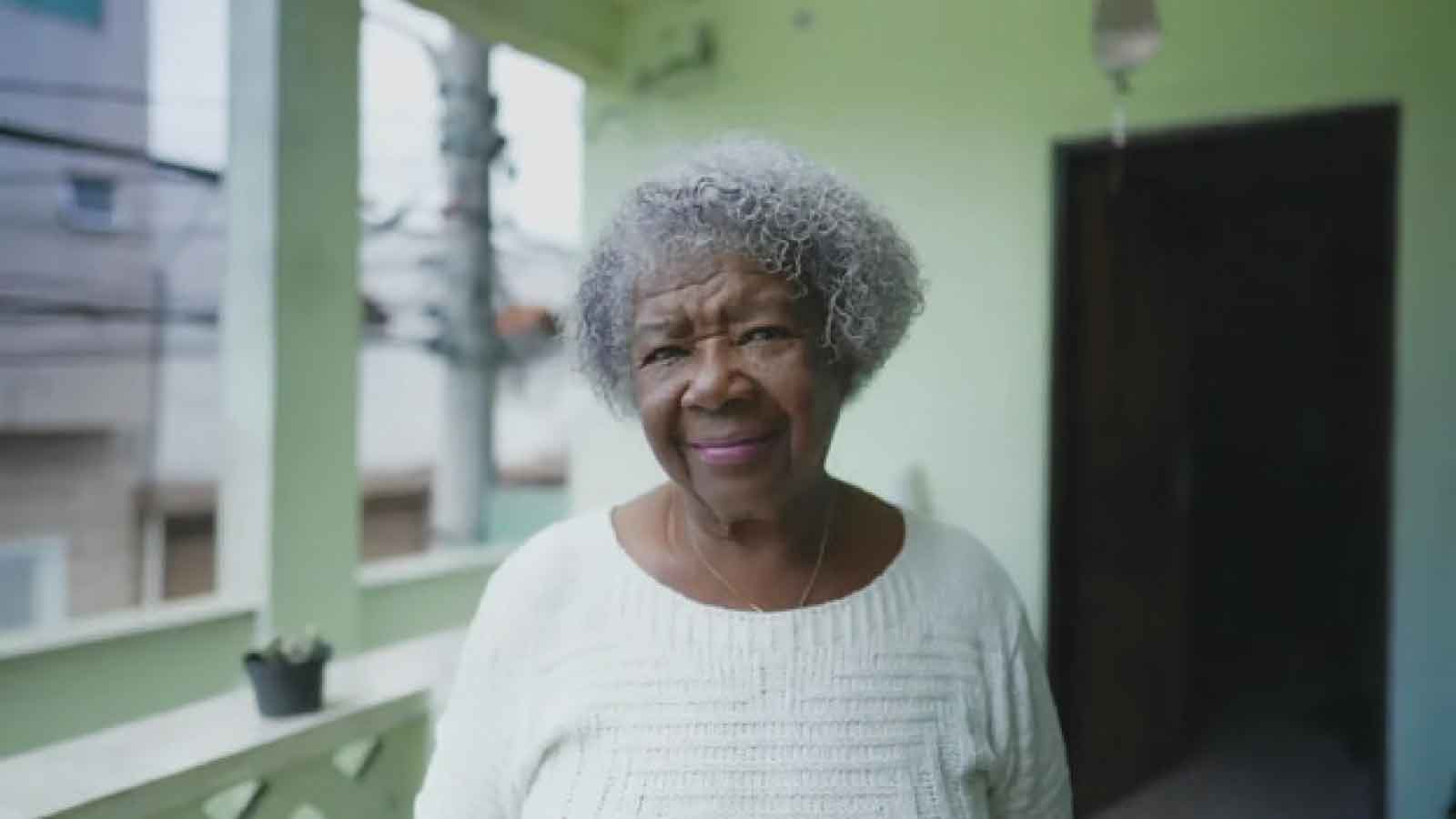
Lifestyle Coach Correspondent
The internet is obsessed with living forever. Every week, a new anti-ageing hack, expensive supplement, or billionaire-backed “longevity” trend promises to slow down death. Cold plunges. DNA testing.
Teenagers are using anti-wrinkle skincare before they can legally drink.
But while the wellness industry sells the fantasy of eternal youth, researchers studying some of the oldest people on Earth say the real answer to longevity is far less glamorous and much more human.
Honestly, in a world shaped by burnout, anxiety, and rising living costs, living to 100 doesn’t always sound appealing. Many of us aren’t asking how to live forever.
We are asking how to increase our healthspan, the years we live free from chronic disease, without feeling emotionally and physically exhausted all the time.
In Brazil, home to one of the world’s most genetically diverse populations, scientists are studying supercentenarians (people living past 110) to understand how they stay mentally sharp and resilient.
Here is what they found out about everyday longevity:
1. Move for life
One of the clearest patterns researchers found was that Brazilian centenarians never stopped moving. But they weren’t crushing high-intensity workouts or following “gym influencers”.
They engaged in functional movement:
Walking to the local market.
Gardening and cooking from scratch.
Cleaning and taking the stairs.
The World Health Organization (WHO) confirms that consistent, gentle physical activity lowers the risk of heart disease, stroke, and dementia. Retaining muscle mass through everyday chores protects your balance and independence as you age.
2. They have “resilient” DNA (but habits matter more)
Why do some people age better than others? Geneticists at institutions like the University of São Paulo have found that many supercentenarians carry specific gene variants linked to superior DNA repair, healthier inflammation responses, and cellular resilience.
Scientists study how environmental factors like diet and stress turn these protective genes on or off. You cannot change your birth DNA, but you can change your cellular environment through daily lifestyle habits.
3. Eat simply, not perfectly
One thing missing from long-life studies? Obsessive, restrictive dieting.
Brazilian centenarians don’t track macros or cut out entire food groups. Instead, they eat a traditional, minimally processed diet built around affordable, whole-food staples:
Rice and black beans (feijão): A nutrient-dense combination packed with fibre, magnesium, and lean protein.
Fresh vegetables and seasonal fruits: Loaded with natural antioxidants.
Healthy fats and home-cooked meals: Shared with family over decades.
Data from the Harvard TH Chan School of Public Health consistently shows that dietary consistency beats short-term, extreme wellness trends every time.
The choice between traditional eating and modern food trends comes down to a simple trade-off between sustainability and stress.
When you focus on traditional whole foods, you feed your body a steady supply of nutrients that translate into sustained daily energy and lower internal inflammation, ultimately paving the way for a higher healthspan.
On the flip side, chasing extreme diet trends usually triggers a cycle of mental stress, physical burnout, and quick abandonment, leaving you with absolutely no long-term benefit.
4. Prioritise community over isolation
The strongest predictor of a long, happy life isn’t money or a skincare routine. It is your relationships.
Brazilian culture places a massive emphasis on multi-generational households, tight-knit neighbourhoods, and vibrant social routines. Loneliness, by contrast, is a physical poison.
The American Psychological Association highlights that chronic isolation is as damaging to your health as smoking 15 cigarettes a day, directly accelerating cognitive decline. Humans simply age better when they are connected.
5. Focus on living, not anti-ageing
Perhaps the most striking finding is that people living beyond 100 never obsessed over longevity. They were simply living.
Healthy ageing is not a battle to look 20 when you are 50. It is about protecting your body’s natural resilience over time. By prioritising sleep, simple nutrition, and deep human connections long before illness appears, you can survive modern stress and protect your future health. — iolnews



