
Inside ZIFA-Nqobile Magwizi
TUESDAY hurt. Losing 7-0 to Malawi at the National Sports Stadium, and 9-0 on aggregate, was painful for the Mighty Warriors, their coaches and every Zimbabwean who wanted to see them succeed.
A result like that demands an honest response from all of us.
Malawi were better-prepared, and this was evident. Their performance exposed a gap we have to close.
Making excuses would serve no one, while putting the entire burden on the coach and players would leave too many questions unanswered. We need to ask what this defeat tells us about our football and what we are prepared to do about it.
International football exposes weaknesses quickly. The teams that compete consistently arrive with years of investment, regular competition and sound preparation behind them.
Testing ourselves against stronger opposition is part of improving, provided we take what we learn seriously and act on it.
Malawi offer a useful example. The Scorchers reached the final of the 2026 Women’s Africa Cup of Nations on their tournament debut, showing what sustained development and preparation can achieve. Zimbabwe can learn from that progress while building a system that suits our own talent, resources and ambitions.
At ZIFA, we know that rebuilding women’s football has to reach well beyond the senior national team. It begins with girls getting the chance to play and continues through schools, youth competitions, clubs and the domestic league. Those connections matter because they determine how far a talented young player can go.
We have seen what Zimbabwean women can achieve. Qualification for the 2016 Rio Olympic Games remains a proud moment in our football history.
The challenge now is to give our players the support to reach those heights more often. That work is underway.
BancABC’s Roots Impact Programme and the Munhumutapa Challenge Cup are among the opportunities available to young players.
The African Union Sports Council Region 5 Youth Games, the COSAFA Girls’ Integrated Football Tournament and CAF Schools Football also give girls the chance to develop their skills and experience organised competition.
ZIFA’s football festivals across the country are helping to open the game to more girls, including those in remote and underserved communities. For a young player whose ability might otherwise go unnoticed, a festival can be the first chance to be seen. It can also be the moment when playing for Zimbabwe begins to feel possible.
We are investing in women coaches too. As more girls take up football, they need people with the knowledge and skills to help them improve. The quality of that guidance will have a lasting influence on the women’s game.
The next step is to bring these opportunities together in a clear plan for development over the coming years.
A girl who discovers football at school should be able to see a route into youth competition, a club and, eventually, the national team.
Along the way, she needs qualified coaching, regular matches, suitable facilities and an environment that gives her reasons to stay in the game.
Better scouting and player registration must support that journey. Zimbabwe has talent in every corner of the country, but we need to identify it, keep proper records and follow each player’s progress. A broader player database would help us track development and give national team selectors a wider, more competitive pool to draw from.
Alongside this development work, there have been improvements in the preparation and welfare of the Mighty Warriors. Recent camps have brought better travel arrangements, accommodation, nutrition, medical support and access to training facilities.
These arrangements have included chartered flights and five-star accommodation, reflecting the effort to give players a more professional environment. These things matter when players are being asked to meet the physical and mental demands of international football.
Proper meals, medical care and recovery, together with suitable travel and accommodation, all contribute to how well a team prepares and performs.
The challenge is to maintain those standards across every camp. Consistent funding and stronger partnerships are essential if good preparation is to become something every player can rely on. Those conditions give players a better chance to perform.
Turning that support into results also requires stronger competition, sound technical development and thorough tactical preparation.
The work on the training pitch and in the wider game has to match the improvements around the team.
That brings us to the domestic women’s league. A national team draws its strength from the football its players experience throughout the season.
If we want the Mighty Warriors to compete consistently at the highest level, their clubs must be able to provide regular, competitive matches. For that to happen, clubs need dependable funding, better facilities and stronger coaching.
Keeping them financially stable is essential and creating more commercial opportunities would help sustain the women’s game. The strength of the league will have a direct bearing on the strength of the national team.
Sponsors and partners have a valuable part to play. Supporting the women’s game is an opportunity to invest in talented girls, widen participation and help develop future stars of Zimbabwean sport. To earn that support and keep it, we need clear objectives, sound governance and evidence that the investment is making a difference.
The Zimbabwe Football Association (ZIFA) must keep strengthening its own structures as well.
Six of the association’s top 13 leaders across the Executive Committee and Secretariat are women.
We are encouraged by that representation, and we must ensure it leads to meaningful participation, stronger programmes and more opportunities for women and girls throughout football. Progress needs to be visible in the game itself.
We should be able to see it in stronger competitions, improved facilities and more qualified coaches, as well as in the number of girls taking part. A financial model that can sustain this work is just as important.
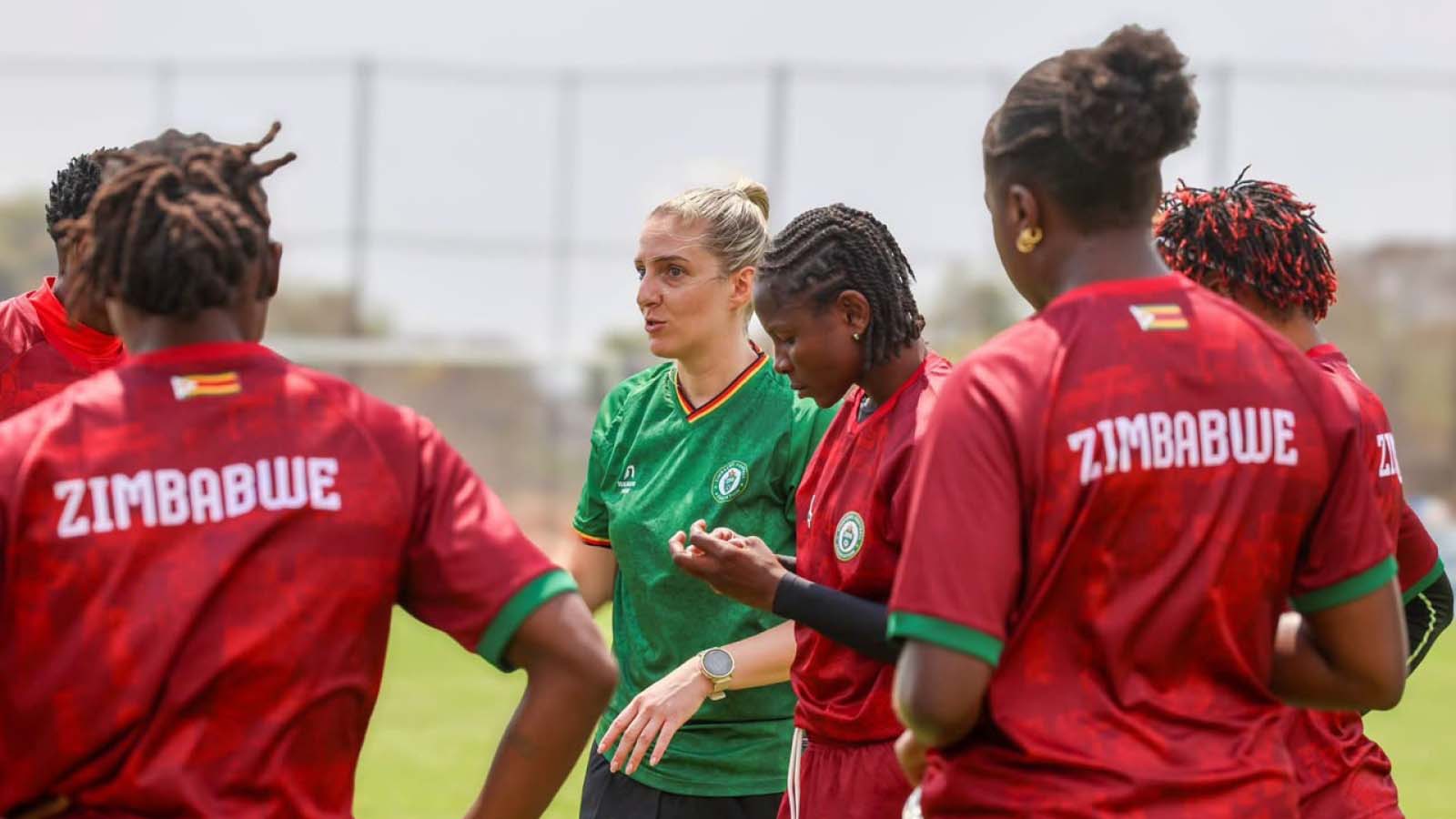
Coach Stella Gotal and her technical team must look honestly at the Malawi matches, identify the technical and tactical shortcomings, and decide what needs to change.
The players also have lessons to take from facing opponents who were better-prepared. That same scrutiny must extend to ZIFA. We have to examine the quality of domestic competition, the routes available to developing players and the resources we commit to women’s football.
Accountability belongs at every level of the game. Closing the gap will take time and sustained investment. Some decisions we make today may only show their full value years from now.
That makes it all the more important to act now and stay with the work when progress is slow. The initiatives going on give us a foundation.
Grassroots festivals, coach development, better player welfare and clearer routes through the game must continue and reach more people. Together, they can help us build a system that identifies talent consistently and prepares our national teams to compete with confidence on the continent.
We cannot change Tuesday’s result. We can decide what follows it.
The Mighty Warriors deserve the backing of their country and a football system that gives them a fair chance to succeed. ZIFA shares that responsibility with clubs, schools, sponsors, the Government and communities across Zimbabwe. Our ambition must stretch beyond recovering from one defeat.
The future of the Mighty Warriors will depend on how seriously we respond, how consistently we invest and how many girls we give the chance to fulfil their potential.
Let us put our support to work in our schools, clubs and communities. Give more girls a place to play, invest in the people who coach them and back the competitions that help them grow.
That is how we turn today’s disappointment into a stronger future for the Mighty Warriors.
The work continues.
Nqobile Magwizi is the president of ZIFA.