Zimpapers Writer
THE Government has approved the theme and programme for this year’s SADC Anti-Sanctions Solidarity Day commemorations, which will be held in Bindura, Mashonaland Central Province, on Sunday, with Zimbabwe seeking to leverage regional integration and global partnerships to accelerate economic transformation.
The commemorations will run under the theme, “Leveraging Regional Integration and Global Partnerships for Economic Transformation beyond Illegal Sanctions”, highlighting the Government’s thrust to expand trade, strengthen regional value chains and unlock new investment opportunities.
Speaking after yesterday’s Cabinet meeting, acting Minister of Information, Publicity and Broadcasting Services Professor Paul Mavima said the concept paper outlining the theme and planned activities was presented by Foreign Affairs and International Trade Minister Professor Amon Murwira and subsequently approved by Cabinet.
He said the commemorations come as Zimbabwe assumes a proactive leadership role within SADC in promoting collective self-reliance and addressing barriers that constrain intra-regional trade and competitiveness.
The focus includes rationalising regulatory, administrative and logistical obstacles to trade, removing tariff and non-tariff barriers and strengthening regional value chains.
These measures are critical to improving the movement of goods and services across the region, lowering the cost of doing business and enabling countries to benefit more from the regional market.
“The commemorations take place at a time when Zimbabwe has assumed a proactive leadership role within SADC in advocating collective self-reliance. This includes championing efforts to rationalise regulatory, administrative and logistical barriers that constrain intra-regional trade and competitiveness, removing tariff and non-tariff barriers, and strengthening regional value chains,” said Minister Mavima.
“The SADC Anti-Sanctions Solidarity Day annual commemoration serves as an opportunity to reflect on the socio-economic toll of these sanctions on Zimbabwe, as well as their broader regional repercussions.”
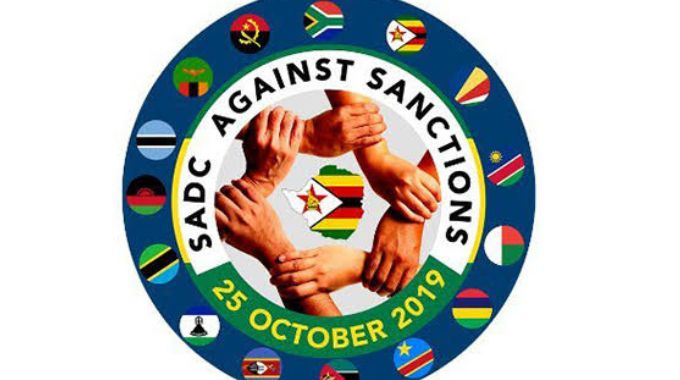
The annual event provides a platform for the Southern African Development Community (SADC) to reaffirm its solidarity with Zimbabwe and call for the unconditional lifting of sanctions imposed against the country by the West.
SADC Heads of State and Government endorsed October 25 as Anti-Sanctions Day at their 39th Summit in 2019, establishing an annual regional platform for member states to express solidarity with Zimbabwe and highlight the economic consequences of the restrictions.
Zimbabwe has since commemorated the day under themes reflecting its position on sanctions and the need for their removal.
This year’s theme places greater emphasis on the opportunities available through regional cooperation and international partnerships, as the country seeks to strengthen its productive capacity and broaden access to markets beyond its borders.
SADC provides a framework for member states to deepen economic cooperation, promote industrialisation and expand intra-regional trade. By reducing barriers to commerce and linking producers to wider markets, regional integration can help countries increase production, attract investment and create employment.
For the country, the approach offers opportunities to expand exports, attract capital and develop industries that can supply regional markets, while reinforcing economic resilience.
The focus on global partnerships also reflects the Second Republic’s intention to use diplomatic and economic engagements to open markets, mobilise investment and access opportunities for value addition and industrial development.
The theme is consistent with Zimbabwe’s broader development ambitions which align with Vision 2030 and the National Development Strategy 2 framework, which prioritise economic growth, industrialisation, investment and improved competitiveness.
The annual commemorations will also provide an opportunity to reflect on the socio-economic effects of sanctions on Zimbabwe and their wider implications for the SADC region.
The sanctions have constrained the country’s access to international finance and investment, while affecting its economic development.
By promoting regional cooperation and global partnerships, Zimbabwe seeks to broaden economic opportunities and strengthen productive capacity, with regional integration serving as a platform for growth.