Mthokozisi Ncube
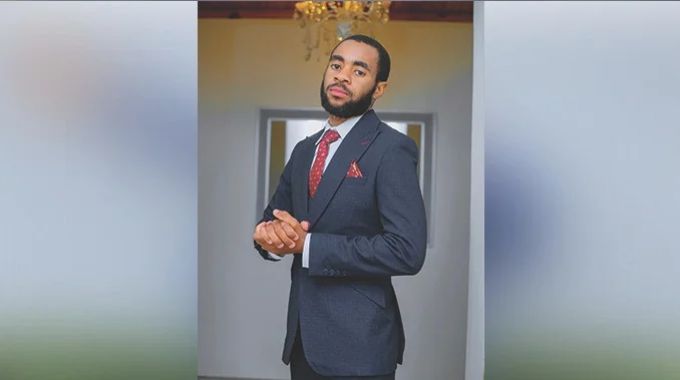
A JOKE that cracks up a Zimbabwean might fall flat with a South African but Zimbabwean content creator Bobby Maro is turning that cultural divide into an opportunity to make his mark in the entertainment industry.
The Zimbabwean-born comedian, who is based in South Africa, is using humour to connect audiences across the Limpopo River while building a digital following and pursuing his bigger dream of becoming an established film and television actor.
Born Eswell Leonel Marongedza in Harare, with his rural home being in Mrewa, Mashonaland East, Maro said one of his biggest challenges has been finding the sweet spot between entertaining audiences from different cultural backgrounds without losing his identity.
“One of the challenges is being fully accepted in South Africa. What Zimbabweans might find funny, South Africans might not find funny,” he said.
His solution is to bridge the gap while staying true to himself.
“I try to bridge the gap so that I please all my fans. I need to do that without losing myself,” he said.
For Maro, being Zimbabwean is not a drawback but an important part of what makes his content distinctive.
“I appreciate being a Zimbabwean. It makes my content diverse and helps me connect with different cultures,” he said. His journey into entertainment began in high school in 2019, when he and his friends moved from making people laugh in their everyday interactions to recording their skits.
“We were shooting out of love,” he said, recalling the early days of their creative journey.
Films and American comedian Kevin Hart helped fuel his interest in acting, although entertaining people had already become second nature to him and his friends.
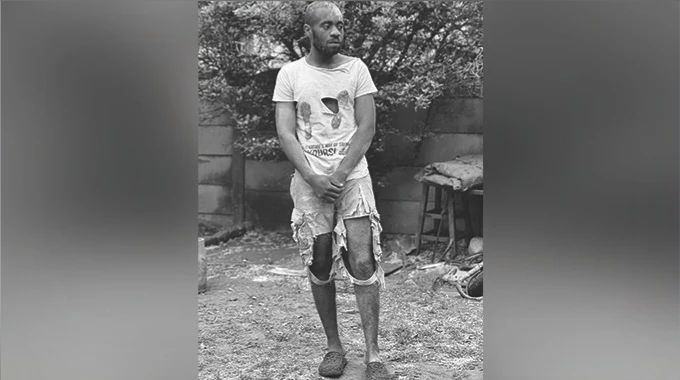
“I am a big fan of Kevin Hart, and movies and soapies inspired me to be an actor,” he said.
Maro’s early journey was built on teamwork. He formed the Versatile Malvern Group with fellow content creators Tebu Curry and Sthera Mondy before they approached Chik Aljoy for guidance.
He credits Aljoy with helping them sharpen their skills and understand the craft.
“We asked him to help us out and he did groom us up until this day. In simple terms, I am a product of Chik Aljoy,” he said.
Maro also spoke warmly of Curry, describing him as a brother who has remained part of his journey from the beginning.
“Tebu Curry is a good brother of mine. He is not a friend but a brother. I have pushed with him in this industry since day one and we are still pushing,” he said.
Although Mondy is no longer actively pursuing content creation, Maro said they remain close friends.
Building a career across borders has not been without its challenges. Besides trying to appeal to different audiences, Maro said access to equipment remains a hurdle, with quality content often requiring phones with good cameras and microphones.
He has also had to contend with criticism and discrimination, experiences he said date back to his high school days.
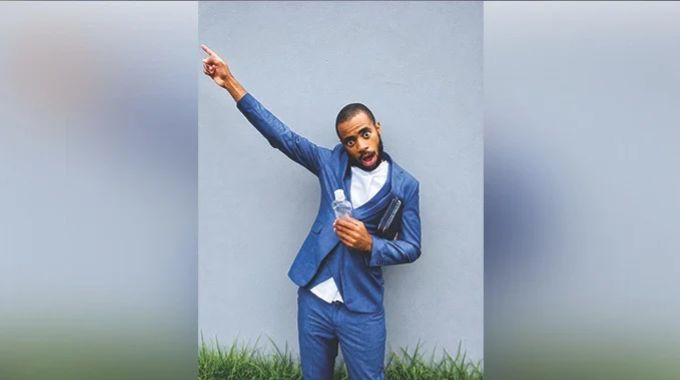
“I have been discriminated against and faced a lot of criticism, even in high school, but I am used to it and I handle it with maturity,” he said.
Despite the challenges, Maro believes content creation can provide a sustainable livelihood for those who approach it professionally.
He said creators can earn through platforms such as Facebook and YouTube, as well as brand partnerships and advertising deals.
“There are platforms like Facebook and YouTube where you can be monetised and earn money, and brands can pay you to advertise. That is how you earn money,” he said.
However, he cautioned aspiring entertainers against assuming that moving to South Africa automatically guarantees success.
“There are a lot of differences. You need to understand the industry you are in. You can be in South Africa and do badly, and in Zimbabwe and do badly. It can be vice versa as well,” he said.
Maro also uses his experience to guide aspiring content creators, sharing advice on monetisation, approaching brands and building their own identities. His message to those hoping to break into the digital entertainment space is simple: start small, remain consistent and learn how the business works.
“Start with what you have. Do not wait for the best phone or camera,” he said.
He urged creators to develop original material rather than imitate others and to take the commercial side of their work seriously.
“Be consistent, brand your own name, do not copy someone. Use your own name and grow. Learn the business side of content creation,” he said.
While digital platforms are helping him build an audience, Maro sees content creation as a stepping stone towards his ultimate goal — acting on bigger stages and screens.
“Content creation is my foundation. It is where I am building my name and my audience, but acting is my long-term dream. I want to be on TV, on film, on big productions. I want to tell stories on bigger screens,” he said.
From high-school skits filmed for the love of entertaining people to creating content for audiences on both sides of the border, Maro is betting that humour can help him cross cultural boundaries — and open the door to a bigger acting career.