Online Reporter
Langalihle Mhiti
Zimpapers Entertainment Hub
BEYOND the glamour, gowns and crowns, the Head-to-Head Challenge at Miss World gives contestants a powerful platform to show what lies beyond physical beauty.
It tests their communication, intelligence, confidence and ability to speak passionately about issues close to their hearts.
This includes their personal journeys, social causes and Beauty With a Purpose projects.
In this year’s edition in Vietnam, contestants have been given about four minutes to share their stories, views and aspirations directly with the world.
The challenge has already produced deeply personal and thought-provoking moments, with contestants speaking about everything from education, healthcare and bullying to disability, environmental protection, loss and identity.
Ultimately, it is about giving the women behind the crowns a voice — and allowing judges and audiences to discover the purpose, personality and convictions that make each contestant unique.
Zimbabwean representative, Brunette Makanyiso, made a passionate case for fighting poverty through skills development, education and individual action.
Speaking during the challenge, Brunette shared her personal approach to tackling poverty, highlighting how communities can create opportunities for vulnerable people even when resources are limited.
“It was very simple, I thought, I don’t have as much resources, what can I do?” she said.
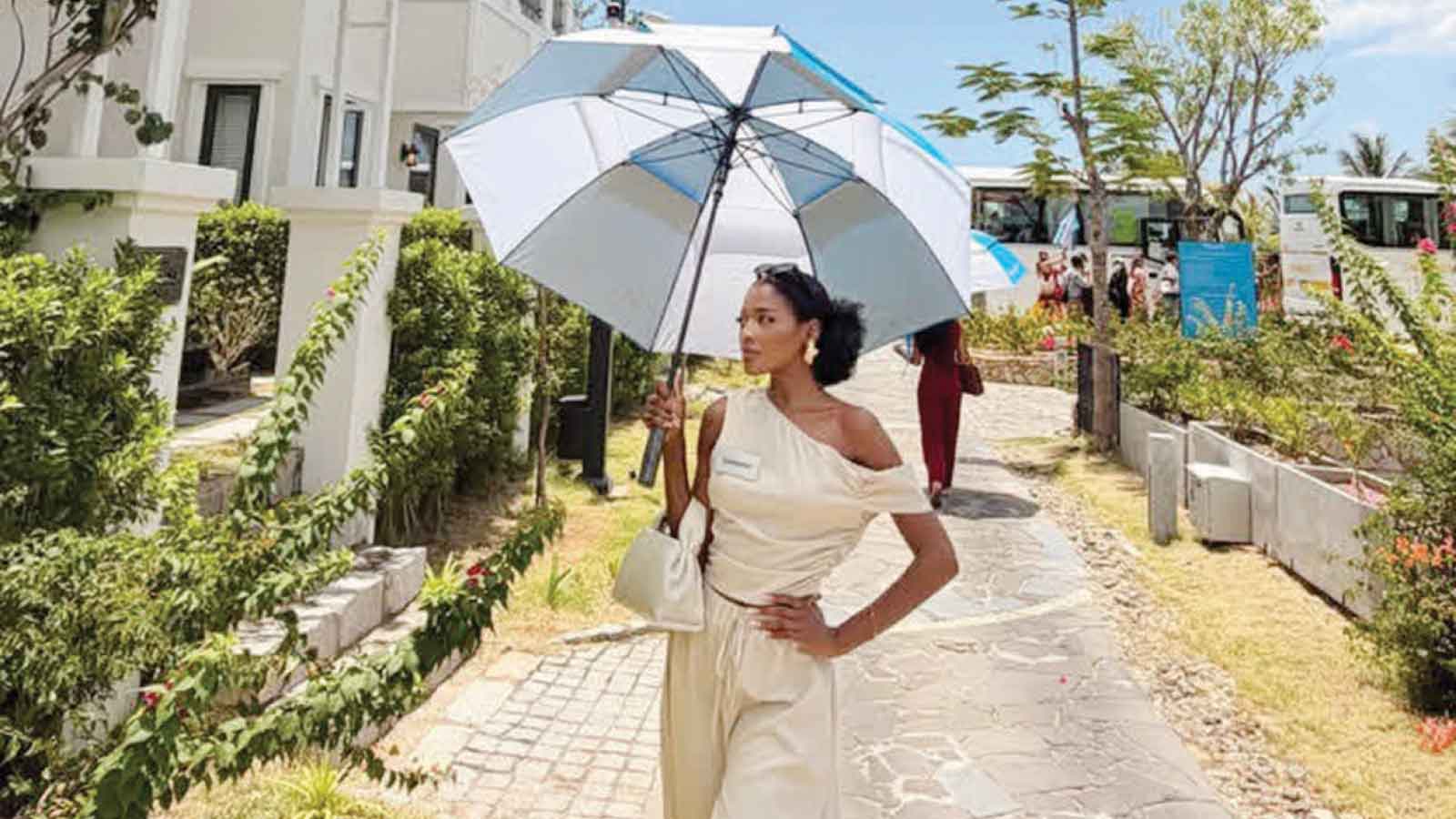
The Zimbabwean beauty queen explained that she began by reaching out to people who possessed practical skills and could pass them on to others, rather than waiting for large amounts of money or institutional support.
“I approached a lady from Jerusalem, called Zita. And she talked to these girls, to train them to become a cutting edge skill,” Brunette said.
She said her initiative grew through identifying skilled people within communities and encouraging them to train others in various trades.
“I said, carpenter, could you please train this kid?” she recalled, explaining that she moved around neighbourhoods connecting young people with opportunities to learn carpentry, baking, sewing and other practical skills.
According to Brunette, the experience taught her that poverty can sometimes be addressed by simply connecting people with the right opportunities and willing mentors.
“And I realised that there’s only people with skills that they can’t give to other people for free. And that’s how we started,” she said. The Miss World Zimbabwe representative also highlighted education as another important weapon in the fight against poverty.
“The next thing that we did, was give them education. We wanted to raise 10,000 dollars,” she said.
Although the target might appear small in comparison with larger development programmes, Brunette said that the money could have a significant impact by helping children remain in school.
“It may seem little, but it involves so many children staying in school,” she said.For Brunette, education represents more than academic achievement, describing it as a pathway to “life and opportunities”.
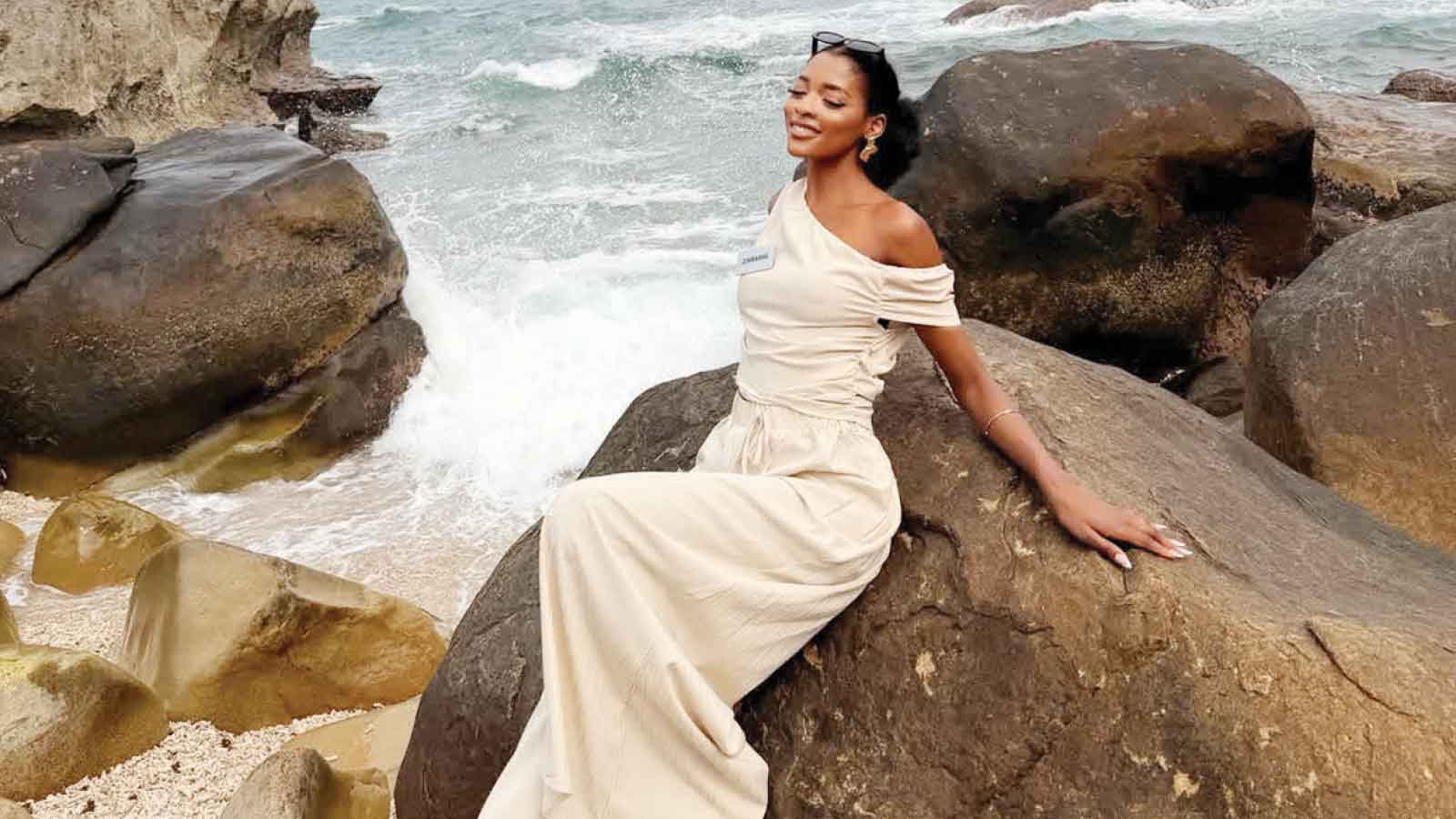
She told the international audience that her experiences had changed the way she viewed poverty, arguing that the biggest obstacle can sometimes be the belief that individual efforts are too small to make a difference.
“The problems seem so big, and my voice, so small. But history tells us a different story,” she said.
Brunette challenged people to recognise that meaningful change can begin with one individual deciding to act.
“Everything we’re willing to do, regardless of our intention, requires just one person to stand up and act,” she said.
Drawing inspiration from the legacy of former South African president Nelson Mandela, she delivered one of her strongest messages of the challenge.
“Overcoming poverty is not a gesture of courage. It is an act of justice. Justice for humanity,” she said.
Brunette’s Head-to-Head appearance forms part of her journey at Miss World 2026 in Vietnam, where contestants are expected to demonstrate not only beauty, but also purpose, leadership and commitment to social causes.
Her message centred on a simple but powerful belief.
Meaningful change does not always require vast resources, but people willing to identify opportunities, share skills and take the first step.
For the Zimbabwean representative, the fight against poverty begins when individuals refuse to remain spectators and instead choose to act.