Gibson Mhaka [email protected]
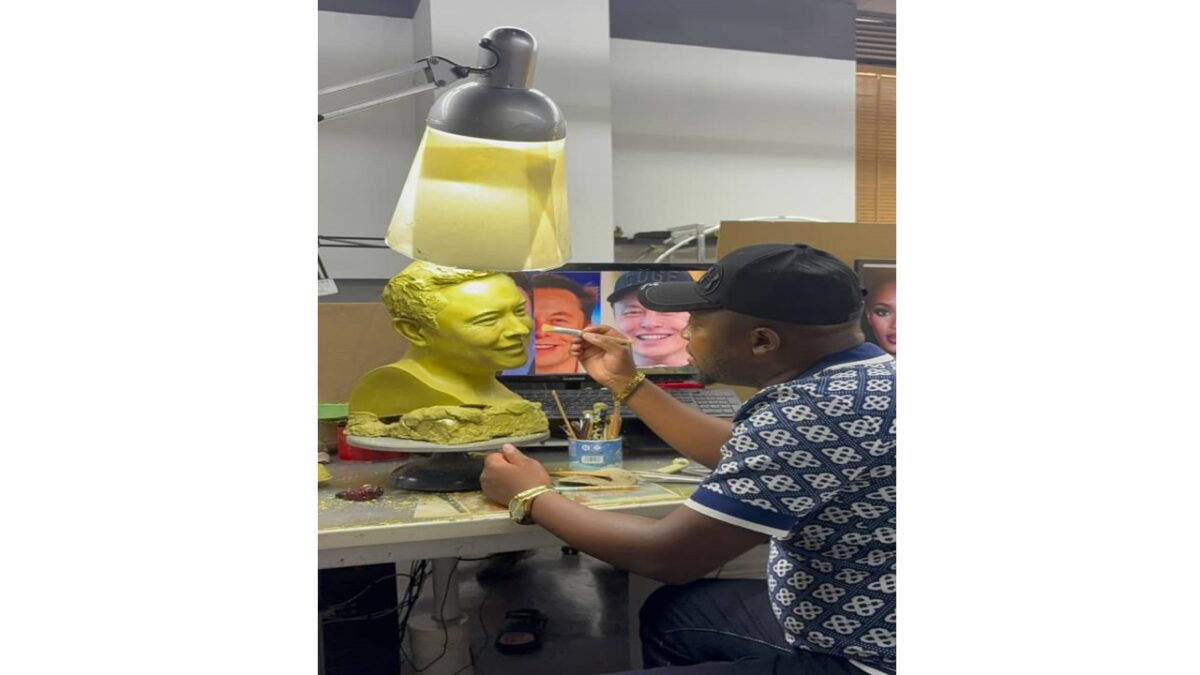
BULAWAYO creative innovator Marshal Chiza is championing the adoption of hyper-realistic sculpture in Zimbabwe, a specialised art form he believes could revolutionise how the country preserves its cultural heritage and honours national icons.
Moving beyond traditional stone and bronze monuments that often rely on symbolic or simplified forms, hyper-realistic sculpting uses advanced materials such as silicone, resin and fibreglass to replicate intricate human details—from skin texture and wrinkles to lifelike facial expressions.
Chiza believes this precision offers Zimbabwe a powerful new medium to immortalise liberation struggle heroes, traditional leaders, sports stars and celebrated musicians for future generations, while also opening lucrative commercial avenues for local creatives.
“There is a lot of potential in this field. We have talented people, but we must continue exploring new techniques and raising the standards of our work,” said Chiza.
Beyond public monuments and heritage preservation, the Bulawayo entrepreneur noted that the craft carries deep personal value for ordinary families seeking lasting, tangible tributes to departed loved ones.
“Art should not only be about creating something beautiful. It should also preserve memories and tell stories. Imagine a family being able to look at a lifelike sculpture of someone they loved and remember the person as they were,” he said.
While hyper-realistic art is widely used in international wax museums, film production, and memorial exhibitions, it remains largely untapped locally due to the high cost of specialised materials and the technical patience required.
Chiza acknowledged that introducing lifelike memorial figures locally requires navigating delicate cultural sensitivities, traditional beliefs, and strict family consent protocols to ensure departed individuals are represented with dignity.
However, he maintains that mastering the discipline could position Zimbabwean artists on the global stage while enriching local museums and cultural institutions with vivid historical storytelling.