Bruce Ndlovu, [email protected]
THE culinary scene in Bulawayo has long been fuelled by more than the aroma of sizzling meat, the clatter of pots in busy kitchens or the steady stream of customers walking into restaurants and takeaways.
Behind every memorable meal is a network of chefs, restaurateurs, suppliers and hospitality professionals whose work keeps the city’s food industry moving.
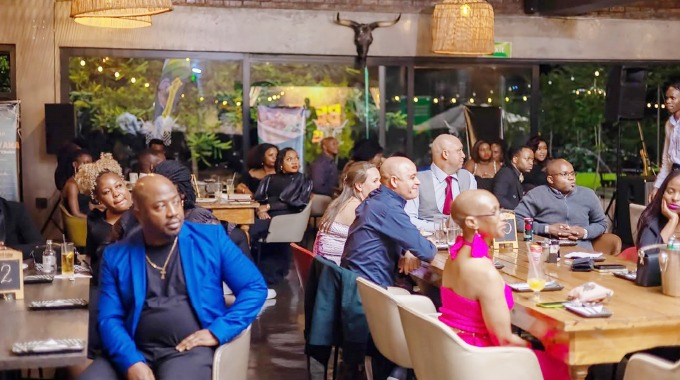
Now, the Bulawayo Eats Awards are seeking to give these players their moment in the spotlight, turning the business of feeding the city into an occasion for celebration, healthy competition and collaboration.

After a maiden edition that demonstrated the appetite for recognising local culinary talent, the awards are preparing to return with bigger ambitions, improved production and a stronger emphasis on bringing the industry together.
In an interview with Sunday Life, founder Shane Manjelo, revealed that the inaugural event was both a learning experience and proof that Bulawayo’s food and hospitality sector was ready for a platform dedicated to celebrating its achievements.
Although securing sponsorship proved difficult, largely because the awards were a new concept in the city, the organisers pressed ahead, ultimately financing the event themselves.
Rather than allowing those early challenges to discourage them, the experience strengthened their resolve to build something that could become a permanent fixture on Bulawayo’s entertainment and hospitality calendar.
“The first Bulawayo Eats Awards showed us that there is a real appetite for recognising and celebrating talent within Bulawayo’s food and hospitality industry,” said Manjelo.
“Our biggest challenge was securing sponsorship because we were introducing a first-of-its-kind event to the city, so we ultimately self-funded the Awards, and we are prepared to do the same again this year.”
Manjelo said the inaugural edition was about more than overcoming financial hurdles, as it demonstrated the value of bringing together people who often operate in the same industry but may not always have opportunities to interact beyond their everyday business dealings.
“Most importantly, the event proved that bringing the movers and shakers of Bulawayo’s food industry together creates valuable opportunities for recognition, networking and collaboration,” he said.

That sense of community is central to the awards’ broader ambitions. In an industry where reputation is often built through word of mouth, customer loyalty and the ability to consistently deliver a satisfying experience, public recognition can provide an additional incentive for businesses to distinguish themselves.
Manjelo said he believed that the prospect of being nominated for, and ultimately winning, an award can inspire businesses to raise their standards.
“Recognition creates aspiration and healthy competition. When restaurants, takeaways, chefs and hospitality professionals know that excellence is being recognised publicly, it encourages them to improve their food, service, presentation, innovation and overall customer experience,” he said.

The stakes extend beyond the awards themselves. Food is an everyday necessity, but the business built around preparing, serving and selling it is also an important part of the city’s economic life.
From established restaurants to neighbourhood takeaways, the sector provides employment and opportunities for entrepreneurs seeking to turn their culinary skills into viable businesses.
Recognising excellence, therefore, is not simply about handing out trophies or providing winners with bragging rights. It is also about encouraging a culture in which quality, innovation and
professionalism become increasingly important to the way businesses operate.

“The food and hospitality sector is one of Bulawayo’s most important employers, so recognising the people and businesses driving it forward can have an impact far beyond the Awards themselves.
We want being nominated for, and ultimately winning, a Bulawayo Eats Award to become a recognised mark of excellence that encourages the entire industry to continuously raise its standards,” Manjelo said.
Such ambitions come at a time when the customer experience can be just as important as the food on the plate. Diners are increasingly exposed to different culinary influences and have varied expectations when they walk into an establishment, whether they are looking for a quick takeaway, a relaxed dining experience or a place to celebrate a special occasion.
For local businesses, meeting those expectations requires more than simply preparing a good meal. Consistency, presentation, service and the atmosphere of an establishment can all influence whether a customer returns.
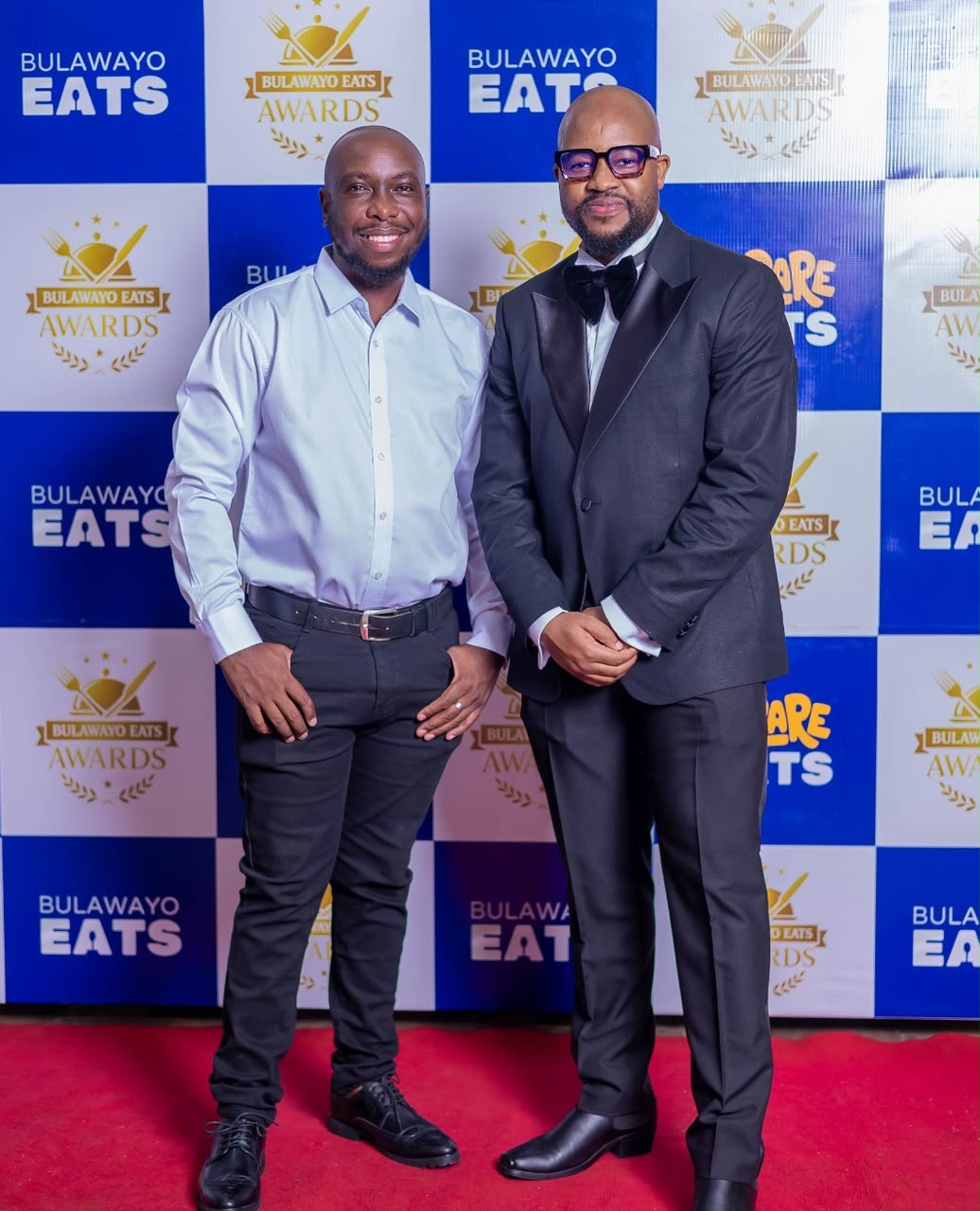
The Bulawayo Eats Awards hope to make excellence across these different aspects of hospitality something worth pursuing and celebrating. Manjelo said if the inaugural edition provided the blueprint, the next instalment is expected to build on that foundation.
“This year we intend to raise the stakes with increased attendance, a bigger production, more entertainment and an improved menu,” he said.
The proposed changes suggest an event that seeks to combine the formal business of recognising outstanding performers with the lively atmosphere associated with food, music and social gatherings. Manjelo said the event should not be confined to a single evening of announcements and celebrations but should instead also create opportunities for people across the industry to establish relationships, exchange ideas and identify ways of working together.

“Our vision is for the Bulawayo Eats Awards to become the city’s premier annual gathering for the food and hospitality industry — not simply an awards ceremony, but a platform for recognition, networking, collaboration and industry development.
“We want restaurant owners, chefs, suppliers, hospitality professionals, entrepreneurs and other stakeholders in the same room, building relationships that can create opportunities long after the event ends,” he said.
In a city defined by a distinctive food culture shaped by local tastes, established dining traditions and an evolving hospitality scene. From familiar local favourites to more experimental menus, there is room for businesses to celebrate that identity while finding new ways to appeal to diners.

Manjelo said the goal is to help create an environment in which businesses are encouraged to improve continuously and where the city’s culinary talent receives greater recognition.
“Ultimately, our ambition is to help build a stronger culinary culture in Bulawayo where excellence is celebrated, talent is recognised, businesses continuously improve and the city becomes increasingly recognised as a serious culinary destination,” he said.