Online Reporter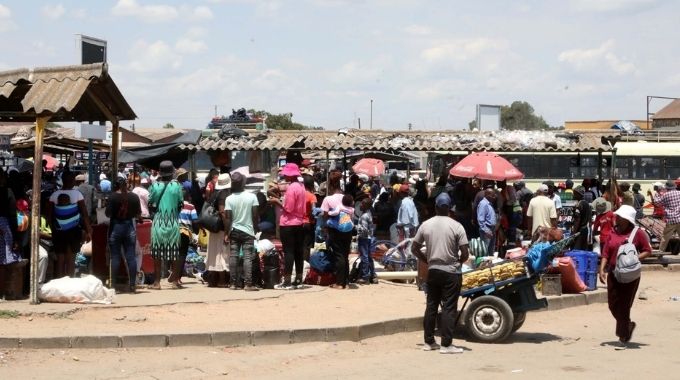
Peter Matika, [email protected]
ENGINES roar to life before dawn, conductors call out destinations as travellers drag heavy bags through the crowds, while vendors weave between buses in search of one more sale. For thousands of people who pass through Renkini Bus Terminus every day, it is a familiar scene.
But beneath the noise, movement and activity lies growing frustration. Bulawayo’s oldest bus terminus, for generations the departure point for travellers heading to destinations such as Harare, Gwanda, Nkayi and Filabusi, is showing unmistakable signs of ageing infrastructure.
For commuters such as Mbongiseni Dube, every journey begins with a stark reminder that the facility on which they depend has been neglected.
“There are no ablution facilities and it is deeply concerning that such a facility, used by hundreds if not thousands of people, has been forgotten and left to rot like this,” he said.
For travellers carrying heavy luggage, elderly passengers and families travelling with children, the shortcomings are even more evident.
Renkini is not merely a bus terminus. For many visitors arriving in Bulawayo and residents leaving
the city, it serves as the first or last impression of Zimbabwe’s second-largest city.
Interviews with commuters suggest the facility no longer reflects that important role.
“We have used this terminus for years and we feel like it has been forgotten. For us as traders, Renkini is also a source of survival,” said Sambulo Nkomo, a trader operating at the terminus.
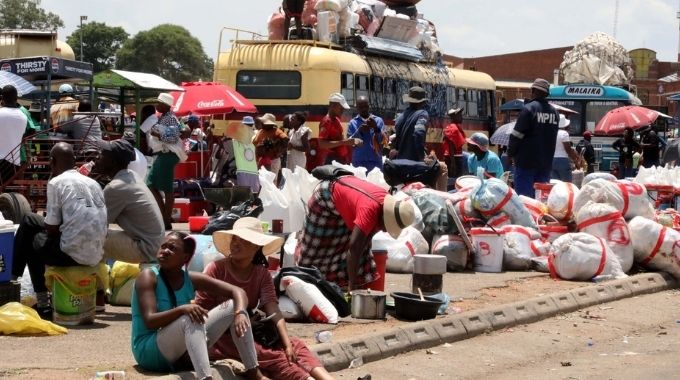
The constant flow of passengers provides a ready market for food, beverages, airtime, clothing and other goods.
Every arriving and departing bus represents a potential customer, but traders say the ageing infrastructure and persistent congestion are making it increasingly difficult to earn a living.
Some traders fear that redevelopment could temporarily disrupt their businesses, but acknowledge
that the terminus can no longer continue operating in its current condition.
“At the same time, refurbishment of this place may affect our business, but it is much needed. If left like this, this place will become a haven for criminal activity. Already it is, but it might become
worse,” said one vendor.
The challenges at Renkini extend beyond the terminus itself. Residents living in neighbouring areas say the constant movement of buses, passengers and traders has brought congestion and noise into their daily lives.
One Makokoba resident said the absence of proper boundaries around the facility had created additional safety concerns for families living nearby.
“I live here in Makokoba and the noise is unbearable. This rank needs to be fenced, either by bricks or wire. There is too much movement and noise here and our children often wander off and play there and it is risky,” said the resident.
For bus operators, traders and commuters alike, Renkini has become a symbol of a public transport system struggling to keep pace with the demands of a growing city.
The city’s own transport assessment acknowledges that Renkini, the principal terminus serving buses operating along southern and eastern routes, has become unattractive to some operators because of its deteriorating infrastructure.
The situation has contributed to some intercity and cross-border buses operating from undesignated points within the Central Business District, worsening congestion and undermining efforts to restore order to Bulawayo’s public transport system.
According to Bulawayo’s master plan, Renkini is the oldest of the city’s three country bus termini and has an estimated capacity of around 70 buses.
Bulawayo Mayor Councillor David Coltart said the terminus had not outlived its usefulness, but urgently required refurbishment and expansion.
“It needs to be upgraded. In my view, it is not big enough to service all these buses. It is indeed run down, but the facility really needs to be refurbished,” he said.
Clr Coltart said the Egodini redevelopment project would also play an important role in complementing Renkini and reducing pressure on the ageing facility.
In 2022, Bulawayo City Council resolved to seek investors for the redevelopment of the terminus under a Build-Operate-Transfer arrangement or through partnerships with private developers.
A year later, the local authority engaged a consultancy firm to undertake a feasibility study for the proposed redevelopment.
Momentum gathered again in 2025 when council invited bids for the reconstruction and refurbishment of Renkini Bus Terminus, with the procurement process funded through internally generated revenue.
The tender sought the reconstruction of the country bus terminus, raising hopes that years of proposals and feasibility studies could finally translate into visible development.
Financial services company Mukuru also expressed interest in partnering with Bulawayo City
Council on the rehabilitation of Renkini as part of broader efforts to revitalise urban infrastructure.
But for the people who use the terminus every day, plans and proposals offer little immediate relief.
They continue to contend with congestion, inadequate passenger facilities and the steady deterioration of a transport hub that has connected Bulawayo to the rest of the country for decades.