Online Reporter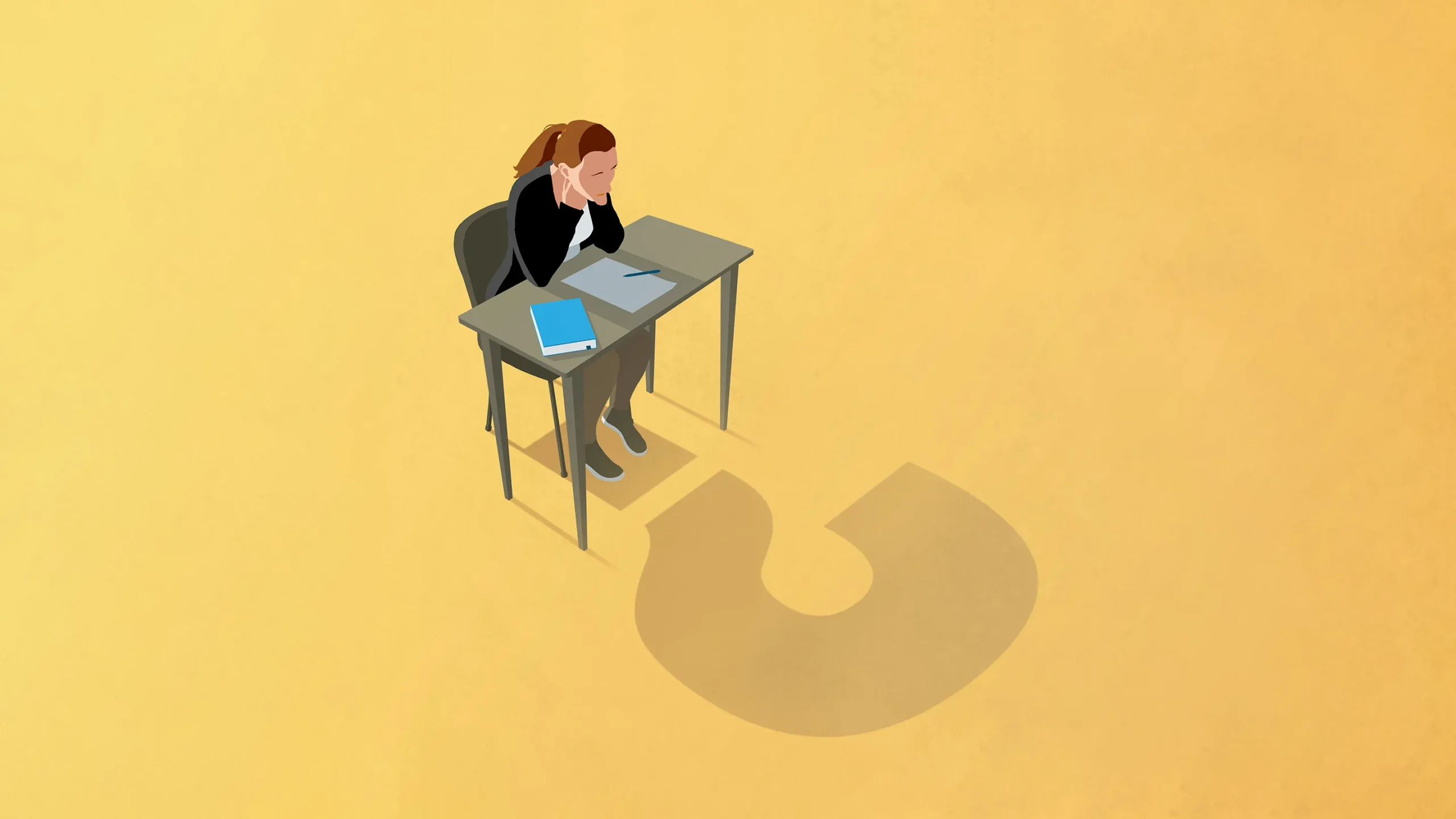
Latwell Nyangu
Youth Interactive Writer
Learning is often treated like a straight jacket, attend lectures, study hard, pass exams and move forward.
But for many students, reality does not feel that simple.
Life on and off campus includes interruption, financial worries, mental health challenges, family responsibilities, uncertain relationships, and the constant pressure to be productive.
Over time, students begin to realise that what they call learning can sometimes be nothing more than repeating old patterns.
That is why students should unlearn to learn.
Unlearning is not giving up.
It is the deliberate process of removing what slows growth, so that true learning can take root.
This week, I am encouraging students and young people to learn from unlearning.
On campus, students may believe that success comes only through memorisation and late-night studying.
Many thanks for supporting Campus Reflections Show.
The show is growing and wd continue to call for support and partnerships.
Some students learn to chase grades rather than build understanding.
They learn to keep quiet in class because they fear being wrong.
They learn to treat mistakes as failure instead of evidence that they are trying.
I have observed that in many learning institutions, the system rewards performance, not necessarily curiosity.
As a result, students become comfortable with surface-level knowledge that sounds impressive but disappears quickly.
This is where unlearning becomes powerful. Students have to unlearn the belief that learning only happens in lecture halls or during exam season.
They need to unlearn the mindset that their only goal is to be “right,” because the deeper goal of education is to grow mentally, socially, and emotionally.
Unlearning also matters because campus life brings different forms of pressure.
Some students carry the burden of comparing themselves with others.
They see classmates posting achievements and assume those people had it easier. Others struggle with anxiety and feel like they are always behind.
There are students who have to work part-time jobs while attending classes, and others who handle family obligations that do not pause just because they enrolled in university.
In such an environment, students may develop coping habits that protect them in the short term but damage them in the long term.
For instance, a student may avoid group discussions to avoid judgment.
Another may pretend they are okay to avoid asking for help.
Another may stop trying because repeated setbacks made them feel powerless. These responses are not weakness but they are often survival techniques.
But unlearning is the moment a student decides these techniques will no longer define their future.
To unlearn is to return to yourself with honesty.
It means accepting that the old way of coping is not the old way of succeeding.
Students should unlearn the fear of failure, because failure is not the opposite of learning it is often the beginning of it.
A student who learns from mistakes will improve faster than a student who avoids them. Unlearning perfectionism is also necessary.
Perfectionism creates delay.
It makes a student wait until everything is flawless before submitting work, applying for opportunities, or speaking up.
But in real life, progress usually happens through drafts, practice, and corrections.
When students unlearn perfectionism, they start producing consistently, improving through feedback instead of waiting for approval.
As students move off campus or finish their studies, unlearning becomes even more relevant.
Life outside university demands skills that are not always taught in classrooms.
Students learn how to manage money, handle responsibilities, make decisions, and communicate with people who are not connected to their academic journey.
Some students feel confident because they passed exams, but they struggle to manage time, handle stress, or keep routines once the structure of university is removed.
This is another form of unlearning, letting go of the idea that discipline is only needed during exams.
Learning must continue after classes because adulthood does not pause.
Young people must unlearn the belief that everything will work out automatically.
They must learn how to build systems habits that keep them steady even when motivation fades.
This is also where relationships and wellbeing come into the picture.
Students often focus only on grades and achievements, but life requires balance.
A student who sacrifices sleep for productivity may feel productive for a while, but eventually burnout takes over.
A student who avoids emotional support may function on the surface, but internally they become exhausted and discouraged. Unlearning here means accepting that mental health is not a distraction. It is part of performance.
When students unlearn the shame around seeking help, they open the door to resilience.
They become better learners because they protect the mind that does the learning. Unlearning is perhaps most clearly tested during the job hunt.
Young people should unlearn the habit of thinking their worth is limited to what a résumé displays.
They should unlearn the belief that professional networking is something fake or embarrassing.
Networking is simply relationship-building connecting with mentors, classmates, and professionals who can guide opportunities.
It also means unlearning comparison.
Comparing yourself to others does not help you become better; it only drains your energy.
In a job hunt, persistence is a skill.
It is learned.
It grows through trying again, improving the cvs, adjusting interview answers, and learning from feedback.
That is unlearning and learning at the same time removing outdated approaches and replacing them with methods that actually work.
So if students should unlearn to learn, the next question is, what should they learn after unlearning?
They should learn to reflect, because reflection turns experience into growth.
Students should learn to practice, because real learning is not passive, it happens when you do the work, seek feedback, and improve.
They should learn to ask better questions, because curiosity accelerates understanding.
They should also learn to care for their whole life, not just their academic performance.
Sleep, discipline, and emotional support are all part of becoming capable.
Finally, young people should learn to build networks and find mentors, because success is rarely a solo journey.
Unlearning clears space, but learning fills that space with purpose.
Most importantly, unlearning requires patience. Change does not happen overnight. Old habits feel familiar, even when they hurt.
It can feel slower at first to approach life differently.
Unlearning is a process of becoming.
It is a decision to stop repeating patterns that lead to temporary relief but long-term limitation.
In the end, students should unlearn to learn because education is not only about collecting information.
It is about developing a mindset that can adapt. Whether you are still studying, recently graduated, or searching for a job, unlearning can help you move forward with clarity.
It removes what weighs you down and teaches you what will actually support your future. Unlearn the fear that keeps you silent.
Unlearn the excuses that keep you stuck. Unlearn the habits that steal your focus.
Then learn again, on purpose, with courage, and with hope.
Until we meet for a toast at the show
Feedback: nyangu.latwell27 @gmail.com