Online Reporter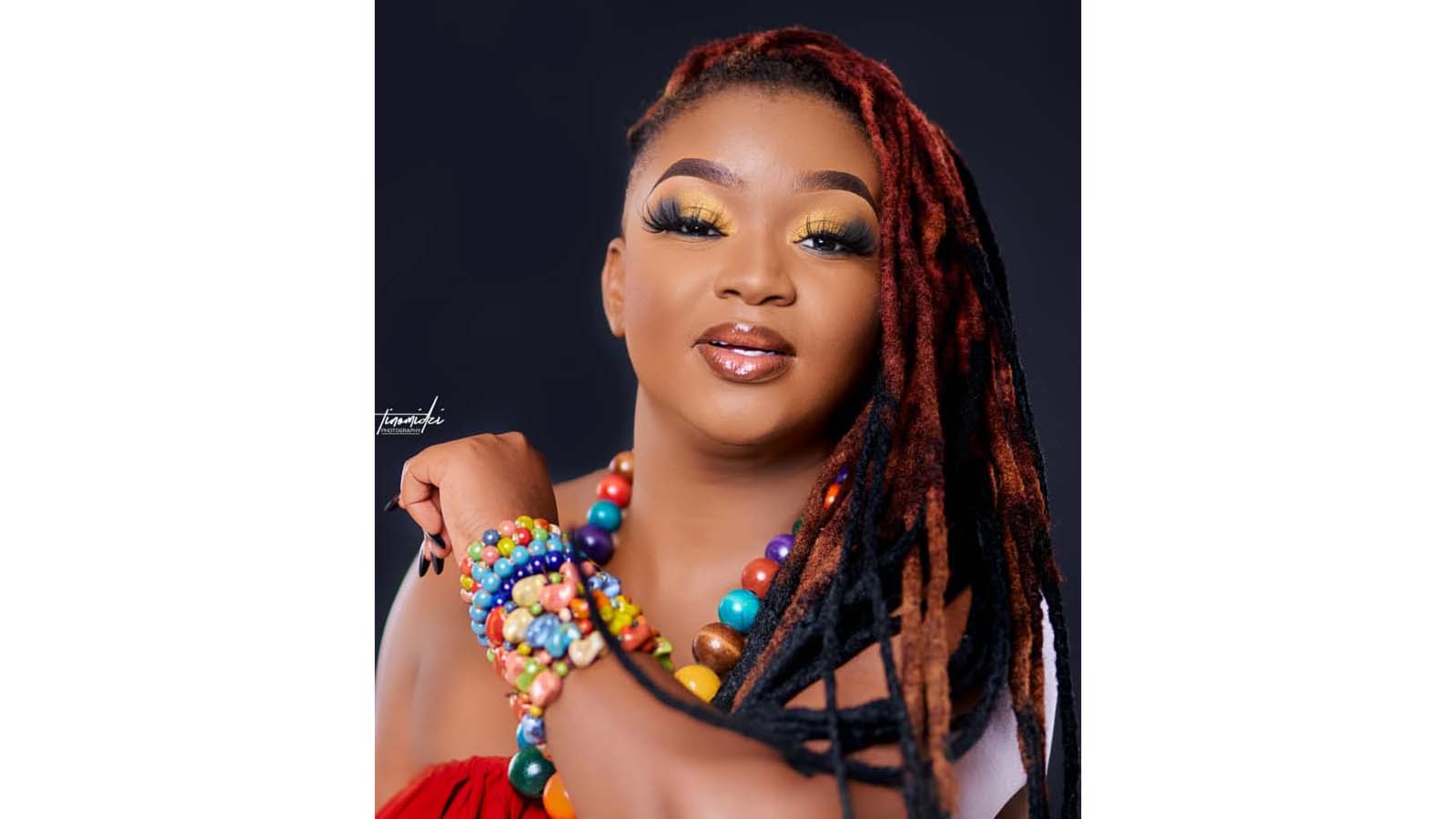
Zimpapers Entertainment Hub
THE battle lines have been drawn.
The debates are raging.
The bets are on.
With less than 19 days before Feli Nandi’s “Fill Up HICC” concert, Zimbabwe’s arts industry is asking one explosive question:
Can Feli Nandi become the first Zimbabwean female musician to fill the Harare International Conference Centre (HICC), or is she taking the biggest gamble of her career?
There is no middle ground.
Either she walks away having rewritten Zimbabwean music history, or she joins the long list of celebrated artists who discovered that HICC is far easier to book than it is to fill.
For decades, HICC has been regarded as Zimbabwe’s ultimate music battlefield.
It is where careers are elevated, legends are cemented and, sometimes, dreams are brutally exposed.
Only a select few have conquered the venue.
The late music icon Oliver Mtukudzi did it with ease.
Jah Prayzah has repeatedly demonstrated his pulling power, while Alick Macheso has packed the venue through the unwavering support of his legion of fans.
Winky D, too, should be added to that list.
Gospel giant, Minister Michael Mahendere, also proved that faith-based music could command one of the country’s biggest indoor stages.
But HICC has equally become a graveyard for overhyped “fill-up” campaigns.
Several big-name musicians have promised packed houses only to perform before rows of empty seats, exposing the harsh reality that viral moments and social media followers do not always translate into people buying tickets.
That is why Feli Nandi’s announcement has shaken the entertainment industry.
Not because she is talented, few would argue against that, but because she is daring to challenge a ceiling many believe still exists for female musicians in Zimbabwe.
If she succeeds, she will not only fill a venue.
She will break a psychological barrier that has lingered over the local music industry for years.
Ironically, the biggest talking point is no longer the concert itself.
It is the line-up.
When the show was first announced, many expected Feli Nandi to deliver a production built entirely around herself – a Zimbabwean version of Beyoncé’s celebrated Homecoming performance, where one artist carried an entire stadium-sized spectacle through live vocals, choreography, storytelling and stagecraft.
Fans imagined an uninterrupted celebration of Feli’s catalogue, backed by dancers, a live band and theatrical production.
Instead, organisers have unveiled EXQ and Tammy Moyo as supporting acts.
The announcement has divided opinion.
Some have welcomed the move, arguing that bigger line-ups attract bigger crowds in Zimbabwe.
Others believe it sends the wrong message.
“If this is a Fill Up Feli concert, why not trust Feli alone?” questioned one music fan on X.
Another argued: “Beyoncé didn’t need supporting acts at Homecoming. If we’re saying Feli is ready for HICC, let her own that stage.”
Others disagree entirely.
“This is business, not ego,” another fan responded online. “People are paying for an experience. If EXQ and Tammy help sell tickets, why not?”
The debate has become bigger than Feli.
It has exposed a long-standing question within Zimbabwe’s entertainment industry:
Do Zimbabweans genuinely support solo concerts, or do they only buy tickets when several headline acts share one stage?
Promoters privately admit that local audiences often prefer festivals and multi-act concerts because they feel they get more value for money.
That market reality has forced many headline acts to rely on guest appearances.
Whether Feli’s decision reflects strategy or necessity is something only ticket sales will answer.
Still, she is leaving nothing to chance.
Discounted student tickets, promotional partnerships and a nationwide roadshow have all been rolled out as the countdown intensifies.
Her campaign has already stopped in Kwekwe, Chegutu, Marondera, Gweru, Mutare, Masvingo and Kadoma, with fans turning out in large numbers.
There is little doubt about Feli Nandi’s credentials.
From her days as a backing vocalist with Mhodzi Tribe to becoming one of Zimbabwe’s most decorated female performers, she has consistently produced hits including Mufudzi WeMombe, Munhu Wangu, Muranda, Ndoona Iwe and Unotyei.
She has collected NAMA and Zimbabwe Music Awards accolades and built a respected brand that extends into fashion.
But awards do not fill HICC.
Only people do.
On August 14, the applause, the lights and the music will matter.
Yet when the curtains open, everyone – from fellow musicians and promoters to critics and fans – will be looking beyond the performance.
They will be looking at the seats.
Because when the final ticket is counted, Zimbabwe will finally have an answer to the question that has set the arts industry buzzing: Is Feli Nandi about to make history – or is HICC about to remind everyone why it remains the toughest stage in Zimbabwe?