Amos Mpofu [email protected]
THE Ministry of Health and Child Care has recorded notable progress in improving health and nutrition outcomes in Matebeleland through its care group initiatives, which are empowering communities with practical skills to promote healthier lifestyles and strengthen household resilience ahead of the anticipated 2026/2027 Super El Niño-induced drought.
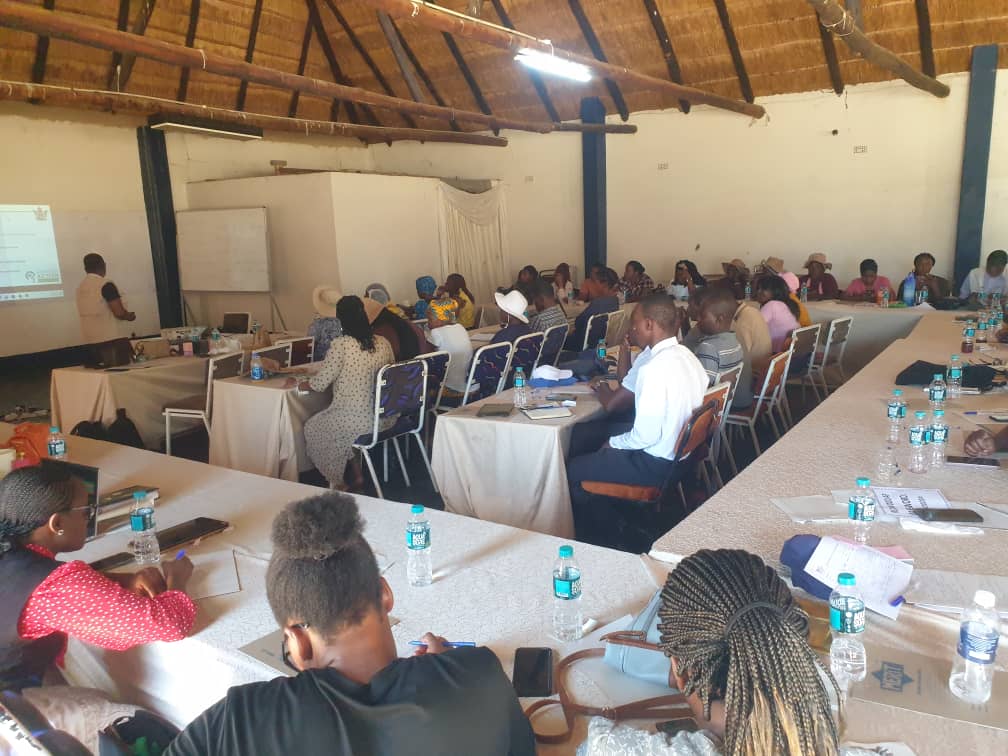
The initiative was showcased during a care group learning event held at Redwood-Figtree in Bulilima District yesterday, bringing together care groups from Mangwe, Bulilima, Beitbridge, Matobo, Binga and Tsholotsho districts.
The gathering provided a platform for participants to exchange knowledge and experiences on improving household nutrition, adopting healthier lifestyles and making effective use of locally available resources to withstand the anticipated drought.
Care groups are volunteer-led, community-based structures that promote health and nutrition, particularly among mothers and children under the age of five.
Launched in 2017, the programme seeks to improve health outcomes, reduce child mortality and encourage greater community participation in promoting healthier lifestyles.
The initiative is a collaborative effort between the Government and development partners, including the United Nations Children’s Fund (Unicef), the World Health Organisation (WHO), World Vision and the Enhanced Livelihood and Nutrition Adaptation (ELINA) project, funded by Germany’s Federal Ministry for Economic Cooperation and Development (BMZ) and implemented by Welthungerhilfe (WHH) and the Community Technology Development Trust (CTDO).
Speaking to Zimpapers on the sidelines of the event yesterday, Matabeleland South Provincial Food and Nutrition Security Committee secretariat member Mr Innocent Mazarura said the programme had made a positive impact not only in the province but across the country.
“This programme brings together care groups from different districts so that we can share knowledge and improve this programme. I can therefore attest that care groups and District Food and Nutrition Security Committees (DFNSCs) are significantly improving nutrition outcomes in our areas,” he said.
“They have enhanced community engagement, improved health knowledge and supported vulnerable mothers and children, leading to reduced stunting and wasting among children under five years and increased exclusive breastfeeding rates.”
Mr Mazarura said the National Food and Nutrition Security Committee continue to strengthen co-ordination, resource allocation and capacity-building to improve the implementation of nutrition programmes.
He said the multi-sectoral approach brought together Government departments and development partners to tackle malnutrition through interventions such as promoting exclusive breastfeeding, establishing nutrition gardens and encouraging other sustainable community-based initiatives.
“It is a multi-sectoral approach where Government departments work together to end malnutrition by promoting good behaviours such as breastfeeding, nutrition gardens and other initiatives,” he explained.
This year’s learning event also placed emphasis on climate resilience, with care group members receiving training and exchanging experiences on livelihood initiatives that can help households adapt to the effects of climate change.
“This approach helps to capacitate and empower communities to mitigate, adapt and become resilient to climate change, as our partners will be helping us to come up with plans to deal with the atrocities of climate change,” said Mr Mazarura.
He described the gathering as a success, saying participants had the opportunity to see, hear and learn from practical initiatives being implemented by other communities.
He said the knowledge gained would enable participants to replicate successful interventions and introduce innovative ideas in their respective communities.
“They are going to teach in their communities and better their communities by starting some of the things they did not think were possible, as well as innovating from this learning session,” he said.
Mr Mazarura said the commitment demonstrated by community members and their leaders was encouraging, as it reflected their appreciation of the importance of improved health and nutrition.
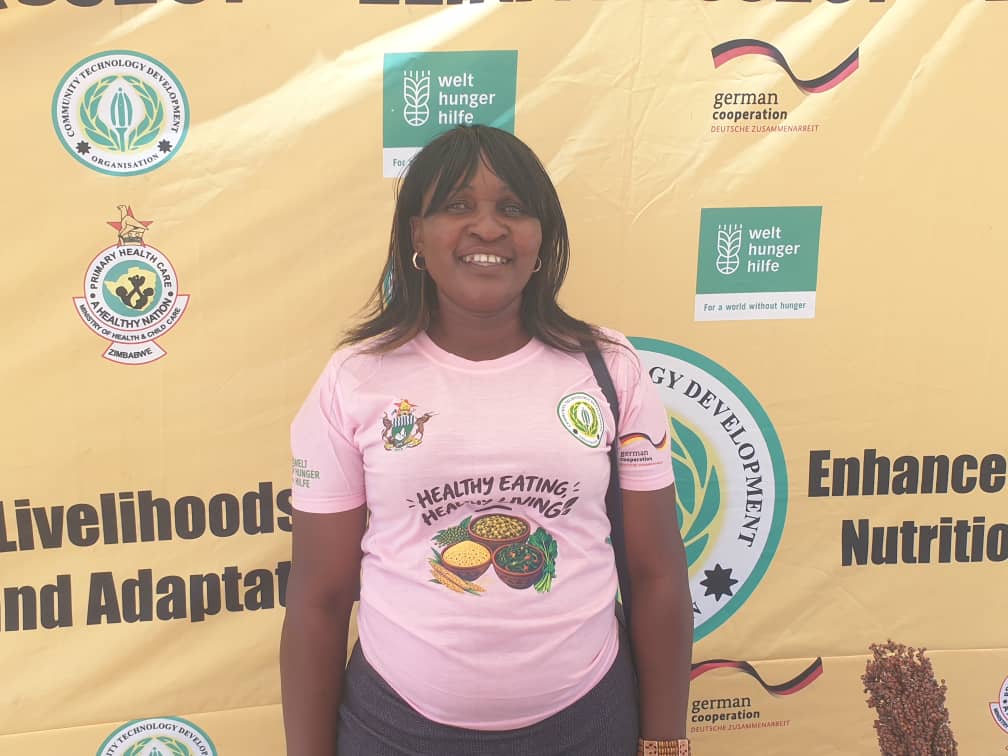
Meanwhile, CTDO care group lead mother Mrs Senzeni Ncube expressed gratitude for the programme, saying it had equipped mothers with practical knowledge on improving household nutrition using traditional crops and locally available resources.
“We are very happy to be part of this initiative, as it teaches us a lot,” she said.
“As mothers in our communities, we have learnt a lot about taking good care of our children and feeding them healthier diets made from our traditional crops and indigenous resources.”
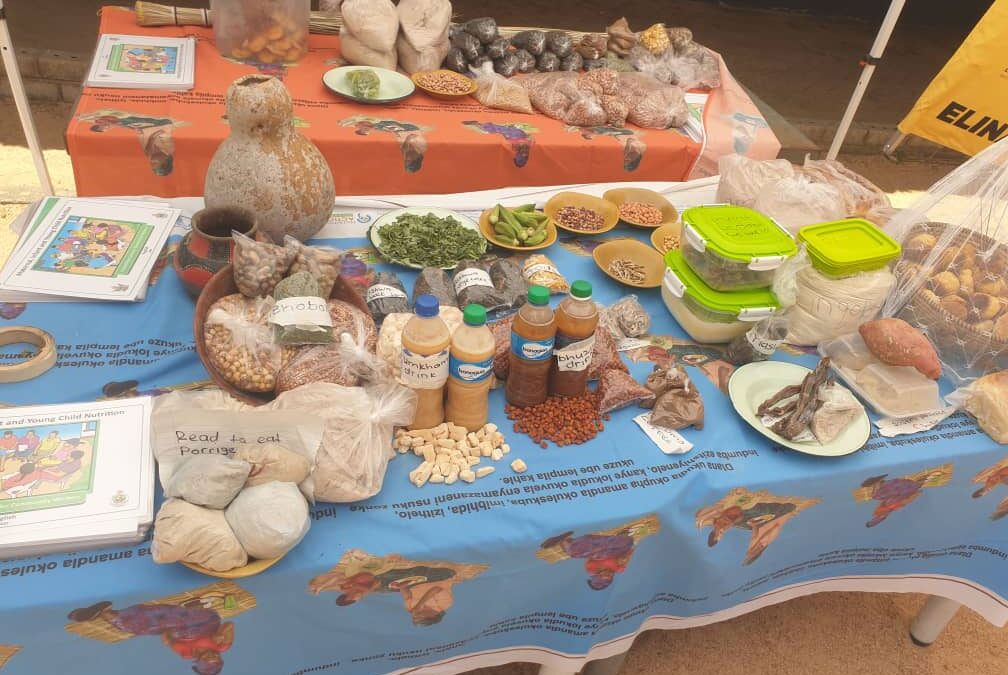
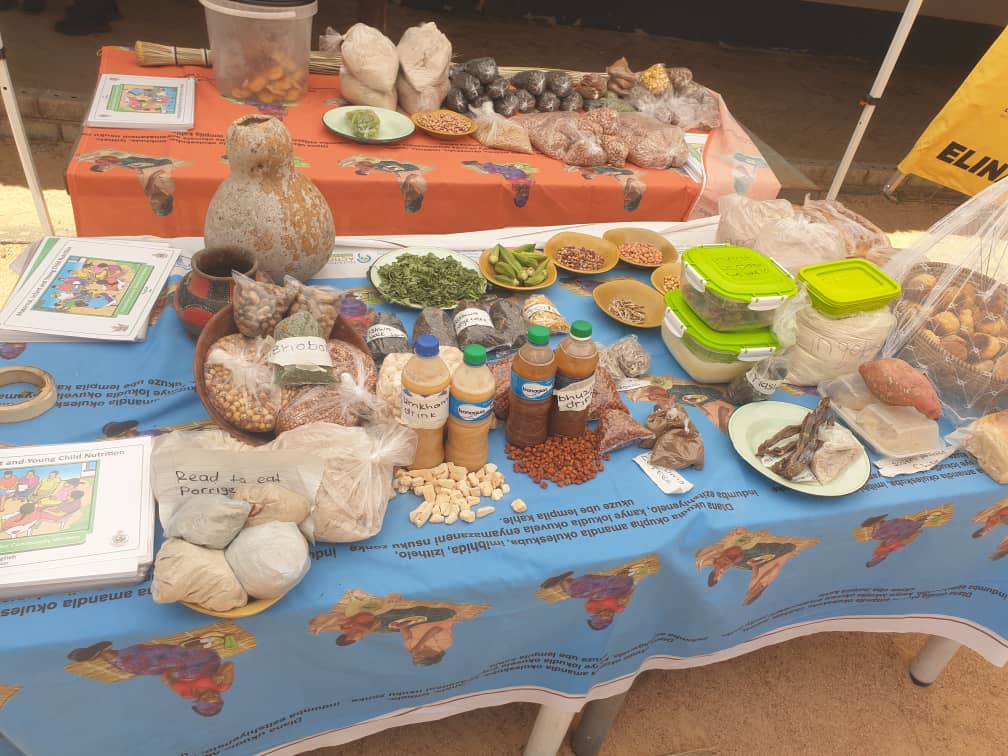
Mrs Ncube demonstrated various nutritious food products prepared from traditional crops and indigenous resources, including processed porridges, drinks, fruits and herbal teas.
She also explained the nutritional benefits of the different products, highlighting the nutrients they contain and pointing out the iron content of baobab seed tea.
Ms Juliet Moyo, a care group member from Bulilima under GOAL Zimbabwe, also commended the learning initiative, saying participants were eager to transfer the knowledge acquired to their communities.
“We have learnt a lot here and we are going to impact our communities with new knowledge and implement it,” she said.