Online Reporter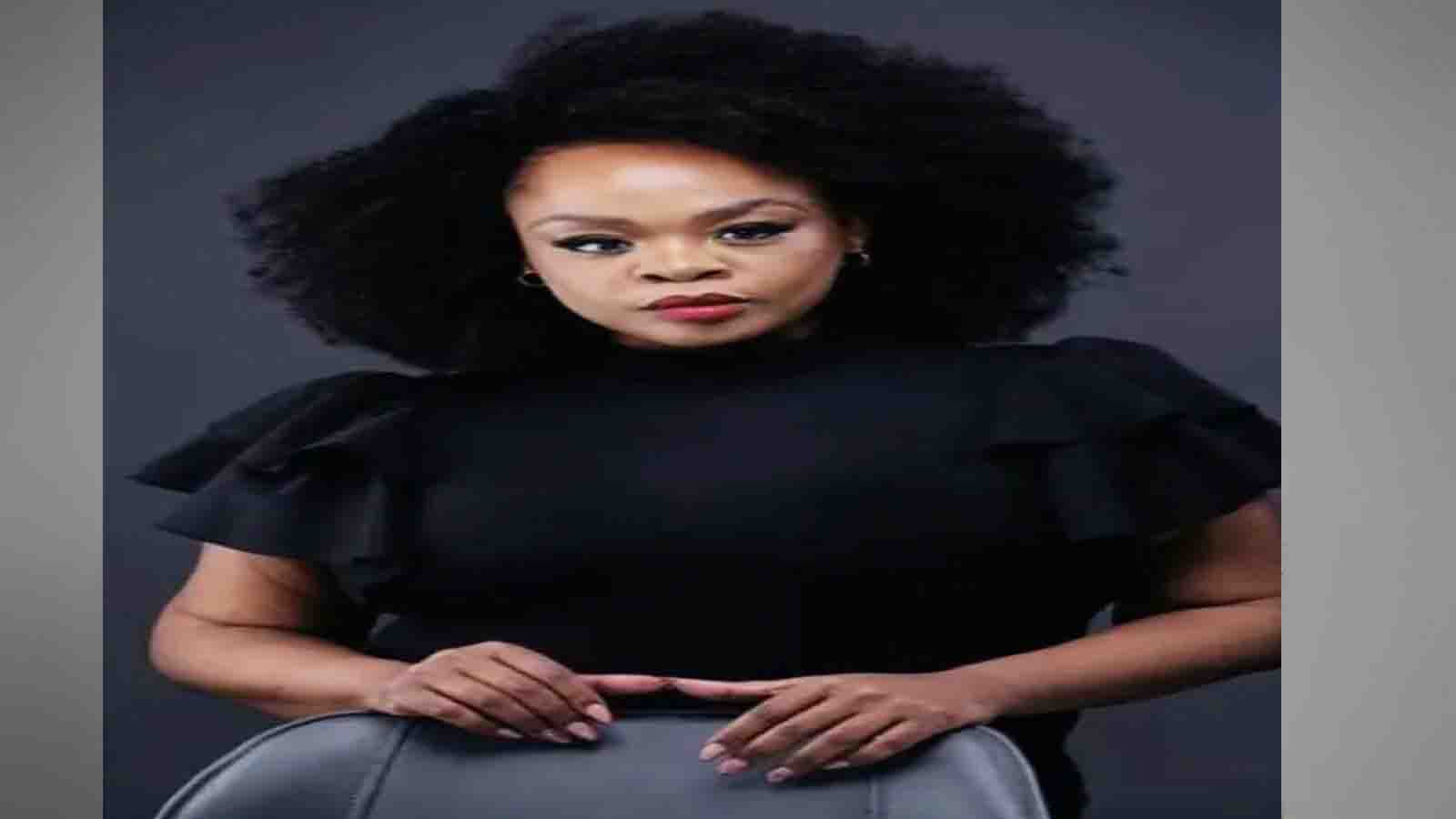
For decades, conversations around gender-based violence in South Africa have largely focused on violence against women in intimate relationships. But journalist and columnist Cassandra Gudlhuza is turning attention to another form of abuse that often remains hidden behind closed doors: violence perpetrated by fathers against their children.
Gudlhuza explores her own experience of paternal violence in her debut memoir, “Unfathered: Surviving Paternal Brutality to a Life Reclaimed and Unshamed”.
The book, released as South Africa marks Literacy Month, chronicles four decades of her life, including her childhood in a home shaped by her father’s violence. For Gudlhuza, writing the memoir meant confronting a painful history she had carried for years and breaking a silence that she believes extends beyond individual families.
“The silence isn’t only kept by abusers. It’s kept by all of us. By the people who love us and still ask us to protect the person who hurt us.”
Breaking a family silence
Gudlhuza, who has spent more than two decades in the media industry, has built a reputation for tackling difficult subjects with candour.
In “Unfathered”, however, she turns that same honesty towards her own life.
The memoir recounts growing up with a father who was a respected lawyer in Soweto but whose behaviour at home was markedly different. Gudlhuza writes about calling the police on him as a child, only to see officers laugh and interact with him, as well as being thrown out of the family home at night.
The experiences became a secret she carried for decades before deciding to tell her story publicly.
When abuse stays inside the home
The decision to publish the memoir was not met with universal ease.
Gudlhuza says one of the questions she repeatedly encountered from friends and family was whether she was certain she wanted to reveal something so personal. For her, the reaction highlighted the very silence she wanted the book to challenge.
The question was particularly significant given that many of those around her supported public conversations about gender-based violence and accountability.
Yet, when the alleged perpetrator was someone within their own family, Gudlhuza found that the conversation became considerably more difficult.
Challenging how South Africa talks about GBV
At the heart of ‘Unfathered’ is an examination of what Gudlhuza describes as a blind spot in South Africa’s gender-based violence conversation.
While considerable attention has been given to intimate partner violence, abuse between parents and children can remain difficult to discuss.
Gudlhuza argues that cultural expectations surrounding fatherhood can contribute to that silence.
“Fathers are providers. Fathers are heads of households. What happens inside a man’s home is his business.”
She believes these ideas can create an environment in which abuse is hidden, minimised or treated as a private family matter rather than confronted.
A memoir about the mother, too
Although the book centres on Gudlhuza’s relationship with her father, it also pays tribute to her mother, Rose Esther Boyama, to whom the memoir is dedicated.
The 31-chapter memoir moves between Gudlhuza’s childhood in Limpopo, which she describes as a period of warmth and safety, and the move to Johannesburg, where her circumstances changed dramatically.
Years later, the discovery of a devastating family secret would further alter her understanding of her childhood and family history.
Gudlhuza approaches her parents differently on the page, writing about her mother with tenderness while confronting her father’s actions directly.
Rather than offering an uncomplicated story of forgiveness, the memoir focuses on truth, accountability and the process of reclaiming her own story.
Finding language for survival
The timing of the memoir’s release during Literacy Month has also given Gudlhuza’s story added significance.
While Literacy Month traditionally celebrates reading and writing, “Unfathered” explores another dimension of literacy: having the language to identify and articulate personal experiences that may have been suppressed for years.
For Gudlhuza, putting her experiences into words became part of reclaiming them.
“I wrote ‘Unfathered’ for myself. But I also wrote it for every woman who has been asked to keep a secret that was never hers to keep.”
She added: “Your story belongs to you. The silence has protected the wrong people for long enough.”
Readers respond to “Unfathered”
Since its release, the memoir has prompted conversations on social media, with early readers sharing their responses to Gudlhuza’s story and its broader themes. The reaction has highlighted how many people recognise themselves in experiences that are rarely discussed openly.
For Gudlhuza, that response reinforces the need for difficult conversations about abuse within families and how silence can allow it to continue – IOL.