Tafadzwa Zimoyo-Zimpapers Entertainment Editor
The return of music sensations Ex Q and Enzo Ishall, alongside dancehall heavyweight Winky D, at the Castle Lager Braai Day Festival points to a growing reality in Zimbabwe’s entertainment industry: familiar names remain valuable currency in live music, even as promoters seek fresh talent and new experiences.
When the festival returns to Glamis Arena this weekend, the attraction will be more than a collection of performances.
With more than 10 local artistes and DJs on the bill, the event banks on a mix of established musicians, emerging per-formers and Zimbabwe’s enduring braai culture to draw audiences seeking a complete entertainment experience.
The question is why established acts continue to feature prominently at recurring festivals, and what their return says about audience loyalty, commercial strategy and the changing nature of live entertainment.
For promoters, booking familiar artistes is often a calculated decision. Established performers bring recognisable catalogues, existing fan bases and stage reputations that can help generate interest before the first ticket is sold.
Their names provide an immediate marketing hook, particularly in an industry where organisers must persuade audiences that an event is worth their time and money.
But returning to a festival is not necessarily a sign that an artiste has exhausted their appeal.
In many cases, it demonstrates the strength of a relationship between performers and audiences. Fans do not always attend concerts solely to discover new music; they also return to hear songs that have become part of their lives, experience the energy of a familiar performer, and share that excitement with others.
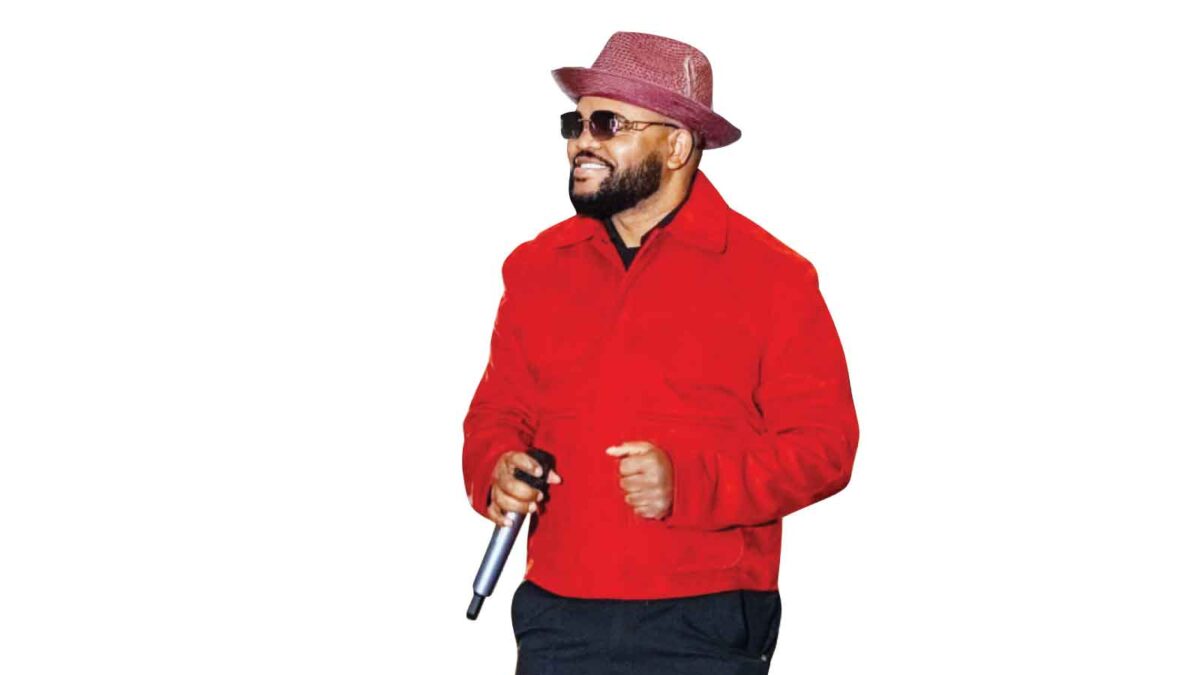
Ex Q, whose career stretches back to Zimbabwe’s urban grooves era, illustrates the enduring value of musical familiarity.
His presence bridges generations of listeners, connecting audiences who grew up with the genre to those who continue to follow his contemporary work.
Enzo Ishall brings a different dimension through his association with Zimdancehall, a genre that has maintained a strong connection with Zimbabwe’s popular culture.
His music and performance identity offer another route into the festival for audiences drawn to the energy of local dancehall.
Winky D, meanwhile, adds the pulling power of one of the country’s most recognisable dancehall performers. His repeated appearances at the festival demonstrate the commercial appeal of an established headliner, although the wider programme suggests that Braai Day is not relying on one musician alone to define its identity.
That distinction matters.
A festival built entirely around a single star can become vulnerable to changes in availability, popularity or audience expectations. A broader line-up spreads the attraction across different performers and gives people more reasons to attend.
The inclusion of Jnr Spragga, Atenda Chinx and DJ Loz also raises an important question about the opportunities available to emerging talent. Sharing a stage with established performers can expose developing artists to audiences they might not otherwise reach. Yet exposure alone is not enough; its real value lies in whether it translates into new followers, bookings and sustainable careers.
For Zimbabwe’s live music industry, the challenge is to balance commercial security with creative renewal.
Established acts can anchor a festival, but emerging musicians help keep the programme evolving.
If the same names dominate every major event without opportunities for others to grow, the industry risks limiting the very talent pool on which its future depends.
However, Braai Day is not simply a music festival, and that is where its proposition becomes more interesting.
The braai is a familiar feature of Zimbabwean social life, bringing friends and families together around food, conversation and music. Castle Lager has built its event around this tradition, turning a popular leisure activity into a larger lifestyle experience. This gives the festival a broader identity than a conventional concert. The performers provide the soundtrack, but the braai creates the social setting in which audiences can connect beyond the stage. It is an attempt to sell not just a performance, but an occasion.
The introduction of Castle Braai O’Clock, scheduled for 3pm to 4pm, reinforces that approach.
The activation will feature a braai master contest and other competitions, with merchandise and prizes on offer.
By encouraging participation, the organisers are creating another attraction for festival-goers beyond the headline performances.
The strategy also extends into the build-up to the event, with nationwide trade activations at popular braai venues offering opportunities to win tickets, chilled Castle Lager and other prizes. These promotions bring the festival into everyday social spaces, generating anticipation before the main gathering at Glamis Arena.
From a commercial perspective, this is experiential marketing: a brand creates an occasion through which consumers can engage with its identity.
But the success of such a strategy depends on the event delivering genuine entertainment value rather than feeling like a promotional exercise.
Ultimately, the Castle Lager Braai Day Festival reflects the balancing act facing Zimbabwe’s entertainment industry.
Promoters need familiar names to attract audiences, but they also need fresh performers and distinctive experiences to keep those audiences interested.
On October 17, the music will be the immediate draw, while the braai and social atmosphere will provide the wider experience. The longer-term test is whether the festival can make each edition feel sufficiently fresh while retaining the familiarity that has helped establish its identity.