Online Reporter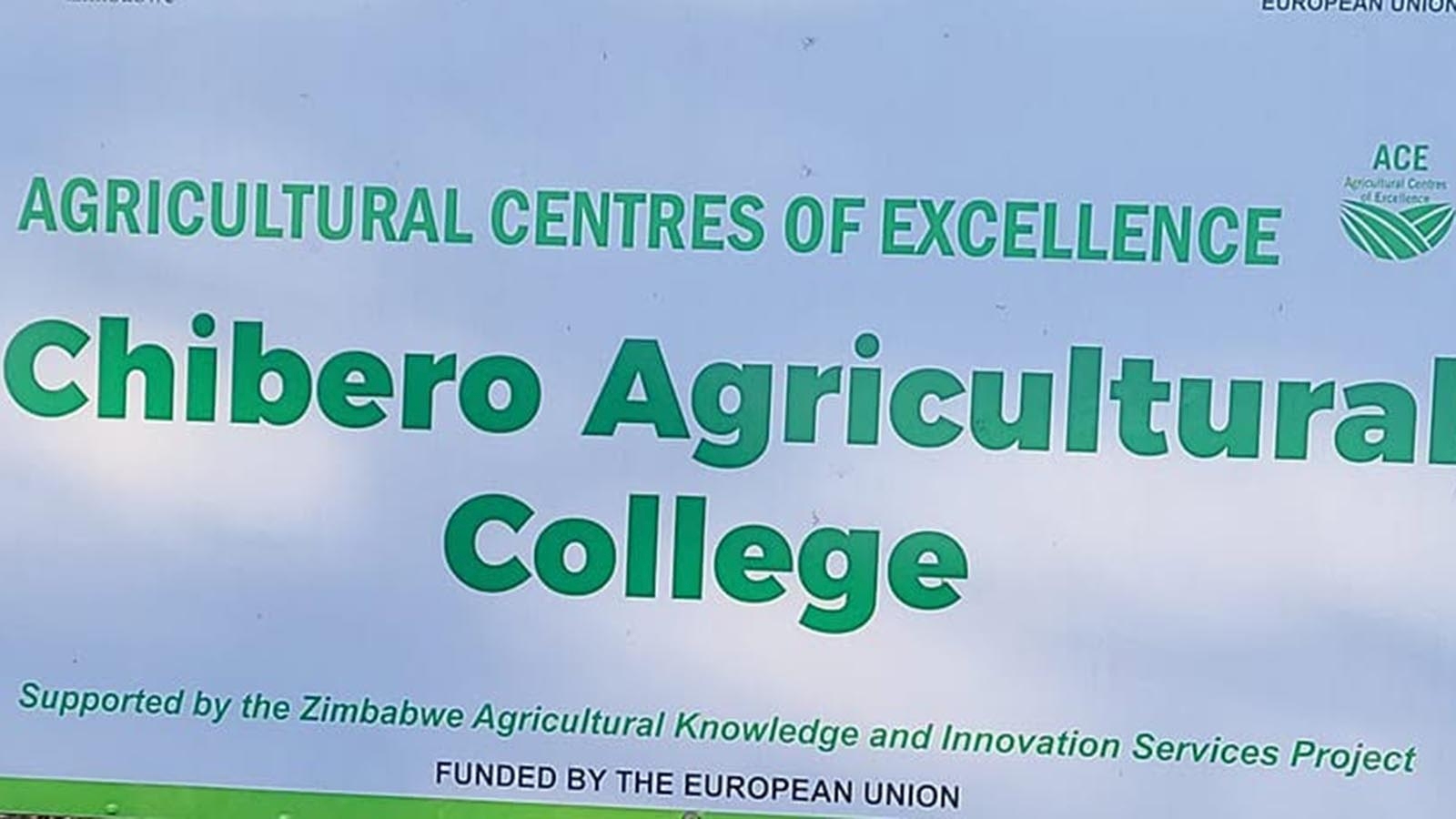
Conrad Mupesa
Mashonaland West Bureau
A TOTAL of 2 387 students have graduated from Chibero Agricultural College in Mhondoro-Mubaira, Chegutu, since the institution opened its doors in 1961, underscoring the institution’s longstanding contribution to Zimbabwe’s agricultural development.
On Friday, the college held its 62nd graduation ceremony, with 41 students receiving diplomas after completing their three-year agricultural programmes.
Females constituted about 63 percent of the graduating class.
The graduation comes as Chibero intensifies efforts to align agricultural training with the Government’s Education 5.0 thrust, with students receiving practical exposure through crop production, livestock management, animal health, farm enterprises and emerging technologies.
Overall best student Mr Justine Mashumba said he intends to use the knowledge and practical skills acquired at Chibero to support agricultural development in his home community of Muzarabani.
“A lot of people from Muzarabani, where I come from, do not have agricultural knowledge. I hope to help my community so that we have food self-sufficiency and sustainability,” he said
Chibero principal Mr Philip Mushayi said the college is producing graduates that are capable of applying scientific knowledge to some of the major challenges confronting Zimbabwe’s agricultural sector, particularly climate change.
He said agricultural professionals have a critical role to play in helping farmers adapt to increasingly erratic weather patterns and reducing the impact of droughts.
“This group is going to research, innovate and proffer solutions to the climatic challenges faced by Zimbabwe. Zimbabwe has faced droughts before, but what we want is to minimise the effects,” he said.
Agriculture, Mechanisation and Water Resources Development Minister Dr Anxious Masuka, who presided over the graduation, challenged the graduates to view agriculture as a business and use their skills to contribute to the country’s economic transformation.
“We are promoting agriculture as a business rather than just a way of life. We are anchoring our Vision 2030 on the backbone of full agricultural production, so the clarion call remains that our students should take a leading role in developing this sector,” he said.
Dr Masuka said the transformation of agricultural education from Education 2.0 to Agriculture Education for Development 5.0 seeks to produce graduates who can move beyond seeking employment to creating value, businesses and jobs.
“Vision 2030 is driven by agriculture in a business context. This is why agriculture education was changed from Education 2.0 to Education 5.0,” he said.
He challenged the graduates to take their training into farming communities and help improve agricultural production through innovation, technology and climate-smart practices.
The minister also highlighted the importance of soil health, saying farmers need to pay greater attention to soil fertility and acidity as part of efforts to raise productivity and strengthen national food security.
His call comes at a time when the Government is intensifying climate-smart agriculture interventions amid concerns over increasingly erratic rainfall and drought risks.
In August, Dr Masuka warned farmers about the economic cost of drought and urged them to adopt water-conserving farming practices.
The practical orientation of Chibero’s training is reflected in activities taking place on its farm, where students gain hands-on experience in crop and livestock production.
According to the college, IBIS Farm, which has a partnership with Chibero, has entered into an agreement with a major supermarket to supply beef from the college.
The project targets to supply 200 beef carcasses every week.
The college is also strengthening livestock breeding and animal health management, while plans are underway to irrigate maize to provide feed for pen-fattened steers.
It has recorded challenges posed by January disease (theileriosis), although regular dipping has helped protect the herd so far.
To address in-breeding in its dairy and beef herds, the college has also decided to phase out the use of natural bulls and introduce artificial insemination.
The artificial insemination equipment is already in place, with the college reporting successful use of the technology in its piggery and plans to extend it to the dairy and beef herds.
The developments are consistent with the Government’s wider push for improved livestock genetics, disease surveillance, feedlot development and better animal health management under National Development Strategy 2.
Chibero’s farm is therefore serving a dual purpose, providing students with practical training while also supporting commercial agricultural production.
Currently, the college has 195 students, with 122 based at the institution and 73 undertaking agro-industrial attachments, giving learners exposure to real-world agricultural enterprises.
Technology is also increasingly becoming part of the college’s learning environment.
The institution is also at an advanced stage of digitising academic records, while students continue to access electronic resources through the University of Zimbabwe’s e-library.
Developments demonstrate the increasing integration of information and communication technologies into agricultural education, allowing students to access research, digital learning resources and agricultural information.