
Daniel Chigunwe in NINGXIA, China
Zimpapers is looking to strengthen its digital transformation by leveraging artificial intelligence (AI) to improve newsroom efficiency, expand audience reach and build sustainable digital business models, drawing lessons from China’s evolving media landscape.
Zimpapers Head of News Lawson Mabhena said the experience of Chinese media organisations offered valuable insights for Zimbabwean newsrooms seeking to build on existing digital initiatives while adapting to changing audience preferences and financial pressures.
“The tour of Ningxia Radio and Television really puts into perspective what we are grappling with back home. This is not about replacing journalists with AI, but about using AI to make our newsrooms more efficient, competitive and far-reaching while protecting the human elements of journalism that audiences trust,” said Mabhena.
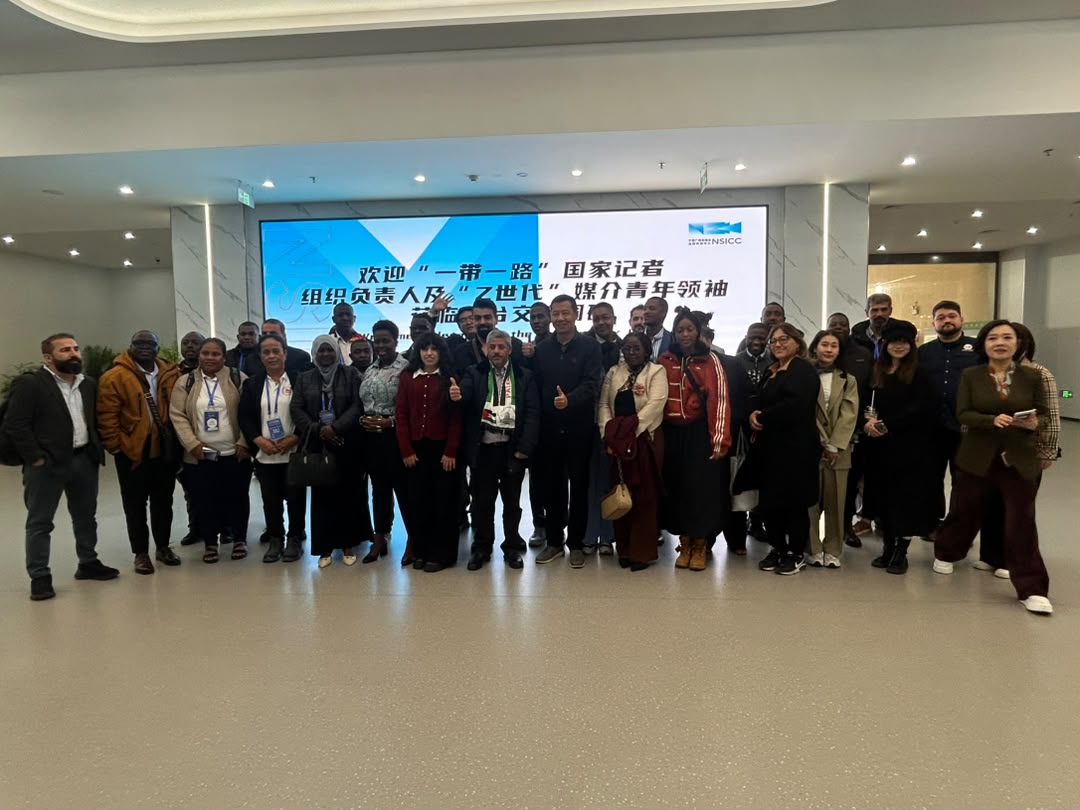
He was speaking after a tour of Ningxia Radio and Television in China’s Ningxia Hui Autonomous Region by a delegation attending the Seminar for Heads of Journalist Organisations from Belt and Road Countries, organised by the Research and Training Institute of China’s National Radio and Television Administration.
Zimpapers, which publishes leading titles including The Herald, The Sunday Mail and The Chronicle, has been expanding its digital presence through online news platforms and social media, enabling its publications to reach audiences beyond traditional print readership.
The experience in China presents an opportunity for the Zimbabwean media group to build on these efforts by embracing emerging technologies to streamline content production, improve audience engagement and explore new digital revenue streams.
Mabhena said Ningxia’s approach demonstrated how media organisations could combine technological innovation with investment in skills, content verification and professional ethics to remain competitive in a rapidly changing industry.
The Chinese broadcaster distributes content across 54 social media platforms, publishing approximately 600 news posts daily and reaching about 10 million people through social media.
The scale of its operations highlights the potential of integrated digital platforms to expand news distribution and connect media organisations with audiences across multiple channels.
“For Zimbabwean media, which is navigating financial pressures and audience shifts, the lesson from Ningxia’s model is that embracing AI alongside investment in skills, verification and ethics is the path to a sustainable digital future,” he said.
Tao Wang of Ningxia Huanghe Cloud Converged Media reinforced the importance of technology in modern content production, saying: “To create attractive content, we need AI to assist us.”
During a presentation, Satellite TV Director Zhang Ran outlined how AI can support journalists through writing assistance, translation, video production, data analysis and the distribution of content across multiple platforms.
These applications can help newsrooms reduce routine workloads, improve production efficiency and deliver content in formats suited to different audiences.
However, the presentation also underscored the importance of maintaining human judgement, editorial oversight and professional responsibility in journalism.
While AI can assist with content production and distribution, journalists remain central to verifying information, understanding communities, investigating complex issues and building trust with audiences.
For Zimpapers, the opportunity lies in using AI to complement work already taking place in its newsrooms, allowing journalists to devote more time to original reporting, investigations and public-interest stories while improving the speed and reach of content delivery.
The experience also reinforces the importance of equipping journalists with the skills to use emerging technologies responsibly, ensuring that digital innovation strengthens rather than undermines accuracy and credibility.
As Zimbabwe’s media industry continues to evolve, lessons from China demonstrate that digital transformation is not simply about adopting new technology. It is about building on existing capabilities, investing in people and developing business models that can sustain quality journalism in an increasingly competitive digital environment.