Online Reporter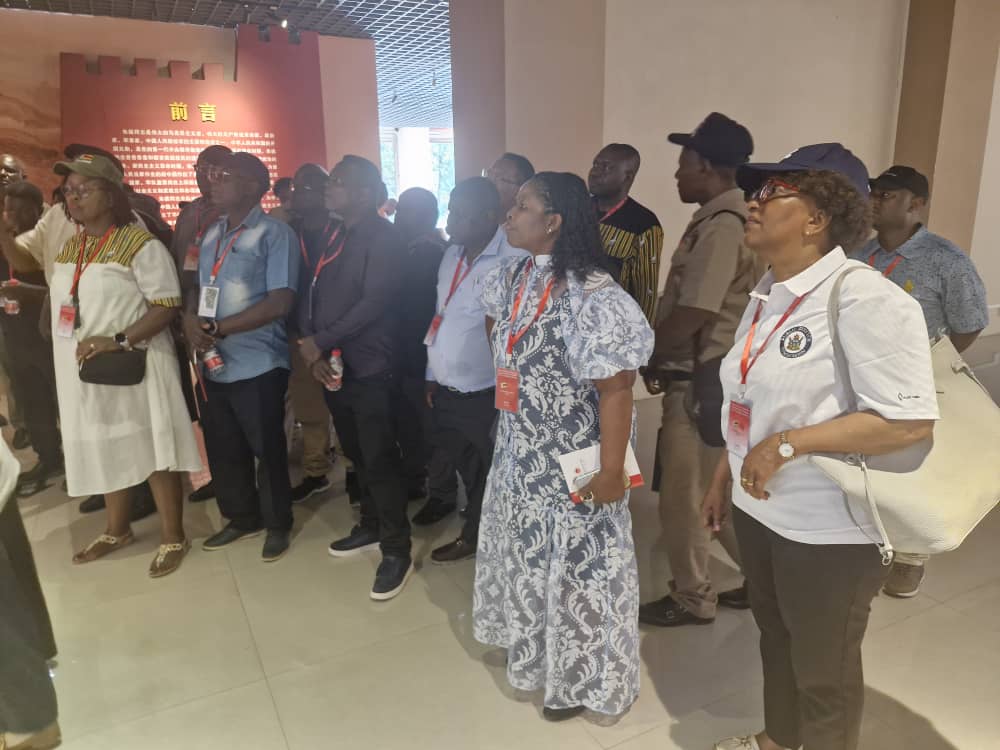
Vusumuzi Dube in Nanchong, China
ZIMBABWE can draw valuable lessons from China’s experience in poverty alleviation, rural revitalisation and preservation of national heritage, Public Service, Labour and Social Welfare Deputy Minister Mercy Dinha has said.
She made the remarks during a visit to Yilong County, where the Zimbabwean delegation attended a lecture on “The Role of Development Zones in Rural Revitalisation” and toured the former residence of Cde Zhu De in Ma’an Town.
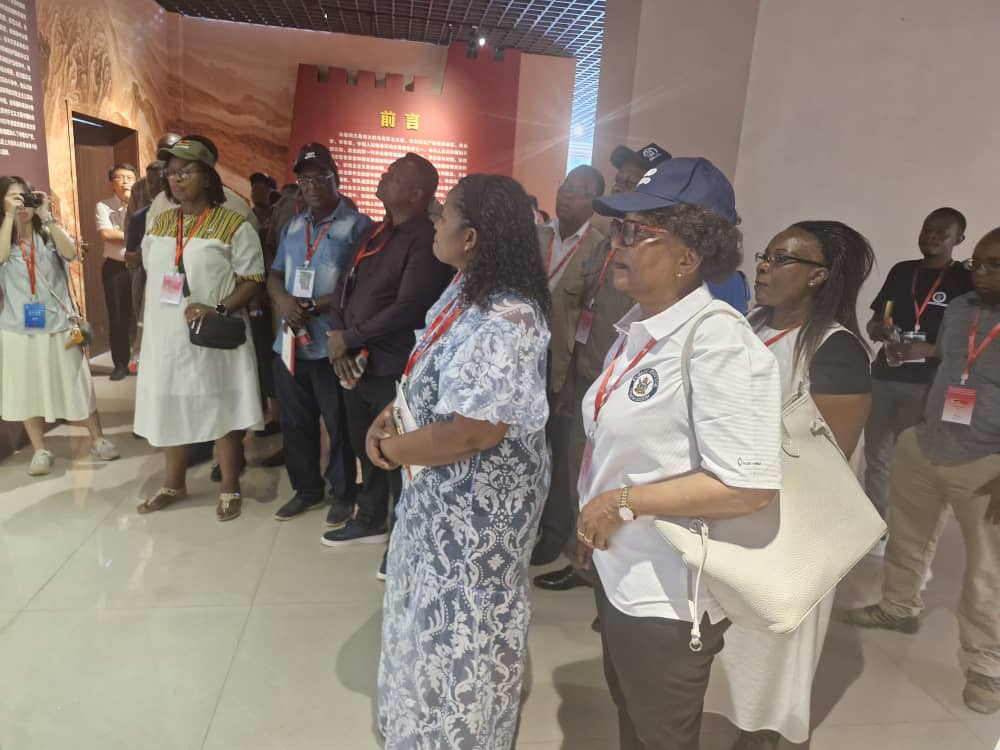
The lecture, delivered by Ms Zhang Jie, secretary of the Communist Party of China Yilong County Committee, at the Sichuan Zhang Side Executive Leadership Academy, focused on Yilong County’s transformation from a deeply impoverished revolutionary base into a revitalised administrative county.
The engagement formed part of the Ministerial Seminar for Senior Public Management Officials of Zimbabwe being held in China, organised by the Academy for International Business Officials (AIBO), an institution under China’s Ministry of Commerce.
Deputy Minister Dinha said the Zimbabwean delegation had gained a deeper understanding of how Yilong tackled poverty through co-ordinated development, accurate data collection and interventions that were cascaded from the city to the county and villages.
“We are impressed with the place. We have really learnt a lot about Yilong County and its journey from a deeply impoverished revolutionary base to an administratively revitalised county,” she said.
Significant progress has been made in areas including transport, water supply, healthcare and education, with development transforming the lives of communities that had previously struggled to access basic services.
“There is now a road network, high-speed trains, well-paved rural roads and tarred roads. There is also water transport, with both passenger and cargo vessels,” said the Deputy Minister.
She said some of China’s interventions had similarities with programmes being implemented by Zimbabwe including support for vulnerable households, education and agriculture.
She made reference to the Basic Education Assistance Module (BEAM), which supports vulnerable children with education-related costs, as an example of Zimbabwe’s efforts to improve access to education and reduce school dropouts and the Pfumvudza/Intwasa Programme, where farmers receive inputs such as seed and fertiliser, saying Zimbabwe could draw lessons from China’s approach of supporting farmers throughout the agricultural production cycle.
“The most important part, and one that is also directly relevant to my ministry, is social security. We have learnt about the social safety net for the elderly. The elderly are provided with accommodation, meals, medical care and activities.
“We have not finished the race yet because we are still developing, but we have learnt a lot from China, especially from this county administrative area,” she said.
“As our President, Dr E.D. Mnangagwa, has said, if China can do it, any other country can do it. I am positive that we can also do it in Zimbabwe. We can fight poverty, and we are still on the journey towards revitalisation.”
The Deputy Minister said the lessons were particularly relevant to Zimbabwe’s pursuit of Vision 2030 and the goal of attaining upper-middle-income status.
“We are still on the journey to succeed in the fight against poverty, but I think we are almost there because, by 2030, we are looking at achieving an upper-middle-income society in Zimbabwe. We are going to achieve that through Vision 2030,” she said.
Beyond economic and social development, Deputy Minister Dinha said the delegation had also been struck by China’s commitment to preserving the memory of its revolutionary leaders and the places associated with them.
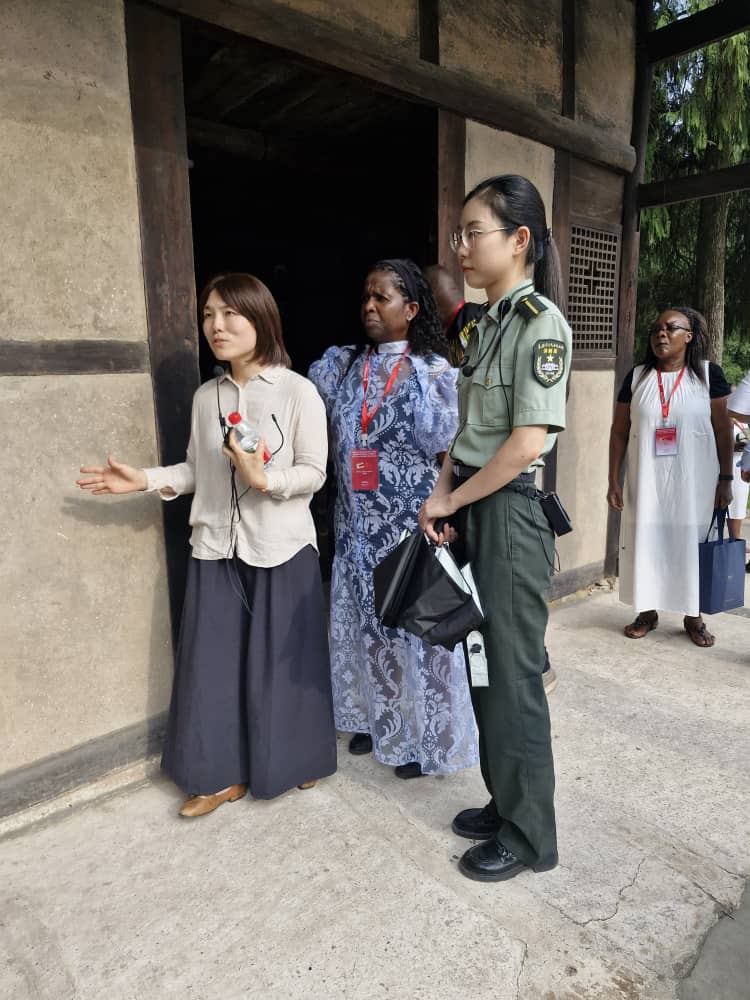
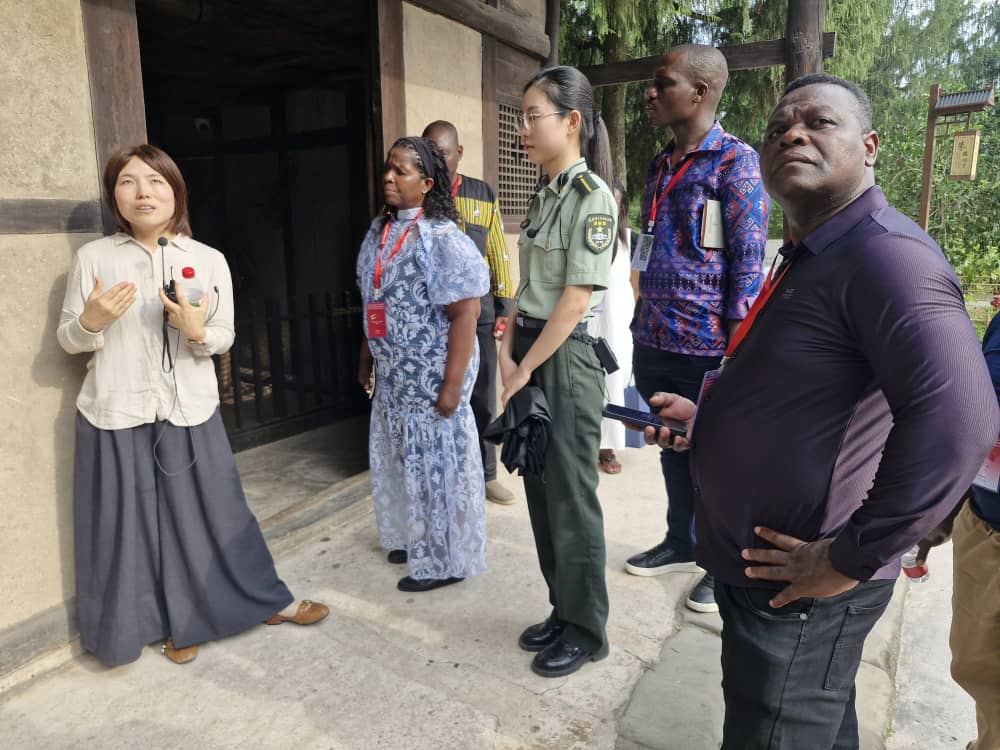
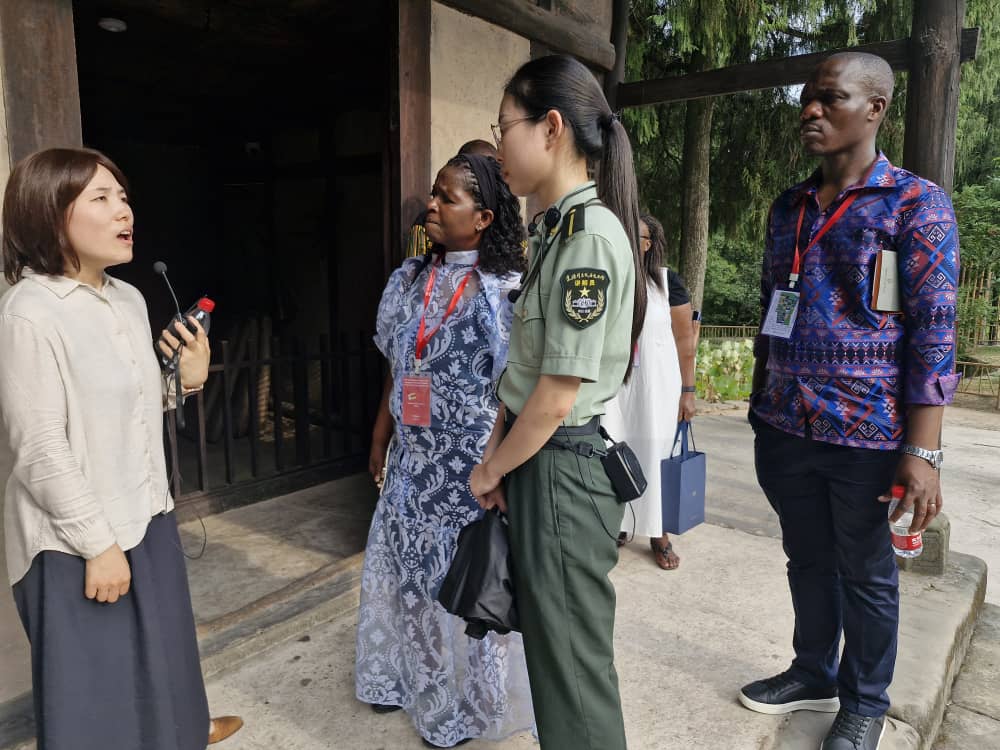
During the tour of the former residence of Cde Zhu De, one of the founding leaders of the People’s Republic of China, the delegation visited the house where he lived for about 14 years with his foster parents, as well as the Zhu De Museum.
The Deputy Minister said China’s efforts to preserve the memories and works of its founding leaders, including Mao Zedong and other revolutionary figures, demonstrated the importance of keeping national history alive for future generations.
“The heroes, the founders of the People’s Republic of China, are being remembered, their memories and their works are being preserved and cherished by the people of China,” she said.
“That is the biggest takeaway, because we in Zimbabwe, I think, have to put more effort into remembering our heroes, remembering our founding fathers of our party, ZANU-PF, and also remembering the heroes who contributed to the liberation struggle of Zimbabwe,” Deputy Minister Dinha said.
She said Zimbabwe’s annual Heroes’ Day commemorations and the National Heroes Acre are important platforms for honouring liberation heroes, but said preservation efforts could extend to the places where the heroes lived, their families and their contributions to the country’s history.