Tendai Gukutikwa
Mutare Bureau
CHIPINGE is facing a growing rabies threat, with Ward 23 recording 10 dog-bite cases this year and two children reportedly dying from the disease, prompting calls for urgent intervention by veterinary and public health authorities.
Ward 23 councillor, Mr Shingirayi Gapara, has appealed for the immediate deployment of veterinary and public health teams to the remote ward, which borders Mozambique, to conduct mass dog vaccinations, raise awareness and provide resources to prevent further loss of life.
Cllr Gapara said the situation was critical, with residents struggling to access medical treatment after dog bites, forcing some to seek assistance across the border in Mozambique.
“We have a serious challenge with dog bites in Ward 23, which borders Mozambique. We have recorded ten cases this year, including the most recent in Mubayayi Village, while two young children died in February and June,” he said.
He said suspected rabies cases had been reported in Matsuro and Mubayayi villages, adding that the problem had persisted for the past two years, with some cases ending in fatalities.
“The situation is already critical, and we are appealing for urgent intervention before we lose more lives,” Cllr Gapara said.
“Because our area is remote, some people who are bitten travel to Mozambique for treatment, while others may not seek medical attention at all.”
He expressed concern about the uncertainty surrounding the treatment received by residents who cross into Mozambique, saying the community needed accessible medical services and a coordinated response to the threat.
“I am appealing to the relevant authorities to send veterinary and public health teams to our ward to vaccinate dogs, educate residents about rabies and provide the necessary resources to contain the situation,” he said.
In a recent interview, Manicaland provincial veterinary epidemiologist Dr Innocent Chabanga said Chipinge district as a whole had recorded ten confirmed rabies cases, with stray dogs remaining a major driver of transmission, particularly in communities near wildlife habitats.
He said veterinary authorities were monitoring areas along the Zimbabwe-Mozambique border, where the movement of animals across international boundaries was complicating efforts to control the disease.
“Some dog bites and rabies have been recorded in Chipinge, particularly along the Mozambique border. Cross-border movement of dogs remains a challenge because animals enter from neighbouring communities beyond our control,” Dr Chabanga said.
He said veterinary services and local authorities were conducting awareness campaigns, with particular attention being paid to children, who are vulnerable to dog attacks and possible rabies exposure.
“We are conducting educational campaigns in schools because children are traditionally the most affected,” he said.
“In Chipinge District alone, we have already reached six schools, particularly in communities along the eastern border where cases have been reported.”
Dr Chabanga said routine dog vaccination programmes were continuing through veterinary centres across the province, with development partners providing additional support during outreach campaigns.
Meanwhile, Chipinge Town Council chairman Councillor Kingston Dhlumo said the stray dog problem is not only within Chipinge Rural District Council but the district as a whole, including Chipinge Town.
“Dog bites have become common in several neighbourhoods. We continue trapping stray dogs and encouraging responsible pet ownership,” he said.
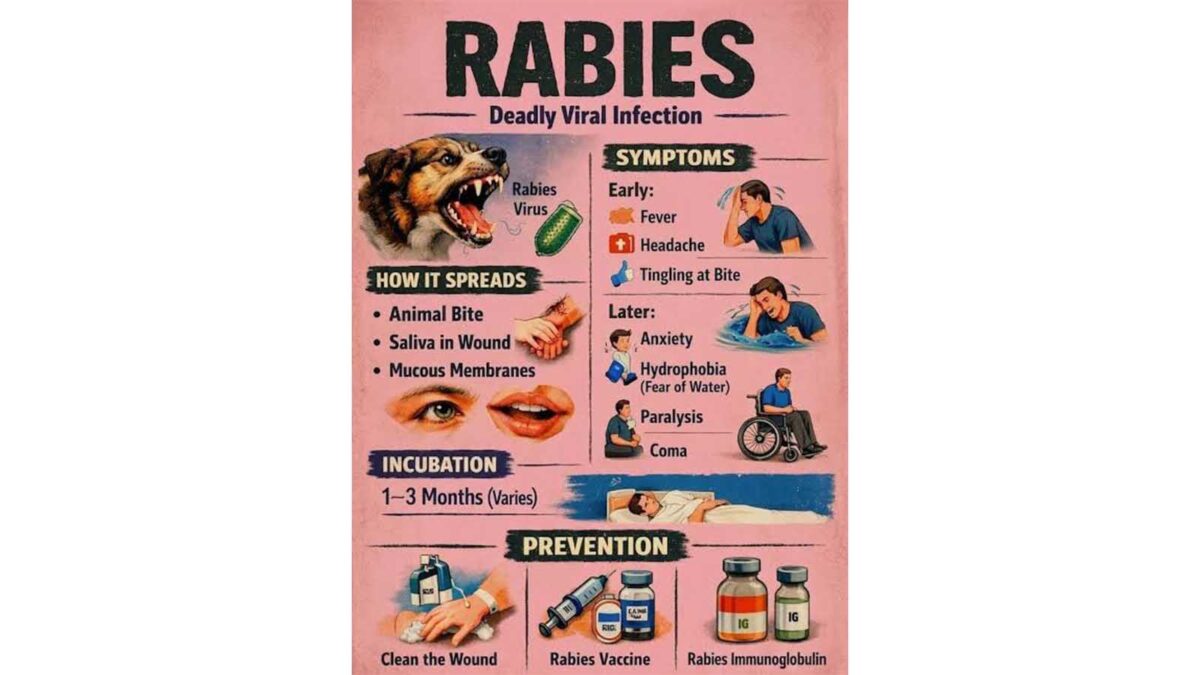
Rabies is a fatal viral disease that affects the nervous system and is usually transmitted through the bite or scratch of an infected animal.
Once symptoms develop, the disease is almost invariably fatal, making prompt medical attention following a suspected exposure critical.
People bitten or scratched by a potentially rabid animal should immediately wash the wound thoroughly with soap and running water for at least 15 minutes and seek urgent medical attention for assessment and post-exposure treatment.