Online Reporter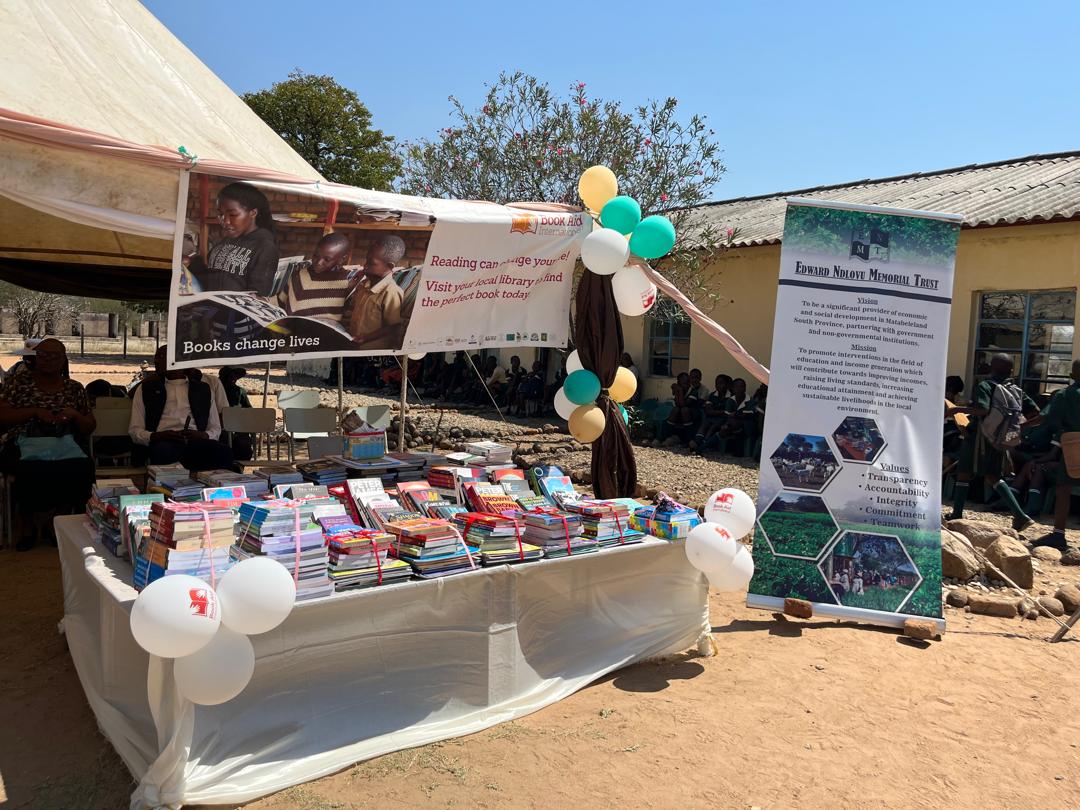
Sukulwenkosi Dube-Matutu [email protected]
MATABELELAND South communities facing recurring droughts, erratic rainfall, water shortages, land degradation and declining agricultural and livestock productivity need stronger environmental and climate literacy to better adapt to the changing climate.
Beyond conventional reading and writing, climate literacy can equip communities with practical knowledge to understand changing weather conditions, adopt climate-smart agricultural practices, conserve water, protect livestock and use natural resources responsibly.
The approach is particularly important in Matabeleland South, where livelihoods are closely connected to the land, forests, water and livestock, making environmental degradation and climate shocks a direct threat to household incomes and food security.
Speaking on Monday during the International Literacy Day commemorations at Sengezane Primary School in Gwanda, Matabeleland South Secretary for Provincial Affairs and Devolution, Mrs Lathiso Dlamini- Maseko said promoting environmental and climate literacy was critical in building resilient communities.
“Matabeleland South is no stranger to the effects of climate change. Our communities continue to experience recurring droughts, changing rainfall patterns, water shortages, land degradation and challenges affecting agricultural production and livestock,” she said.
“Literacy must empower communities to understand their environment and make informed decisions about the sustainable use and protection of natural resources.
“Environmental and climate literacy can help farmers and communities understand changing weather conditions, adopt climate-smart agricultural practices, conserve water, protect livestock and utilise natural resources responsibly,” she said.
Mrs Dlamini- Maseko said the push for stronger literacy was also central to the country’s development agenda, as Government implements the National Development Strategy 2 (NDS2).
She said the aspirations of NDS2 could not be realised without knowledgeable, skilled and empowered citizens able to participate productively in the economy and take advantage of emerging opportunities.
“Literacy is fundamentally about human empowerment. It gives people the knowledge, skills and confidence to participate meaningfully in the social, economic and development processes that shape their lives and communities.
“A literate society is better positioned to understand rights and responsibilities, access opportunities, make informed decisions and contribute effectively to national development,” she said.
Mrs Dlamini-Maseko said literacy must be inclusive, encompassing learners in rural schools, young people, women, persons with disabilities and other members of communities who may face barriers to accessing education, information and opportunities.
She said investing in literacy and human capital would strengthen Zimbabwe’s transition towards an empowered and prosperous upper-middle-income society by 2030, in line with the national development vision and the principle of “leaving no one and no place behind.”
“When we promote literacy for the people, we are not only teaching people to read and write. We are empowering citizens, strengthening communities and contributing directly to the achievement of Vision 2030,” said Mrs Dlamini-Maseko.
“Today’s theme challenges us to look beyond the traditional understanding of literacy as simply the ability to read and write. Literacy is about empowering people with the knowledge, skills and confidence required to make informed decisions, participate meaningfully in society, protect their environment and improve their livelihoods,” she said.
Edward Ndlovu Memorial Trust (ENMT) director, Mr Michael Moyo, said literacy and education were critical in helping communities understand and respond to global challenges such as climate change and building community resilience.
“Our literacy and education programmes contribute to human capital development. We ensure that our programmes contribute at community level to several development priorities reflected in NDS2,” he said.
“Our overall aim is to improve the quality of life of people in Matabeleland South, with children at the centre of our work.
“Experience has taught us that we cannot sustainably improve the life of a child without strengthening the family and community in which that child grows. A child may have books, but if there is no food at home, learning becomes difficult.
“A child may learn about environmental conservation, but if the community does not have the knowledge and resources to respond to climate change, that child’s future remains vulnerable.
Therefore, ENMT works with the whole community,” he said.
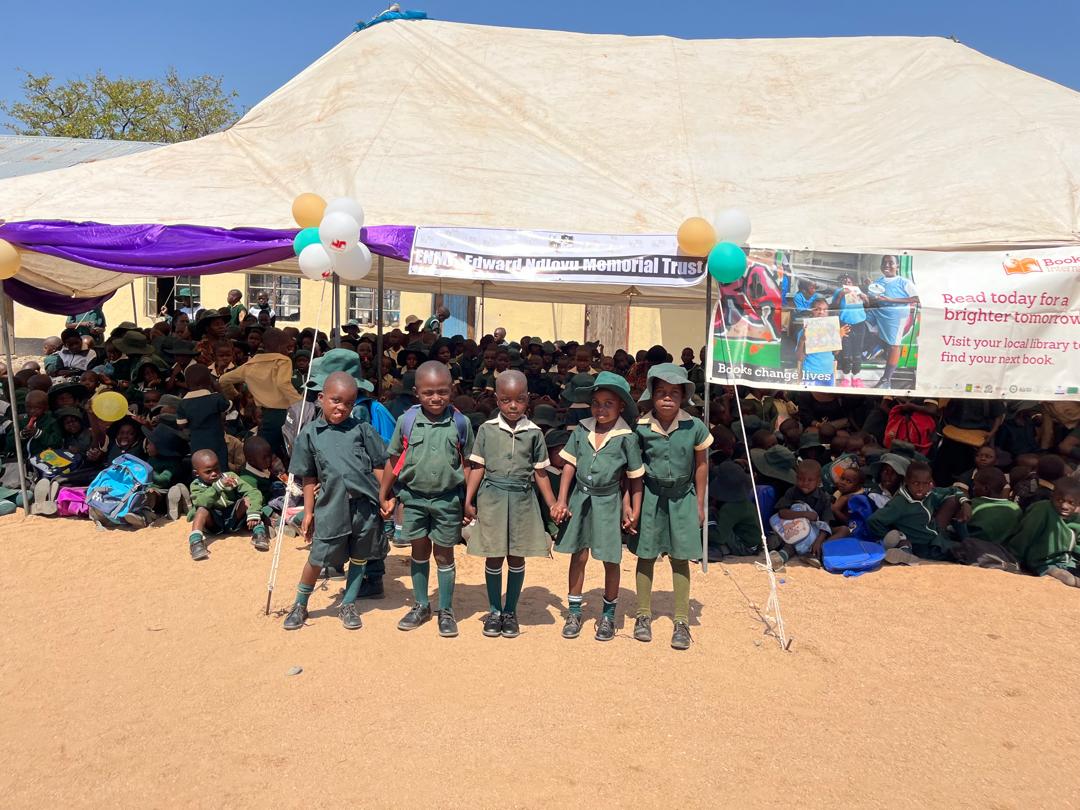
Gwanda celebrated International Literacy Day during an event organised by the Edward Ndlovu Memorial Trust, bringing together students from various schools for activities promoting reading and highlighting the importance of literacy.
This year’s celebrations were held under the theme: “Literacy for people, the planet and prosperity”.