Online Reporter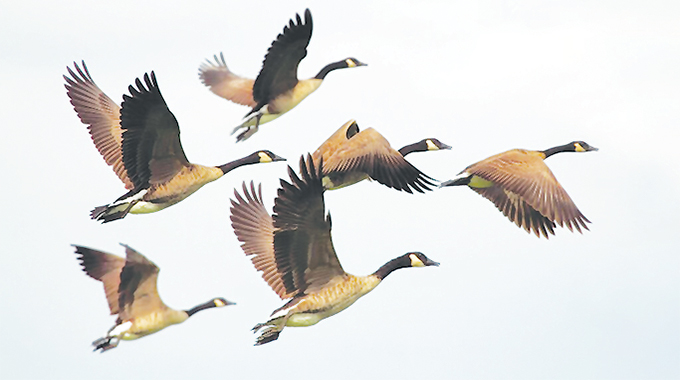
Sifelani Tsiko
Fact Check Editor
BILLIONS of migratory bird species are declining worldwide due to intensive human activity which is disrupting their environs, breeding sites and flight routes to various parts of the world, a new report has found.
Nearly half of the world’s migratory bird species are in decline and one in nine faces extinction, according to BirdLife International’s latest State of the World’s Birds report which was launched recently in Nairobi, Kenya.
The report indicates that bird population declines have been closely linked to pollution, use of chemicals and physical changes to their habitats.
Human pressures are largely to blame as bird experts say population growth, economic growth and transportation use which have risen rapidly over the past few decades continue to pile more pressure on migratory bird numbers globally.
About 45 percent of migratory bird species are in decline. One in nine is threatened with extinction.
The report showed that the 2025 extinction of the Slender-billed Curlew, last recorded at a Moroccan lagoon in February 1995, marks the first global bird extinction in mainland Eurasia and Africa in recent centuries, with six other migratory species confirmed or suspected to have been lost in the last 150 years.
Species dependent on marine habitats, forests and coastal wetlands are faring particularly poorly; seabirds and shorebirds are among the most threatened.
“Migratory birds are sentinels, and their declines reveal growing pressure on the natural systems that sustain us. But the science is equally clear: conservation works, with co-ordinated action preventing extinctions and helping populations recover. The solutions exist: what is needed now is their implementation at flyway scale,” said Dr Stuart Butchart chief scientist, BirdLife International, and senior editor of State of the World’s Birds.
BirdLife International launched the State of the World’s Birds report at the Global Flyways Summit, co-hosted by Nature Kenya.
The report is published every four years and the latest report focuses on migratory birds and the flyways they depend on.
The summit attracted stakeholders including governments, scientists, NGOs, conservationists and financial institutions to sign the Nairobi Flyways Declaration, committing to stepping up efforts and cooperation to protect migratory birds and their habitats across borders, alongside more than $6 billion in conservation finance being mobilised by development banks since 2021.
Bird experts cited invasive species, agricultural intensification, climate change and unsustainable hunting as the major drivers of the decline of migratory bird species across the world.
The experts called for multi – country action to halt the decline in the population of migratory bird species.
BirdLife reports that more than 11 000 birds on the IUCN Red List (including both migratory and non-migratory species), 11% — 1,256 species — are threatened with extinction while migratory birds, 45% of species show declining population trends, with just 14% increasing — and a decline of 11% of migrating avian species.
Zimbabwe and most countries in southern Africa are major habitats for migratory bird species.
In a social media post, Chinese Ambassador to Zimbabwe Ding Zhou observed that every July, Beijing swifts depart from the ancient eaves in Beijing to embark on an epic 15 000‑kilometre one ‑ way migration.
“Guided by instinct, they cross Asia and Africa, navigating harsh landscapes with barely any rest,” he said.
“They arrive in southern Africa in November, and some find their ideal winter sanctuary in Zimbabwe’s Hwange National Park. Feeding on abundant flying insects above the lush savannas, they spend nearly 100 days here before heading back north in February.”
This extraordinary trans‑continental journey, he said, serves as a moving testament to life’s persistence and connections that transcend all national borders.
Zimbabwe is home to 674 bird species, of which 140 are migratory.
An estimated 4 000 bird species migrate around the earth, with songbirds, waterfowl, waders and shorebirds constituting the majority.
Amur Falcons breed in Mongolia and fly to Zimbabwe each year for more than 14 000 kilometres. The birds fly more than 2 500 kilometres over the sea and in Harare they can be seen in large numbers perched along the power lines and eucalyptus trees, for example on the Harare – Mutare highway.