Online Reporter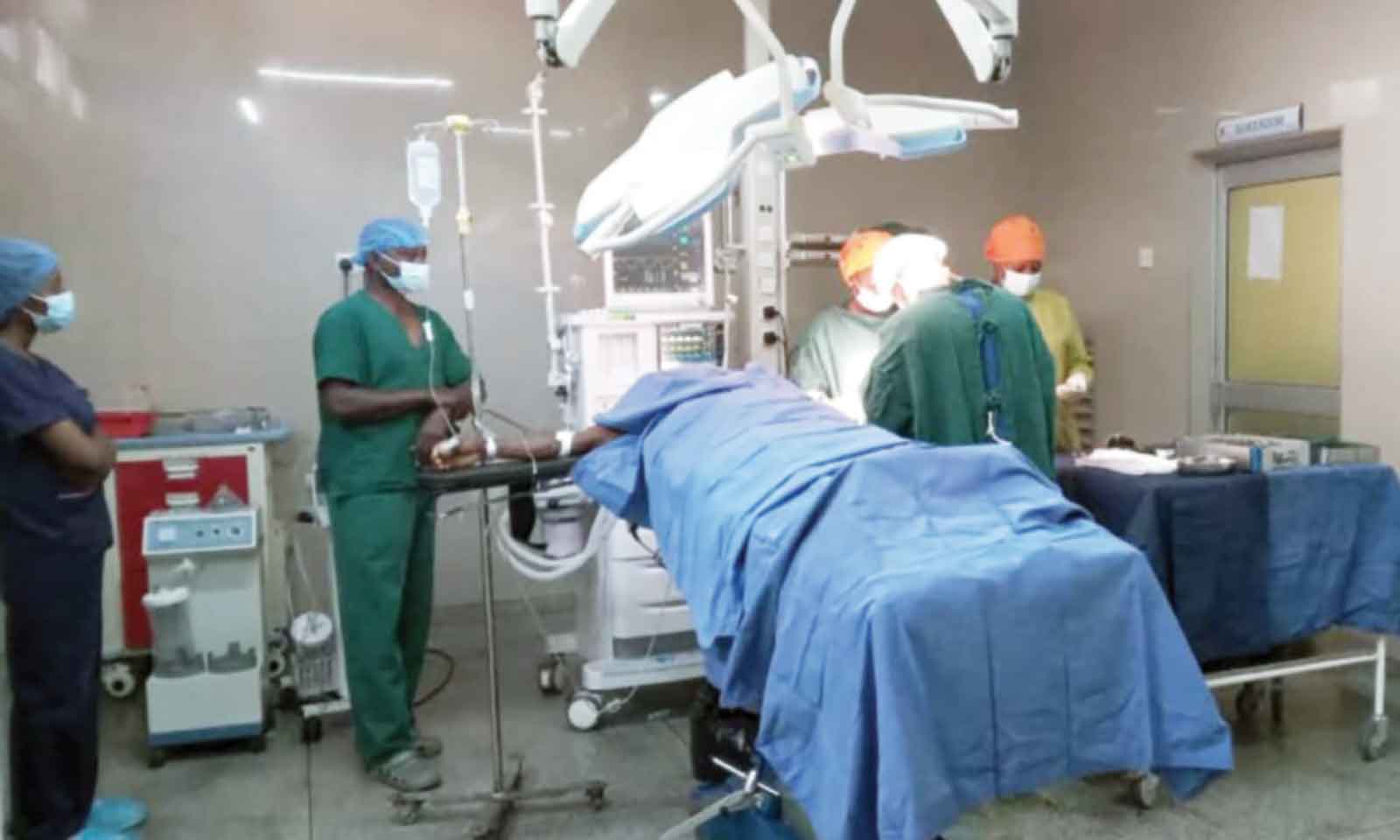
The staggering ZiG3,9 billion allocation for health infrastructure, headlined by the transformation of Mpilo Central Hospital and the long-awaited completion of Lupane Provincial Hospital, is far more than a budgetary footnote. It is tangible proof of President Emmerson Mnangagwa’s governing mantra: “leaving no one and no place behind.”
For years, this phrase has been the rhetorical backbone of the Second Republic. Now, the blueprint aligns with the rhetoric in scale and intent, targeting the most profound geographical and social inequities in Zimbabwe’s healthcare system.

The political symbolism embedded in this investment cannot be overstated. For over two decades, Matabeleland North has stood as the starkest example of exclusion — a province without a functional provincial hospital, forcing its citizens into what can only be described as medical migration.
Patients from Binga, Hwange, and Tsholotsho have endured dangerous journeys to Bulawayo for specialist care.
The allocation of ZiG540 million to operationalise Lupane Provincial Hospital is therefore not merely a construction project; it is a corrective act of national inclusion. It answers a long-held grievance with concrete action, promising to dramatically reduce travel burdens and restore dignity to healthcare access.
Equally significant is the deliberate channelling of resources beyond the traditional urban strongholds. The focus on district hospitals in Manhize, Rudhanda, Paradza, and Lady Stanley signals a strategic decentralisation of healthcare infrastructure. This is not charity; it is structural equity. By strengthening district-level facilities, the Government is laying the groundwork for a system where quality care is not a privilege of geography but a guaranteed right.
Healthcare equity begins with infrastructure. You cannot deliver dignified, modern healthcare in a place that lacks the basic facilities to provide it. The president’s vision of inclusive development necessarily starts with bricks, mortar, and MRI machines in under-served regions. These investments are not abstract — they translate into shorter queues, faster diagnoses, and lives saved.

The inclusion of a digitalisation agenda further amplifies this philosophy. By modernising hospital systems and nursing schools, Zimbabwe is building a technological bridge across the rural-urban divide. Digital health platforms will enable remote consultations, improve record-keeping, and expand access to specialist care for communities that have historically been isolated.
Of course, ambition must be matched by execution. The establishment of a Project Steering Committee comprising key ministries and the Office of the President and Cabinet is a welcome safeguard. If the momentum seen in planning translates into action, this historic allocation will not just upgrade hospitals; it will redefine healthcare access for generations to come.
The pieces are in place for a transformative leap forward.