ZIMBABWE’S growing diplomatic influence, strengthened international partnerships and increasing presence in regional and global institutions present a significant opportunity to accelerate economic transformation, with the country’s foreign missions well positioned to turn these achievements into lasting national prosperity.
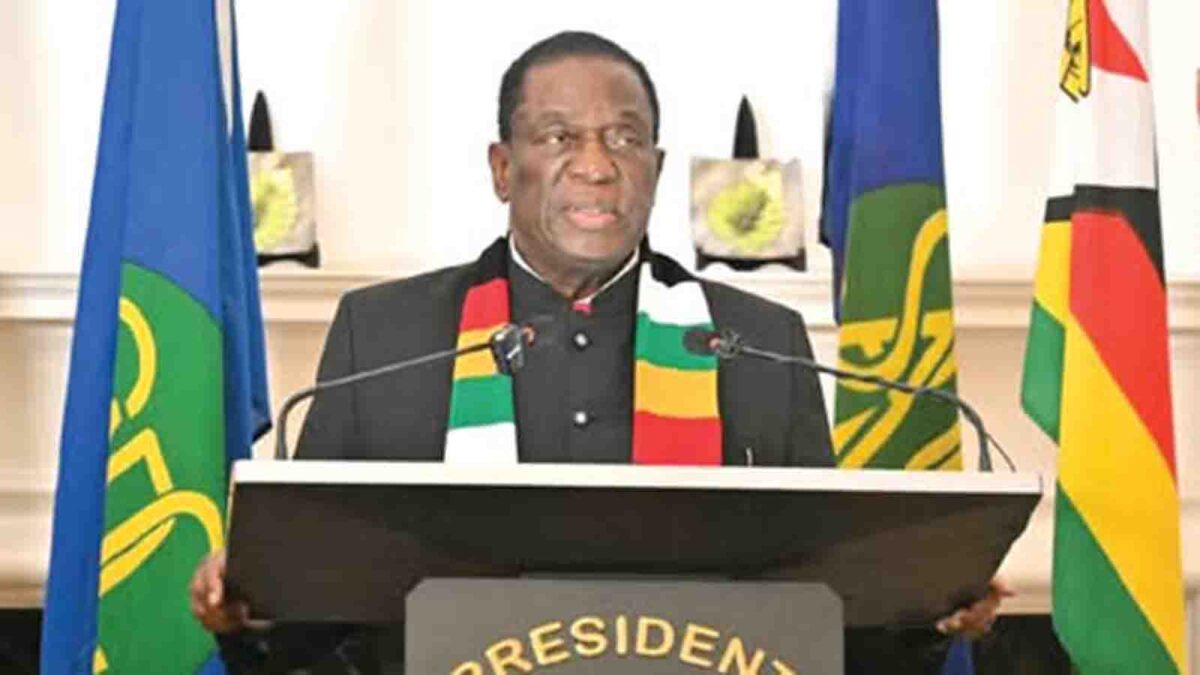
President Mnangagwa’s call, during an engagement with Zimbabwe’s Ambassadors, Ambassadors-Designate, Consuls-General and Chargé d’affaires in Harare on Monday, for ambassadors and other diplomatic representatives to deliver measurable results reinforces the importance of aligning international engagement with the country’s development aspirations and ensuring that every diplomatic opportunity contributes to the national interest.
With the Second Republic pursuing its Vision 2030 ambition of becoming an upper-middle-income economy, Zimbabwe’s diplomatic network has an important role in mobilising international partnerships, attracting investment and opening markets for locally produced goods and services.
The President’s emphasis on embassies as strategic platforms for trade promotion, investment facilitation and tourism marketing provides a direction for making diplomacy an increasingly effective instrument of economic development and national transformation.
Zimbabwe has considerable productive potential across agriculture, mining, manufacturing and tourism and stronger international connections can help local businesses access technology, expertise, investment capital and markets necessary to expand their operations.
Our farmers, manufacturers, miners, tourism operators, innovators and emerging entrepreneurs should increasingly benefit from the relationships cultivated by diplomatic missions, creating opportunities for business growth, employment generation and improved livelihoods across the country. The country’s principle of being a friend to all and an enemy to none provides a strong foundation for building mutually beneficial partnerships while maintaining constructive relations with countries across different political and economic blocs.
Such an approach allows Zimbabwe to diversify its international partnerships, draw lessons from different development experiences and access opportunities that support industrialisation, modernisation and the development of competitive domestic industries.
The country’s election to the United Nations Security Council is another significant diplomatic achievement, reflecting international confidence in Zimbabwe and providing an important platform to contribute to discussions on global peace and security.
This responsibility offers Zimbabwe an opportunity to advance its commitment to peaceful coexistence, respect for international law and the resolution of disputes through dialogue, while strengthening its voice in multilateral affairs.
Equally encouraging is Zimbabwe’s growing leadership role in regional integration following its assumption of the COMESA Authority chairmanship and selection to host important continental trade gatherings in the coming years.
The hosting of the AfCFTA Council of Ministers Meeting in 2027 and the Intra-African Trade Fair in 2029 presents valuable opportunities to showcase Zimbabwean products, attract investors and strengthen the country’s participation in continental trade.
These platforms should be embraced by local businesses as gateways to wider markets, with diplomatic missions helping connect exporters and service providers to buyers, investors and strategic partners across Africa.
Zimbabwe’s diaspora community also represents an important resource in this development journey, bringing together skilled professionals, entrepreneurs and investors whose expertise, networks and financial contributions can support national economic transformation.
The President’s emphasis on efficient and humane consular services is equally welcome, recognising that diplomacy must remain people-centred while ensuring that Zimbabweans abroad feel connected to their homeland and its development aspirations.
The review of the National Diaspora Policy provides an opportunity to strengthen these connections, encourage productive investments and create mechanisms through which Zimbabweans abroad can contribute their expertise to national development.
As diplomatic representatives return to their respective stations, the emphasis on accountability, professionalism, prudent resource management and measurable targets should provide the foundation for translating international goodwill into practical development outcomes. Zimbabwe has made important strides in strengthening its international standing, and the task ahead is to build on this momentum through purposeful engagement, strategic partnerships and a shared commitment to national progress.
Successful diplomacy, therefore, will be reflected in stronger businesses, expanding export markets, increased investment, technology transfer and improved livelihoods, ensuring that Zimbabwe’s growing global presence delivers meaningful dividends for its people.