Culture is often celebrated as the soul of a nation, preserving collective memory and binding generations together but its significance in Zimbabwe extends beyond identity and heritage to the opportunity of transforming creative talent into sustainable livelihoods, viable enterprises and lasting economic value.
This is the central argument behind Vice-President Kembo Mohadi’s call for Zimbabwe’s cultural and creative industries to become commercially viable enterprises capable of creating jobs, attracting investment and generating foreign currency as the country pursues Vision 2030.
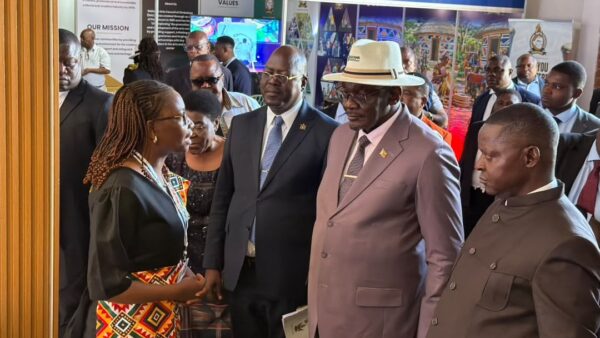
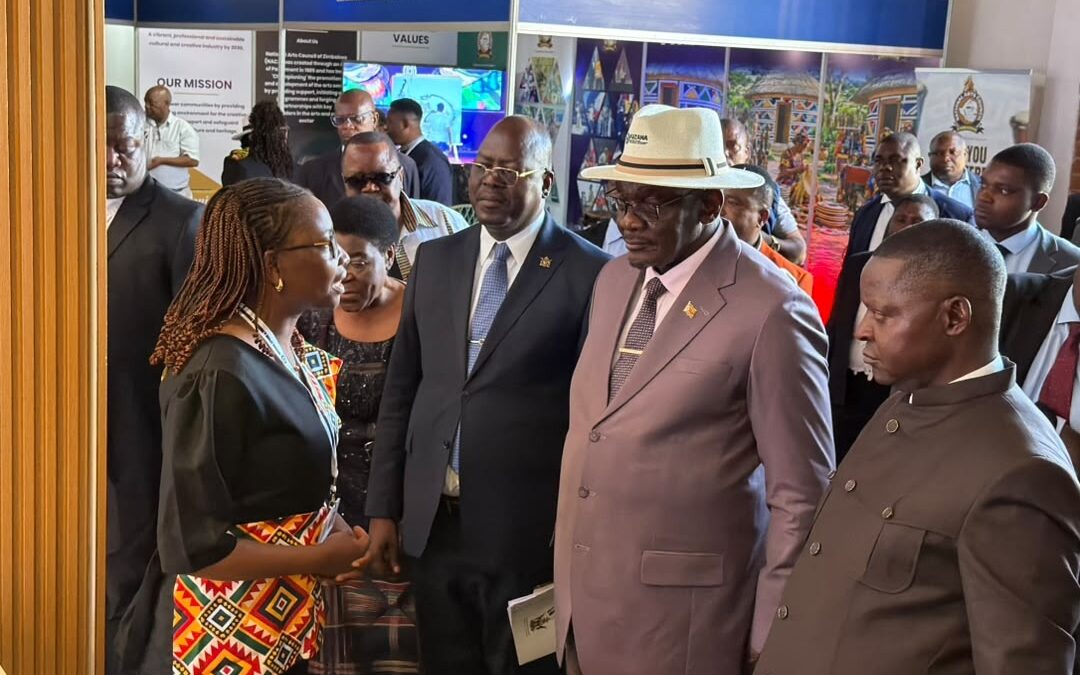
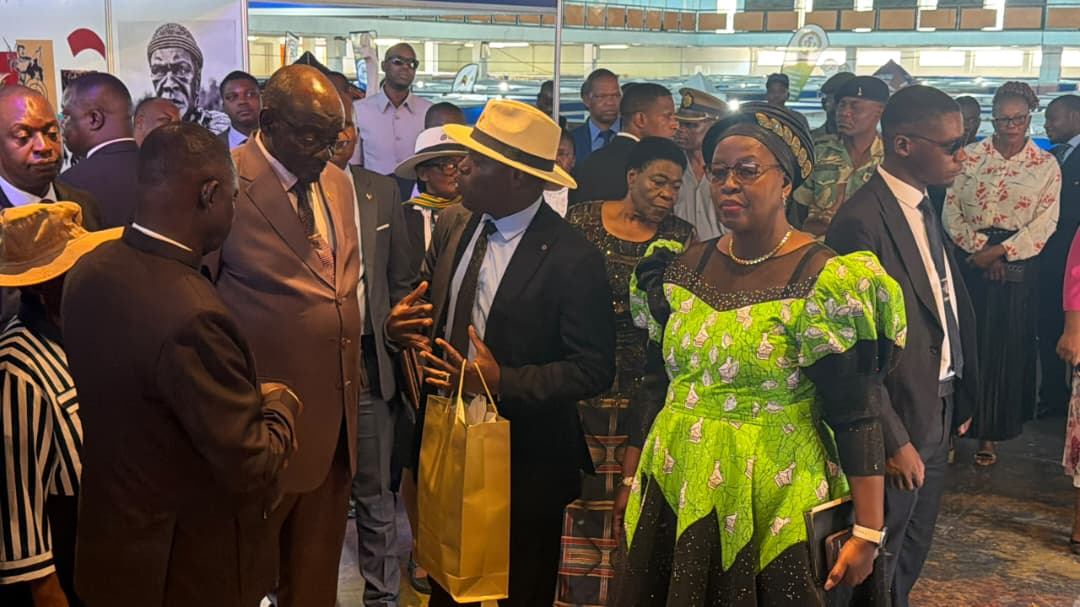
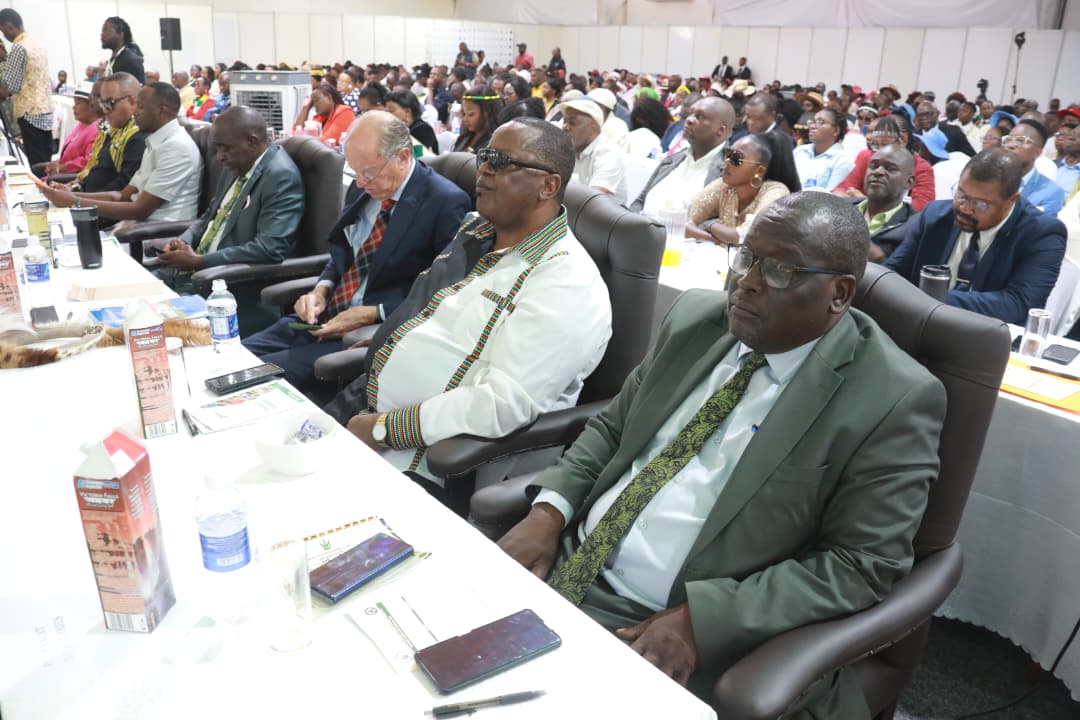
Officially opening the Kuzana Sports and Creative Economy of Zimbabwe (SCEEZ) Arts and Culture Conference in Bulawayo on Thursday, VP Mohadi underscored the importance of recognising culture beyond entertainment as a productive economic sector capable of contributing meaningfully to national development.
“Culture is not just an expression of identity, it is a lucrative industry and a critical driver of our economic transformation agenda,” he said.
The conference itself is evidence of Government’s commitment to supporting the sector, bringing together policymakers, investors and creative practitioners to explore partnerships and practical strategies for turning Zimbabwe’s cultural wealth into sustainable economic opportunities.
This commitment is reinforced by the US$10 million allocated in the Zimbabwe Broadcasting Corporation’s 2026 budget for local content production to support broadcasting expansion and create opportunities for local producers, musicians and filmmakers.
Plans to establish content hubs across all 10 provinces offer further prospects for decentralising production, while the proposed Film Policy and National Language Policy signal opportunities to strengthen local storytelling, celebrate linguistic diversity and develop Zimbabwe’s creative industries.
These initiatives provide artists with an opportunity to position themselves strategically within an expanding creative economy, where Government support, private investment and entrepreneurial innovation can combine to transform talent into commercially successful ventures.
A successful music production creates opportunities for performers, songwriters, producers, sound engineers, promoters and distributors, while stimulating activity in hospitality, transport and event management, demonstrating how creative enterprise can generate economic benefits across interconnected industries.
Similarly, a growing film industry can sustain actors, directors, editors and technical crews while creating demand for equipment, accommodation and other services, positioning local productions as potential contributors to employment, investment and international market expansion.
The National Arts Council of Zimbabwe, working with the Lotteries and Gaming Board, supported three short-film productions through its 2025 Short Film Grant and announced plans for a 2026 edition, providing emerging filmmakers with opportunities to develop their skills and showcase their work.
The National Development Strategy 2 (NDS2) also provides a broader development framework within which proposed legislative and policy reforms can strengthen the creative industries, promote inclusion and encourage investment in cultural production.
These developments present an opportunity to move beyond showcasing talent towards building sustainable businesses, taking advantage of available programmes, partnerships and emerging markets to expand their professional reach and commercial prospects.
The US$10 million content allocation, for instance, creates an important opening for producers to develop compelling Zimbabwean stories that entertain, educate and inform audiences, while positioning local content for wider distribution through television, radio and other platforms.
Artists can strengthen their prospects by organising themselves into professional enterprises, develop sound business proposals, protect their intellectual property and build partnerships that connect creative ideas with funding, production facilities and distribution opportunities.
The proposed provincial content hubs could further help emerging practitioners access production infrastructure closer to their communities, enabling talent from across the country to contribute to national storytelling and participate in the expanding creative economy.
Regional cooperation through the Southern African Development Community also offers opportunities to reach broader audiences, develop cultural exchanges and establish commercial partnerships, allowing Zimbabwean music, film, fashion and visual art to strengthen the country’s international profile while generating export earnings.
Such expansion can reinforce cultural diplomacy by presenting Zimbabwe’s heritage and contemporary creativity to international audiences, while ensuring that artists and communities benefit from the commercial value generated through their work.
The priorities outlined by VP Mohadi, including access to finance, skills development, infrastructure, mentorship and market access, provide a useful direction for collaboration between
Government, financial institutions, private investors and creative practitioners.
The next step is for artists to seize these opportunities, collaborate across disciplines and engage constructively with institutions supporting the sector, ensuring that conference deliberations translate into productive partnerships, commercially viable projects and measurable results.
Zimbabwe’s cultural inheritance remains a source of identity and national pride, but with sustained investment, entrepreneurial initiative and effective partnerships, it can also become a dependable source of employment, enterprise, foreign currency and economic growth towards the attainment of Vision 2030.