

 shloboe boe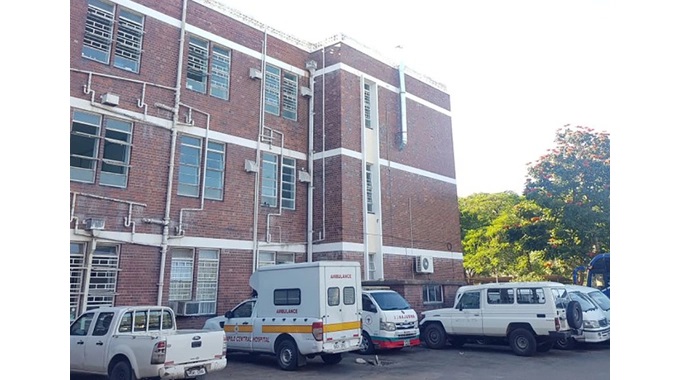
THE recent arrests of multiple individuals posing as nurses at Mpilo Central Hospital in Bulawayo — the third such case reported in swift succession — is not merely a lapse in security; it is a damning indictment of the pre-training vetting process at a key national healthcare institution.
While the prompt detection and arrest of these impostors by vigilant hospital staff is commendable, the fact that so many fraudulent individuals have managed to penetrate the system, ready to commence training or even work near vulnerable patients, signals a profound systemic vulnerability that demands immediate and comprehensive rectification.
Mpilo Hospital, as a major training hub for healthcare professionals, carries a dual responsibility: to provide world-class patient care and to safeguard the integrity of the nursing profession itself. The recurrent problem of fake staff places both of these duties in jeopardy.
The greatest tragedy in this scenario is the immense risk posed to patient safety. A person who lacks the foundational knowledge, clinical skills, and ethical grounding of a genuine healthcare worker is a danger waiting to happen.
The medical environment demands absolute precision; the actions of an untrained individual — whether administering incorrect dosages, misinterpreting vital signs, or simply failing to follow basic hygiene protocols — could lead to serious injury, long-term disability, or even death.
For the public, these incidents erode the essential element of trust that is the bedrock of the patient-doctor relationship.
When citizens begin to doubt the authenticity of the uniform, public confidence in the entire healthcare system plummets.
Beyond patient welfare, the hospital itself is a victim. Each instance of fraud inflicts severe damage on Mpilo’s reputation and institutional integrity.
A hospital’s name is its most valuable asset, and allowing unvetted individuals to wear its insignia compromises the legitimacy of every qualified graduate it produces. Furthermore, these incidents can invite legal and financial repercussions, draining resources that should be dedicated to frontline care.
The solution is clear, actionable, and non-negotiable: the hospital’s training and admissions body must implement a robust, multi-layered due diligence process for all prospective students before they are allowed to officially enrol or commence any form of orientation or training. This cannot be a superficial check; it must be a mandatory, meticulous exercise in verification and authentication.
Every GCE O and A-level certificate, or equivalent academic documentation, must be verified directly with the issuing examination board (such as the Zimbabwe School Examinations Council or relevant authority) or the original educational institution. Photocopies are not sufficient; direct confirmation is essential.
In partnership with the Zimbabwe Republic Police, a thorough criminal background check should be standard procedure. Anyone entering a position of such profound trust — with access to medication, sensitive data, and vulnerable people — must have their past scrutinised.
A rigorous process to confirm the individual’s identity using national identification systems, cross-referenced with the Nurses Council or equivalent professional body, is crucial to prevent cases of identity theft or impersonation by previously disqualified practitioners.
This enhanced vetting process requires an initial investment in time and resources, but the cost of not doing it — measured in human lives, public confidence, and institutional reputation — is incomparably higher.
Mpilo Hospital must move swiftly and decisively.
The periodic exposure of fake nurses should transition from an unfortunate recurring incident to a matter of history. The onus is on the institution to raise the barrier, safeguard its patients, and preserve the integrity of a profession that truly matters. The time for reactive policing is over; the time for proactive due diligence is now.



 Online Reporter
The impersonation of nursing students at Mpilo and elsewhere, Sally Mugabe, Parirenyatwa and major provincial hospitals included, is actually created and controlled by a sophisticated cartel of hospital administration and ministry officials, police, commissioners of oath,schools headmasters, Zimsec Officials and nursing staff. It’s a massive operation that is very difficult to break and destroy.