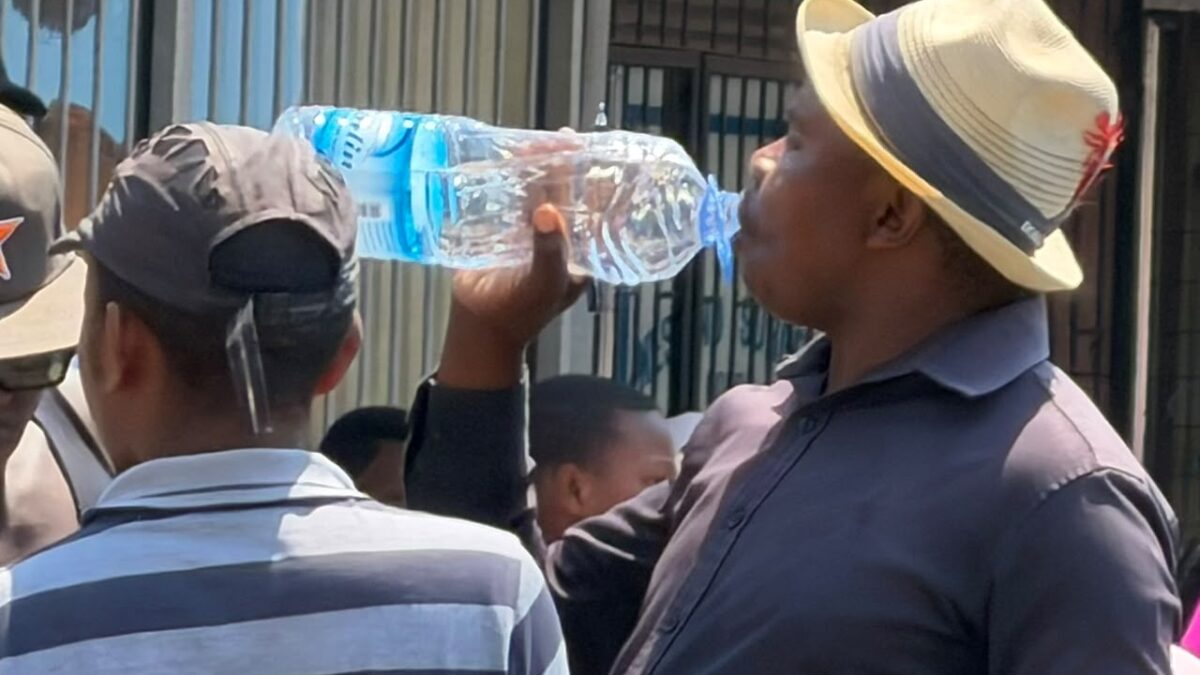
The Ministry of Health and Child Care’s warning over extreme heat is a timely reminder that scorching temperatures are not merely uncomfortable but can pose a serious threat to life.
As the country heads into a period forecast to bring warmer-than-normal temperatures and below-normal rainfall, communities must take simple but potentially life-saving precautions.
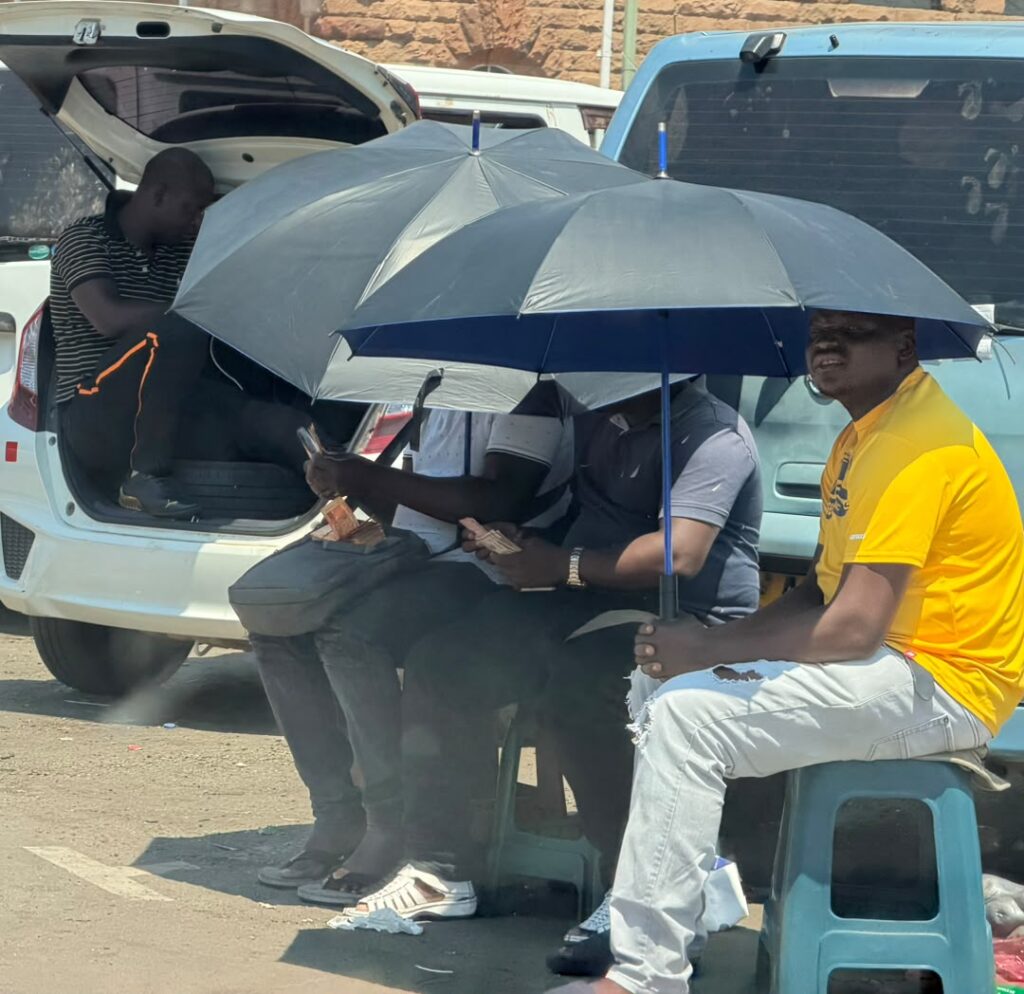
Heat exhaustion and heatstroke can affect anyone, but children, older people, pregnant women, people with chronic illnesses and outdoor workers are particularly vulnerable.
The public should not wait until someone collapses before taking action.
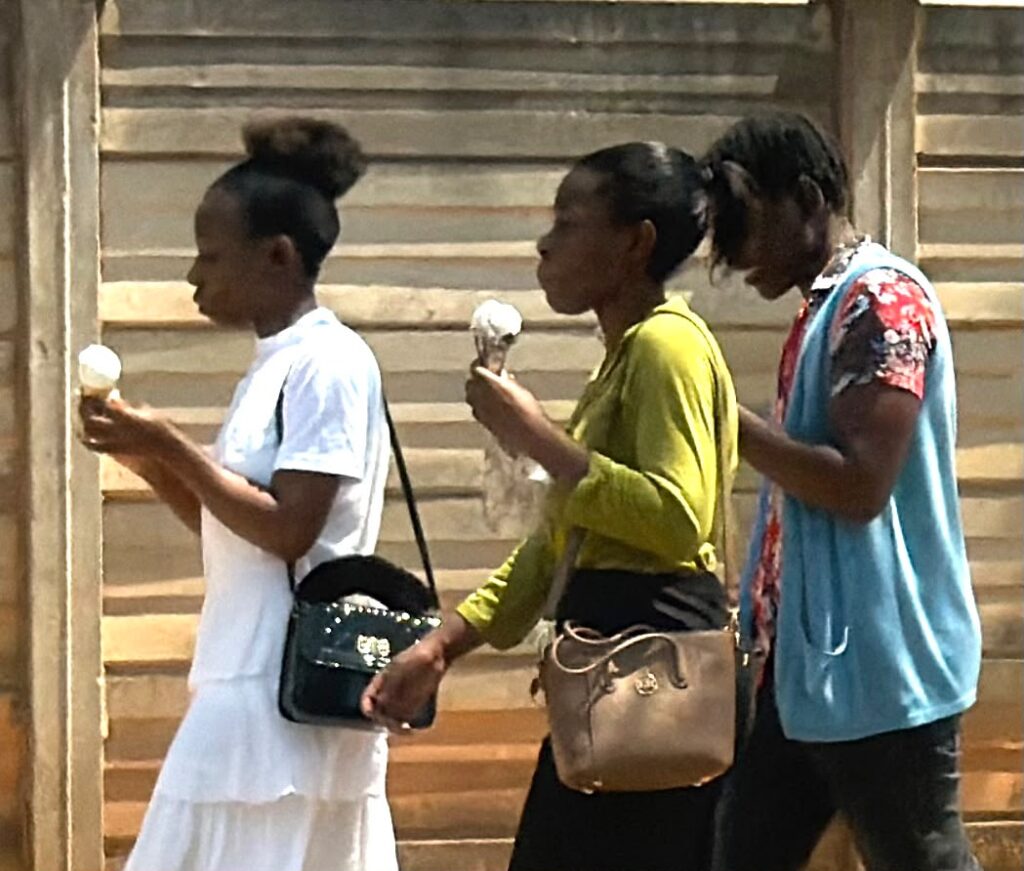
Drinking safe water regularly, staying in shaded and well-ventilated places, limiting strenuous outdoor activities during the hottest hours and wearing appropriate clothing can help reduce the risk of heat-related illnesses.
Equally important is knowing the warning signs. Heavy sweating, intense thirst, dizziness, headaches and muscle cramps should not be dismissed.
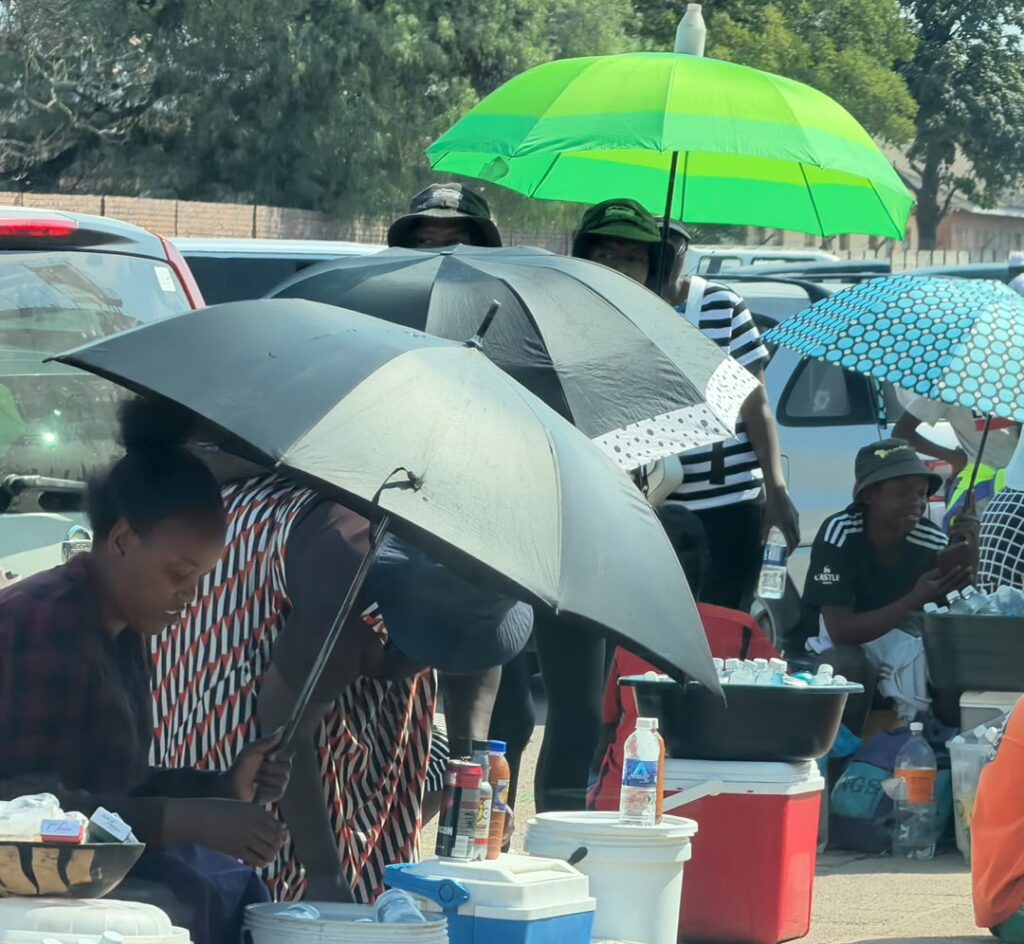
Confusion, seizures or loss of consciousness may signal heatstroke, which requires urgent medical attention.
Quick cooling and prompt access to emergency care can make the difference between life and death.
Employers also have a responsibility to protect workers exposed to the sun by providing drinking water, shaded resting areas and regular breaks.

Parents and caregivers must remain vigilant, particularly by ensuring that children are never left unattended in parked vehicles.
Local authorities, schools, community leaders and health workers should help take the message beyond official advisories and into communities.
Public awareness must be accompanied by practical measures, especially in areas where access to safe drinking water and cooling facilities may be limited.

The heat warning should be treated as a collective call to action.
A little preparation, greater awareness and concern for vulnerable neighbours can prevent avoidable illness and save lives.
Staying cool and hydrated is not simply a matter of comfort; it is a matter of public health.