Online Reporter
Emmanuel Koro, Features Correspondent
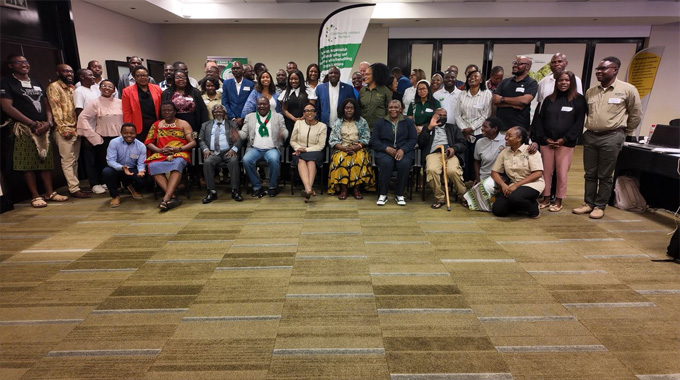
AT the 2025 Annual General Meeting of the Community Leaders Network (CLN) of Southern Africa held recently, CLN President Dr Rodgers Lubilo opened proceedings with a powerful reminder: “Conservation without communities is conservation without sustainability.”
Dr Lubilo, unanimously re-elected and elevated from Chairperson to President, emphasised that rural communities across the SADC region “must not only be participants but primary beneficiaries of wildlife economies.” He reflected on the organisation’s progress in amplifying the voice of rural communities and community-based organisations across Africa, noting achievements in policy advocacy, youth participation, and women’s leadership in conservation.
Despite global recognition of the importance of community stewardship, Dr Lubilo warned that “bureaucratic barriers, donor conditionalities and restrictive international trade bans continue to undermine Africa’s conservation models.”
He urged African governments to assert sovereignty in forums such as CITES, insisting that “decisions about elephants, ivory, or rhinos must be made with — not against — the people who live with them.”
Dr Lubilo also called for stronger regional unity, greater integration of traditional knowledge, and direct investment in local economies, saying that the resilience of community-driven conservation initiatives in Zambia, Namibia, Zimbabwe, and Botswana demonstrates that “when communities benefit from wildlife, they protect it.”
Across southern Africa, communities are proving that economic benefits from wildlife use — particularly international hunting and tourism — are powerful incentives for conservation. Critics from animal-rights groups in Western countries, Dr Lubilo argued, “demonise these communities’ needs to benefit from wildlife” while raising funds abroad “that pay fat salaries to people who harm African people and wildlife.”
Yet rural community representatives from Zambia, Zimbabwe, and Tanzania presented strong evidence that international hunting directly funds conservation and rural development.
In Zambia, Mr Isaac Banda from the Zambia Community-based Natural Resources Association said: “In rural areas, you cannot talk about conservation without community participation. And for communities to participate effectively, they need to see tangible benefits.”
He said that after hunting, “the government collects the money on behalf of the communities and the community is paid 50 percent of the hunting income, while government also gets 50 percent.”
According to Mr Banda, safari operators further support local development through corporate social responsibility commitments, funding projects such as borehole drilling, schools, clinics, and small enterprises.
“One person working under the hunting industry could support almost 10-15 families with food,” he said. “Look at my cousin who is a skinner and is earning a salary that enables him to support his children, wife, and also brothers and sisters.”
He contrasted this with photographic tourism, saying: “In Zambia, it does not channel money directly to the communities. The hunting industry is out-performing the photographic industry because the communities get direct benefits from hunting.”
Mr Banda added that wildlife poaching “has been dramatically reduced across all game management areas in Zambia” because of these socio-economic incentives.
From Zimbabwe, Ms Chipo Makoroni of the Communal Areas Management Programme for Indigenous Resources (Campfire) confirmed similar benefits. Communities there receive hunting revenue, part of which is shared with rural district councils.
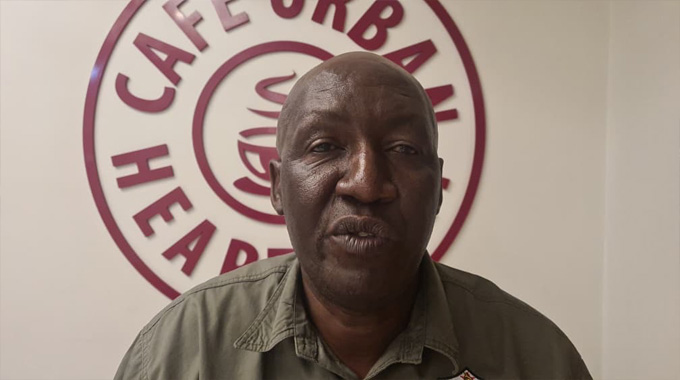
“The hunting communities are using revenue earned to build schools, clinics, and to support road repairs to ensure that communities are not cut off from essential services such as transport, education, health, and investment opportunities,” she said.
In Tanzania, a community leader managing a Wildlife Game Management Area said: “After generating income from international hunting, 50 percent is provided to the community. The remainder is used for the supervision of the area.”
Villagers elect game scouts who are trained to manage wildlife and prevent poaching.
“These are the people elected from the member villages and they are trained so they can manage their area and ensure these areas are well conserved and the community benefits from wildlife,” he explained.
International hunting revenue is used for hospital construction and other public works.
“To people who want to ban international hunting, my advice is: these resources belong to communities,” he said. “We hunt wildlife to make sure that we remove some in order to balance the population with what their ecosystem can support.”
He added that because of international hunting, “poaching is now decreasing in the case of our country [Tanzania].”
From Botswana, Mr Botshelo Sesinyi, general manager of the Okavango Community Trust (OCT), described how photographic tourism is transforming lives in the Okavango Eastern Panhandle.
“We live with the animals,” he said. “Through conservation, we manage concession NG22 and NG23 . . . operators like Wilderness Safaris and Great Plains provide us with what we call land rental fees.”
These rentals have funded critical infrastructure and employment.
“We use the funds from tourism rentals to sustain ourselves,” Mr Sesinyi said, noting that the community employs 62 people and uses tourism income to support schools and national celebrations. “We generate approximately more than US$746 000 annually,” he said.
Tourism revenue also funds local game rangers, a mortuary that eliminates the need to travel 163 kilometres, a herbarium lab, cultural village, hotel, and shops.
“Photographic tourism benefits are promoting human-wildlife coexistence and these people accept living with these animals as compared to before,” Mr Sesinyi said.
From Zambia to Zimbabwe, Tanzania, and Botswana, one message resonated throughout the AGM — when local communities share in the economic benefits of wildlife, they become its strongest protectors. Go there to see for yourself!
Emmanuel Koro is a Johannesburg-based international award-winning journalist who writes independently on environmental and development issues.