Ray Bande
Senior Reporter
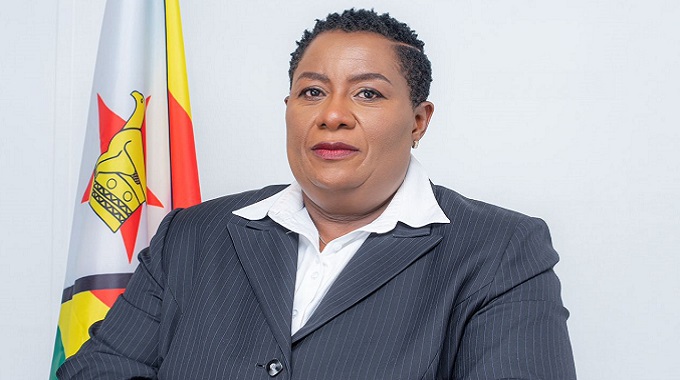
THE courts handled 8 636 drug-related cases between October 1, 2025 and September 30, 2026, with Prosecutor General, Justice Matanda-Moyo warning that prosecution alone cannot curb drug abuse without effective rehabilitation and community interventions.
Speaking at the National Prosecuting Authority (NPA) strategic plan review workshop in Mutare early this week, Justice Matanda-Moyo, said the NPA completed 7 962 cases, representing a 92,2 percent clearance rate.
“Simultaneously, the scourge of drug and substance abuse poses a grave threat to our youths and public safety. From October 1, 2025 to September 30, 2026, the Authority handled 8 636 drug cases, completing 7 962, a commendable 92,2 percent clearance rate. However, prosecutorial efficiency alone will not stem this rising tide. Our response must pair firm law enforcement with coordinated public health and community interventions,” she said, adding that the scourge has also affected prosecutors, while questioning the effectiveness of existing rehabilitation programmes.
“This issue of drug and substance abuse is a grave threat to our youths and public safety. Sometimes, to us as prosecutors, we have not been spared. We have had prosecutors sent to rehabilitation because of drug abuse. We also need to proffer advice to our rehabilitation system. Our rehabilitation system currently is not effective. People coming from rehabilitation when they go back into society, go straight back to drug abuse.
“So what are we doing wrong? How can we redress that so that once we sent a person for rehabilitation that person is truly rehabilitated?” said Justice Matanda-Moyo.
Turning to Sexual and Gender-Based Violence (SGBV), Justice Matanda-Moyo, said NPA received 9 020 cases during the first quarter of 2026, including 3 678 rape cases and 3 151 cases involving minors.
“Both SGBV and drug crimes are escalating threats to our social fabric. The tide must be stemmed urgently, as both are dangerous crimes. You must come up with strategies to achieve a 100 percent completion rate across both categories. We owe our communities nothing less,” said Justice Matanda-Moyo.
She said the NPA recorded 5 116 convictions, while 2 144 cases remain pending.
She called for closer scrutiny of withdrawals, dropped remands and acquittals.
“While 5 116 convictions demonstrate our commitment to accountability, the 2 144 pending cases alongside withdrawals, dropped remands and acquittals, require rigorous interrogation,” said Justice Matanda-Moyo.
She urged prosecutors to work more closely with the police, medical professionals and social service providers to strengthen investigations, secure forensic evidence and protect witnesses.
“We must critically review the quality of investigations, sufficiency of evidence, victim support and trial readiness. Protecting survivors, especially children, demands utmost sensitivity, strict confidentiality and trauma-informed handling.
“To give practical expression to our constitutional mandate, we must deepen operational synergy with the police, medical professionals and social service providers to secure airtight forensic evidence and protect witnesses from secondary trauma,” she said.
Justice Matanda-Moyo also criticised inadequate court infrastructure, saying shortages of facilities has forced the justice system to adopt hot-seating arrangements.
“I used to think that hot seating is meant for schools only. I never anticipated that we could see our see our justice system adopting hot-seating as is being done these days. So, we call upon the authorities to ensure that adequate infrastructure is provided. Employing people without adequate infrastructure is wasting resources,” said Justice Matanda-Moyo.
Justice Matanda-Moyo said shortages of prosecutors and magistrates, heavy workloads, inadequate court infrastructure and delays in investigations continue to undermine case management.
Justice Matanda-Moyo cited the Fast Track Court System, docket audits and improved case management as measures that have helped improve performance, but said sustainable results require adequate resources, infrastructure and coordination across the justice system.
The NPA workshop, which ends today (Friday), is reviewing the 2026-2030 strategic plan, and developing the Authority’s 2027 annual plan and performance contracts for the Prosecutor General, Secretary and Deputy Prosecutor Generals.