Online Reporter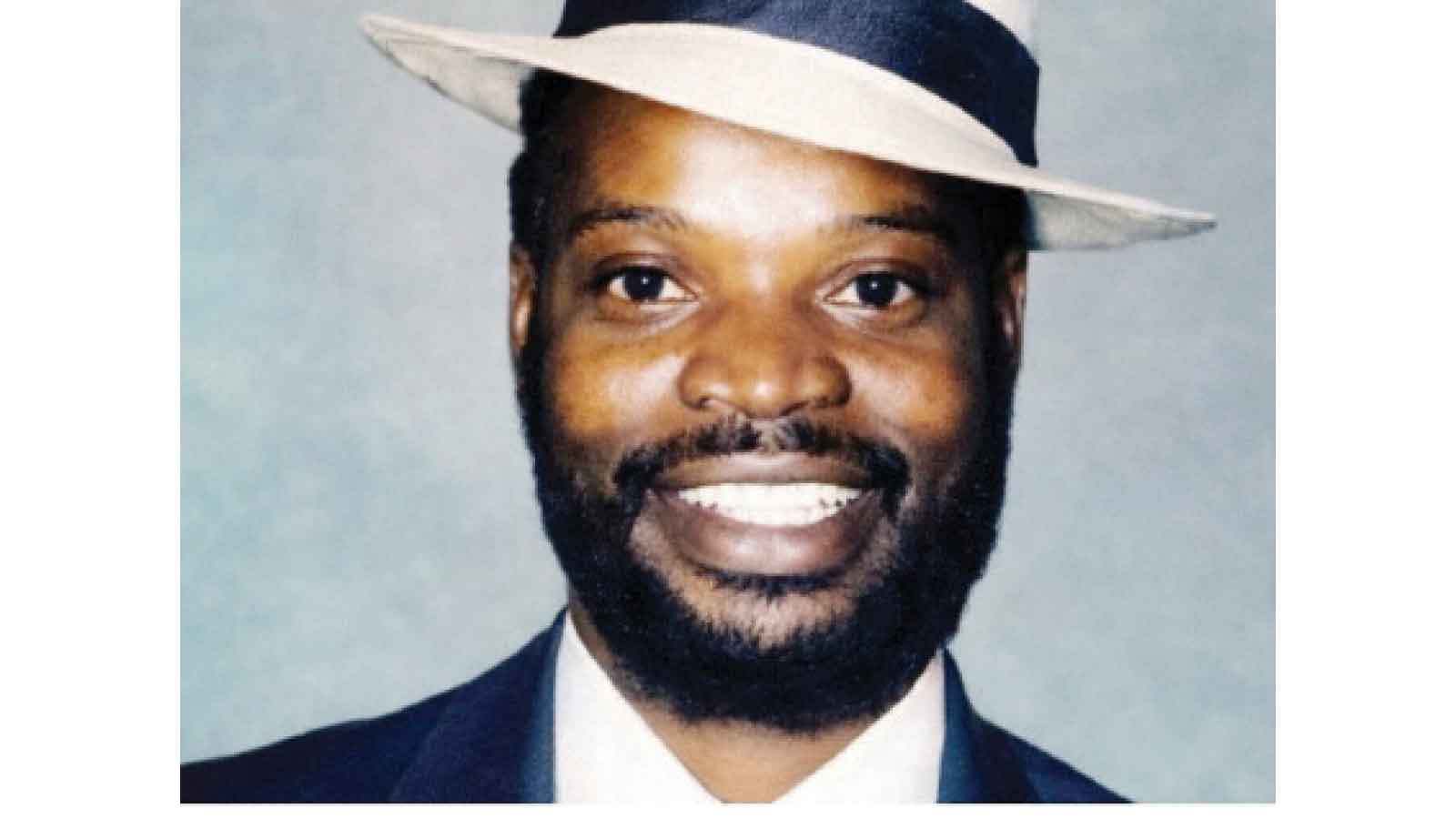
Costa Matyavira
AS Zimbabwe prepares to commemorate Heroes Day on August 10, the music of the late contemporary musician Leonard Dembo remains a powerful reminder of the sacrifices that secured the country’s Independence.
While Dembo is widely celebrated for timeless love songs such as Chitekete, Gire and Venenzia, his patriotic composition ‘Kufa Vachitambura’ stands out as one of the most enduring musical tributes to Zimbabwe’s liberation struggle.
The song honours the gallant sons and daughters of Zimbabwe who laid down their lives during the liberation war, particularly those who died at Chinhoyi, Chimoio and Nyadzonya.
Through its emotional lyrics, Dembo reminds Zimbabweans that the country’s freedom came at a great cost and that the nation’s heroes deserve lasting remembrance.
The chorus evokes the pain and pride associated with the liberation struggle:
“Ini ndorangarira magamba eZimbabwe . . .
“Kana ndorangarira vana veZimbabwe paChinhoyi vakafa vachitambura, misodzi inobuda kana ndorangarira…”
“Ini ndorangarira vana veZimbabwe paChimoio vakafa vachitambura…”
“Ini ndorangarira vana veZimbabwe paNyadzonya vakafa vachitambura…”
The lyrics reflect the sorrow of remembering those who sacrificed their lives while reinforcing the importance of preserving their legacy for future generations.
Beyond paying tribute, Kufa Vachitambura carries a message about national sovereignty and self-determination.
It echoes the principle that Zimbabwe’s Independence was won through the sacrifices of its own people and underscores the importance of safeguarding that freedom for generations to come.
The song’s message also complements the patriotic themes found in the late Simon Chimbetu’s celebrated liberation anthem Ndarangarira Gamba, another composition that has become synonymous with honouring the country’s heroes.
Dembo’s influence, however, extends far beyond patriotic music.
His classic Chitekete became one of Zimbabwe’s biggest musical exports after being played during the 1996 Miss World pageant in Namibia, introducing sungura music to a wider international audience.
The song’s enduring appeal was further recognised when it received the Silver Jubilee Award for Zimbabwe’s Best Song during the country’s 25th Independence celebrations in 2005, more than a decade after its release.
Through a career that produced timeless classics and socially conscious music, Dembo cemented his place among Zimbabwe’s greatest musical icons. Many music enthusiasts have argued that his immense contribution to Zimbabwean music and culture deserves recognition equivalent to the country’s highest artistic honours.
As the nation marks Heroes Day, Kufa Vachitambura remains more than just a song. It is a musical monument that preserves the memory of the liberation struggle, honours those who paid the ultimate price for freedom, and reminds Zimbabweans that independence was won through sacrifice and should never be taken for granted.