Nkosilathi Sibanda
THE sound of hammers, saws and carpentry machines once meant money in the pockets of families at Mpopoma’s famous Espamprikeni furniture complex.
Now, silence has taken over.
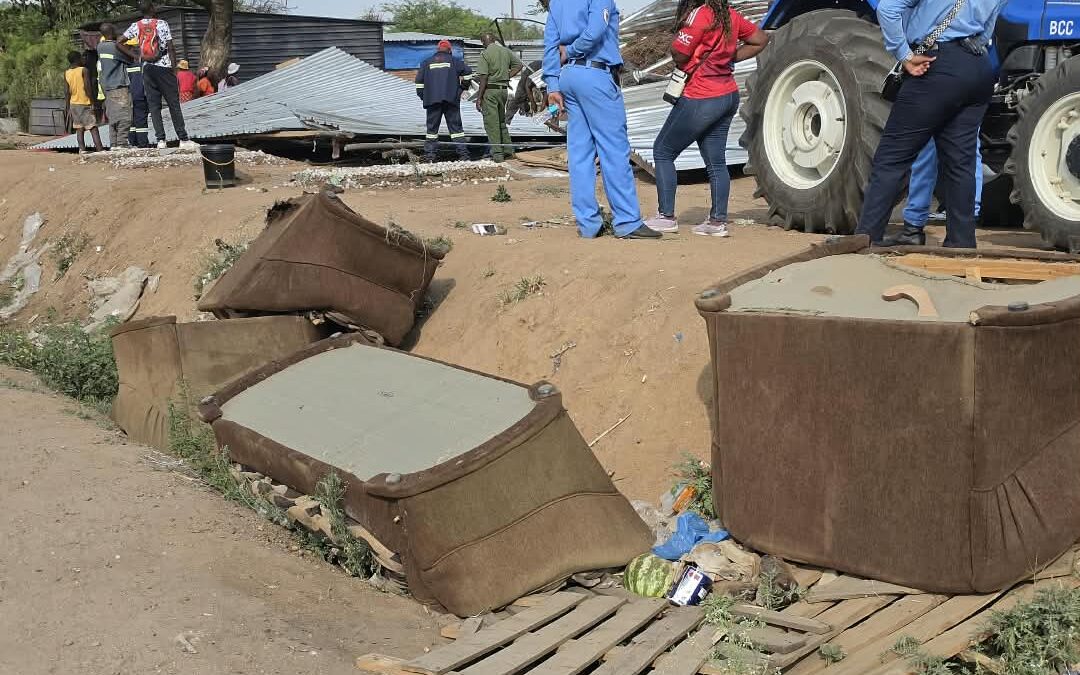
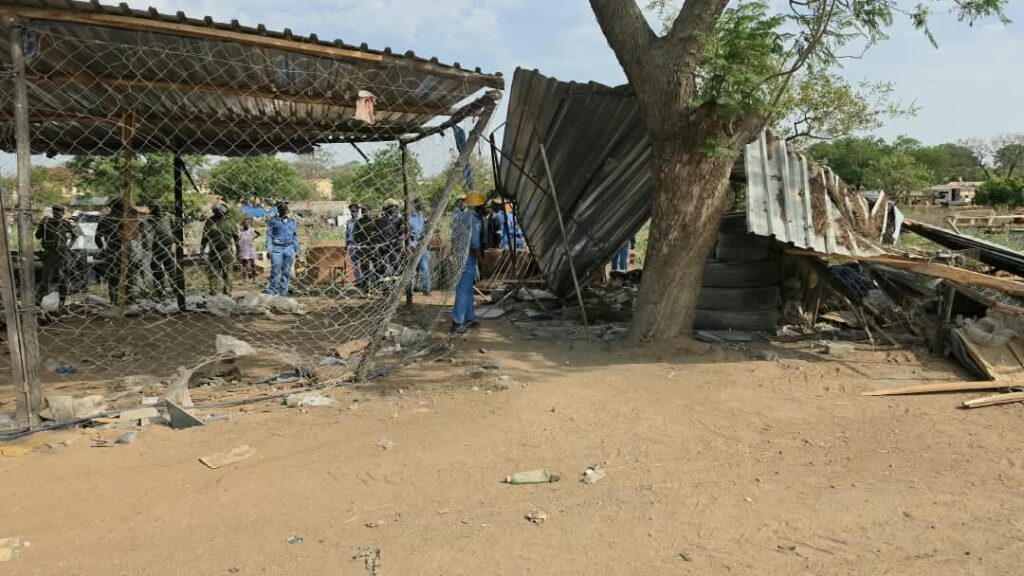
For hundreds of traders, Monday’s demolitions did not just bring down illegal structures. They shattered livelihoods, wiped out investments and left families wondering where their next meal will come from.
Behind every workshop was a dream.
Some traders had spent years building their businesses, buying machinery, timber and upholstery materials. Others had turned to furniture-making after losing formal employment.
Their workshops put food on the table, paid school fees and created jobs for other people.
But that lifeline has now been disrupted.
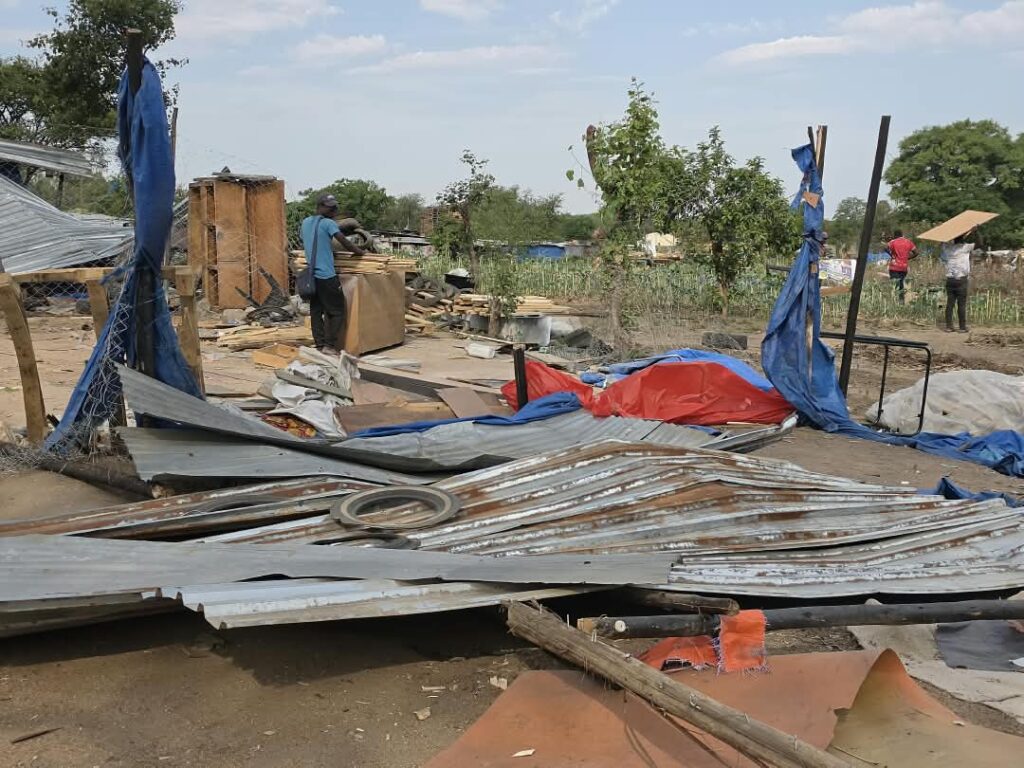
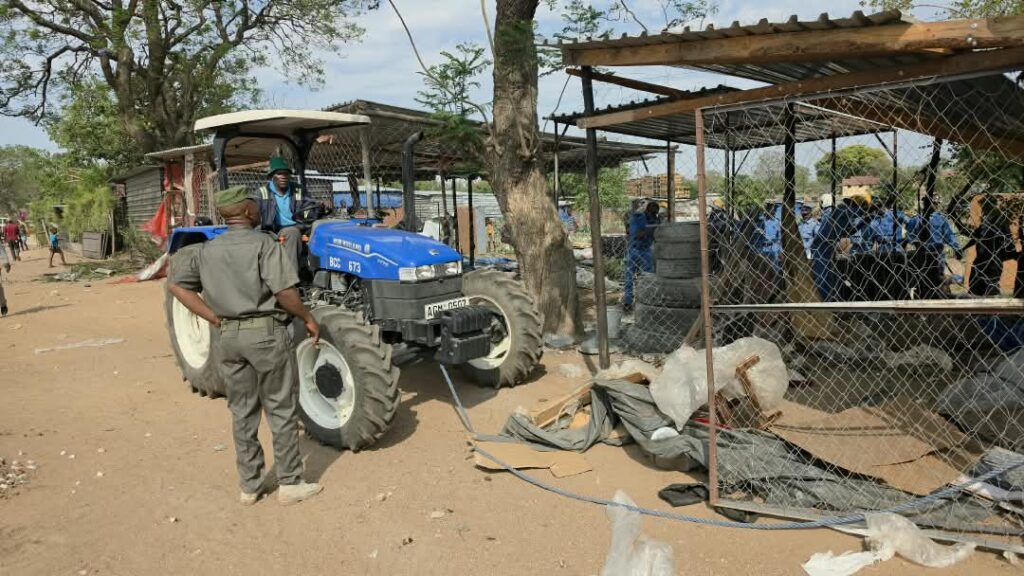
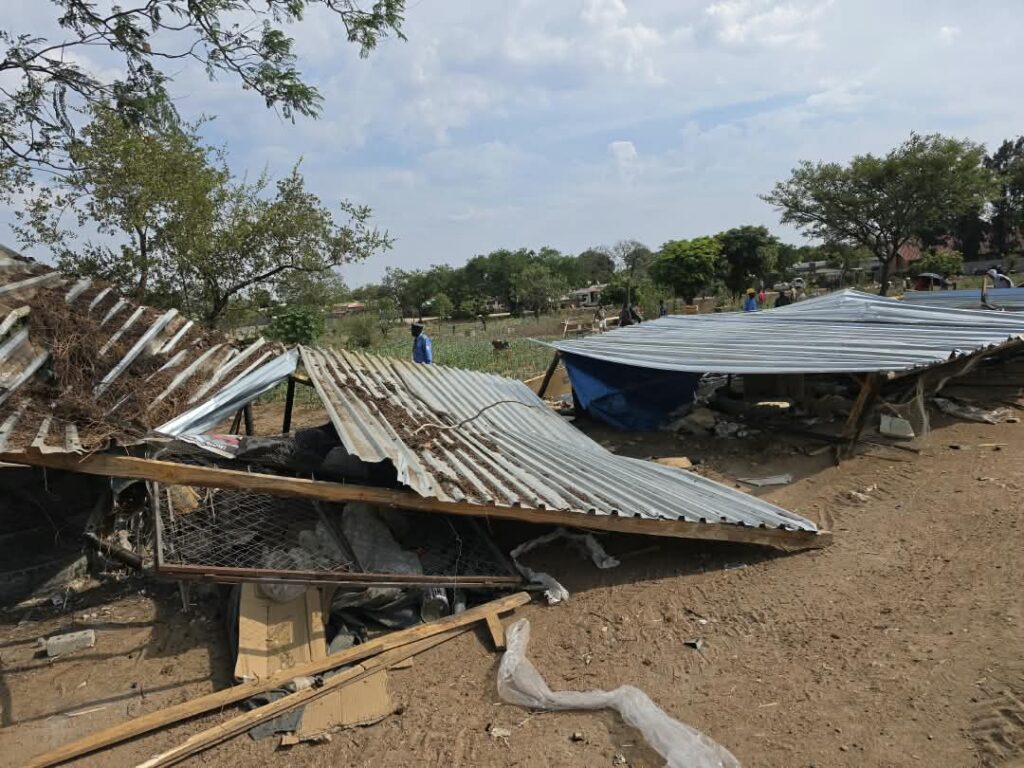
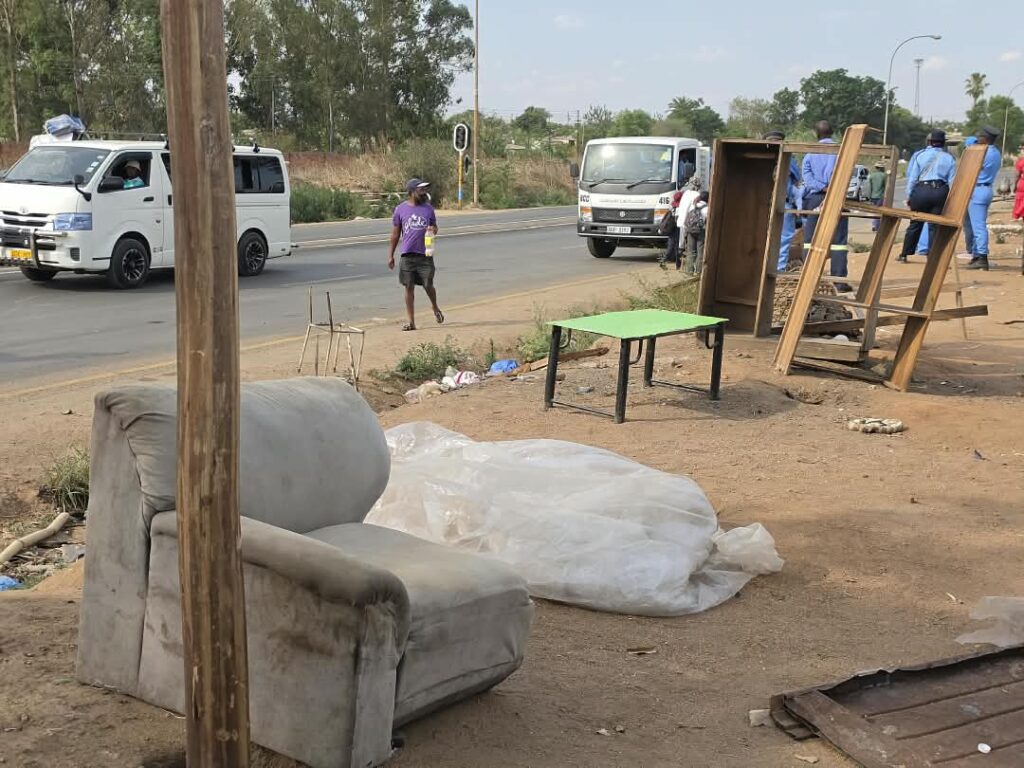
On Monday afternoon, Bulawayo City Council demolished illegal structures at the Mpopoma Outspan Furniture Manufacturing complex, popularly known as Espamprikeni.
The exercise left traders counting their losses, with many uncertain about where they will operate next.
For some, the demolitions brought back painful memories of January 2023, when a fire destroyed property belonging to more than 200 traders at the complex.
After that disaster, some borrowed money from microfinance institutions to rebuild, while others slowly bought machinery and materials to get back on their feet.
Now, they are facing another devastating setback.
Mpopoma Development Trust director Jackson Sibanda said more than 300 people, including manufacturers, employees and other small-scale traders, had been affected.
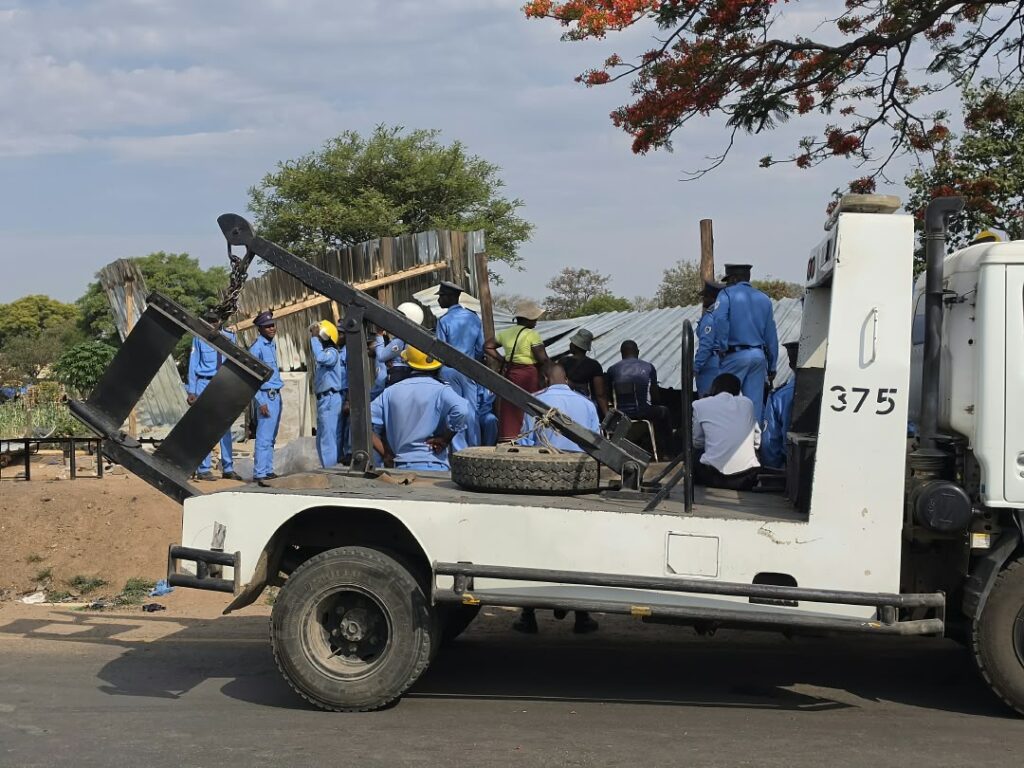
“This is disheartening. We have here close to 300 traders affected. This is their life, where they relied on. Now it’s all gone,” said Sibanda.
The demolitions have dealt a heavy blow to an economic hub that, over the years, grew to accommodate more than 200 carpenters and support over 400 jobs, according to records.
But the complex’s growth also brought challenges, including pressure on space, sanitation and safety.
Just as affected traders were coming to terms with the destruction of their workshops, Bulawayo Provincial Affairs and Devolution Minister Judith Ncube stepped in, bringing a glimmer of hope to the distressed business operators.
During a visit to the complex following the demolitions, the Minister said Government had to listen to the affected traders and work towards finding a lasting solution.
Her intervention has raised hopes that the concerns of the traders could be addressed through engagement between Government, Bulawayo City Council and the affected business operators.
While no concrete relocation arrangement has yet been announced, traders are hoping that the intervention will lead to a practical solution that allows them to resume operations and rebuild their livelihoods.
Following the 2023 fire, traders had sought additional land to accommodate their expanding businesses.
They now want the proposed alternative site developed into a fully-fledged manufacturing hub, while Espamprikeni could remain a showroom where customers buy furniture.
But they say they cannot simply move without basic services.
Running water, proper toilets and other essential facilities must be in place before manufacturing operations can resume.
The current complex has only two toilets serving the entire area, raising serious sanitation concerns.
For Levis Chisuku, who travelled from Chiredzi to establish his business, the sight of his demolished workshop was too painful to bear.
He said years of hard work had gone down the drain.
“We did not build these businesses overnight. Some of us spent many years buying machinery, timber and other materials to establish ourselves. It is painful to wake up and find that the place where you earned your living has been destroyed. We are not against development or order, but we need to be given somewhere to continue working,” said Chisuku.
He said the closure of his workshop had left his family facing an uncertain future.
“This business is what puts food on the table for my family. I have responsibilities at home, just like many other people here. When the workshop is no longer operating, it means there is no money coming in. We have children who need school fees, food and other necessities. Our biggest worry is how we will survive while waiting for a solution.”
Nicholas Ntini, who had operated at the complex for three years, also fears losing the investment he made after being retrenched from a furniture manufacturing company in Belmont.
He said starting again would be a costly exercise.
“Furniture manufacturing requires a lot of investment. We buy timber, upholstery materials, machines and other equipment before we can produce anything for sale. Some of these things cost thousands of dollars.
“When your workplace is demolished, you do not just lose a structure; you risk losing the investment you worked so hard to build. Starting again will not be easy.”
Women traders have also been caught in the upheaval.
Nobukhosini Mathonsi, who operated as a side trader at the complex, said the business had given women an opportunity to become financially independent.
“As women, we also came here with dreams of becoming financially independent and supporting our families. This business gave us an opportunity to earn our own money without depending on anyone. It is heartbreaking to see everything disrupted when we were working hard to improve our lives. We appeal for a solution that considers the people who depend on these businesses.”
For the affected traders, the issue is now bigger than demolished structures.
It is about lost income, families facing hunger, children whose school fees must still be paid and workers who may suddenly find themselves without jobs.
They are not simply asking for their workshops back. They want a practical alternative that allows them to rebuild their businesses, protect their investments and put food back on their tables.
With Minister Ncube having called for engagement and a lasting solution, traders are now waiting to see whether the intervention will translate into a place where they can once again work, earn and rebuild their dreams.