Thupeyo Muleya [email protected]
FOR years, villagers in parts of Beitbridge District endured long journeys of several kilometres to access basic healthcare, while nurses worked in dilapidated clinics without electricity, running water or decent accommodation.
That situation is gradually changing, with devolution funds enabling Beitbridge Rural District Council to invest in healthcare, education and other essential infrastructure, bringing critical services closer to previously underserved communities.
The funding, disbursed through the Inter-Governmental Fiscal Transfer (IGFT) system, is helping the local authority address longstanding service delivery gaps and improve access to essential public services across the district.
Beitbridge Rural District Council acting chief executive officer Mr Peter Ncube said the funding had enabled the council to undertake infrastructure projects that were previously beyond its financial capacity.
“Devolution funds have changed the face of service delivery in Beitbridge district. We are now able to build and rehabilitate clinics, schools and other infrastructure using funds allocated directly to the district,” he said.
Mr Ncube said between 2019 and March 2023, the council channelled devolution resources towards upgrading clinics, schools, water systems and service delivery equipment across the district.
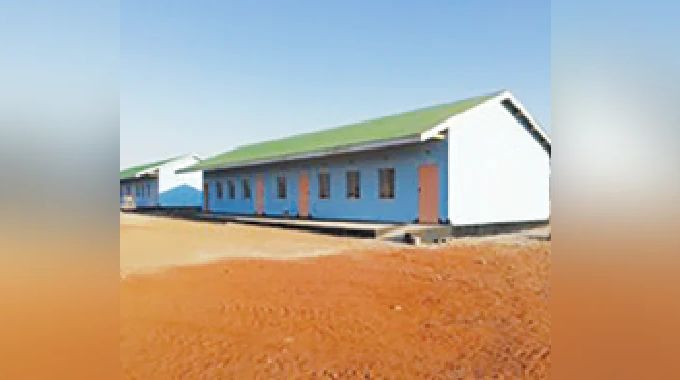
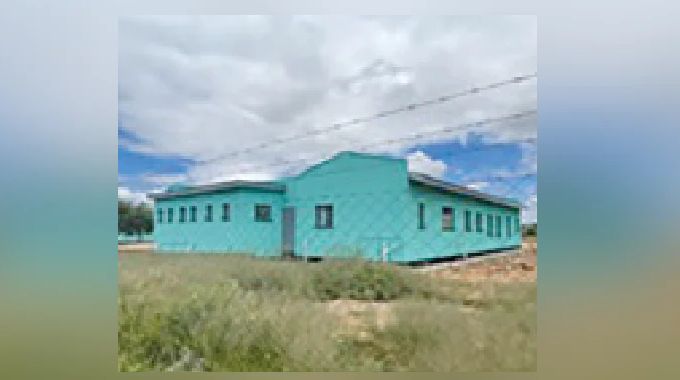
At Dumba Village, the funding has supported the construction of a new clinic, with several components of the project already completed.
Mr Ncube said construction of the waste management zone and Blair toilets had been completed, while electrical tubing and wiring for the main clinic and staff houses had been installed and approved by the Zimbabwe Electricity Supply Authority (Zesa).
The council has also installed a water tank stand, while an application for electricity connection is being processed.
“Construction of the waste management zone and Blair toilets is complete, save for the roofing and fencing of the waste management area. Electrical tubing and wiring for both the main clinic and staff houses are complete and approved by Zesa,” said Mr Ncube.
Once fully completed and operational, Dumba Clinic is expected to reduce the distances villagers travel to access primary healthcare, including essential maternal and child health services.
At Shashe Clinic, devolution funds were used to re-roof the main clinic building and replace its ceiling, with the facility now fully functional.
“Re-roofing of the main clinic building is complete and the ceiling has also been replaced. The clinic is now functional,” said Mr Ncube.
At Tshabili Clinic, the council constructed two F14 staff houses and extended electricity infrastructure to the clinic and staff accommodation.
Plumbing works for three staff houses have also been completed, alongside water reticulation. The clinic has since been commissioned to serve communities in Beitbridge East.
Mr Ncube said water connections and repairs had also been completed, while ZESA had approved the structures for electricity connection.
At Mazunga Clinic, devolution funds facilitated the installation of a sluice, while Zezani Clinic benefitted from emergency repairs after heavy storms on January 29, 2023, blew off the roof of a staff house.
The damaged roof has since been replaced, restoring the integrity of the affected accommodation.
Beyond healthcare, the council has extended its investment to education infrastructure, recognising the importance of improving learning environments and access to quality education in rural communities.
At Novhe Primary School, two classroom blocks and two F14 staff houses have been completed, alongside two squat holes for the staff houses. A borehole was also drilled and equipped, and the school is now operational.
“Two classroom blocks were completed, two staff houses were also completed, and two squat holes for the staff houses were completed. The borehole was drilled and equipped,” said Mr Ncube.
The council also channelled part of its allocation towards repairing classroom blocks damaged by storms at Mapani Primary School, Tshitulipasi Secondary School, Tshabeta Primary School and Mpande Primary School.
In addition to social infrastructure, devolution funds have strengthened the council’s operational capacity through the purchase of a front-end loader/backhoe and a supervision vehicle, improving its ability to undertake development projects and monitor service delivery.
The council has also embarked on constructing cattle sale pens at Madibeng in Ward 9, an investment expected to improve livestock marketing infrastructure and stimulate economic activity within the local community.
Despite the progress, Mr Ncube said implementation had been affected by several challenges, including frequent changes in construction material prices, delayed disbursement of funds, policy changes affecting prices and a shortage of reputable local contractors.
Nevertheless, the investments demonstrate how devolution is enabling rural authorities to address infrastructure deficits, strengthen service delivery and create a foundation for more inclusive development across Beitbridge District.