Rosenthal Mutakati-Ghetto Blast
DISHONESTY has become a cancer so deeply embedded across the country that it is now rare to find anyone untouched by its scourge.
From family dynamics to romantic pursuits and professional relationships, a pervasive web of deceit continues to distort everyday Zimbabwean reality.
In families, the desperation to maintain social standing drives parents to elaborate fabrications.
Embarrassed by children serving prison sentences for theft, many claim their offspring are thriving in South Africa. This facade, however, is frequently shattered by official photographs of inmates participating in restorative justice and rehabilitation programmes to seek peace with those they wronged.
Called “Vharom”, “Vharaz”, “Closers”, “Kusona,” “Manyepo”, “Fibs” or “Jutaz” the deception is often more pronounced in romance.
Women are routinely targeted by suitors selling “bottled smoke” — men who promise heaven on earth despite being so financially destitute they can barely afford basic subsistence.
This culture of falsehood extends deep into the workplace. Employers are systematically deceived by workers fabricating financial emergencies to secure cash advances. While these loans are presented as essential relief to augment low incomes, the funds are frequently splurged on women and alcohol.
Ultimately, these interconnected untruths have woven a nationwide web of deception, eroding social trust at every tier of community life.
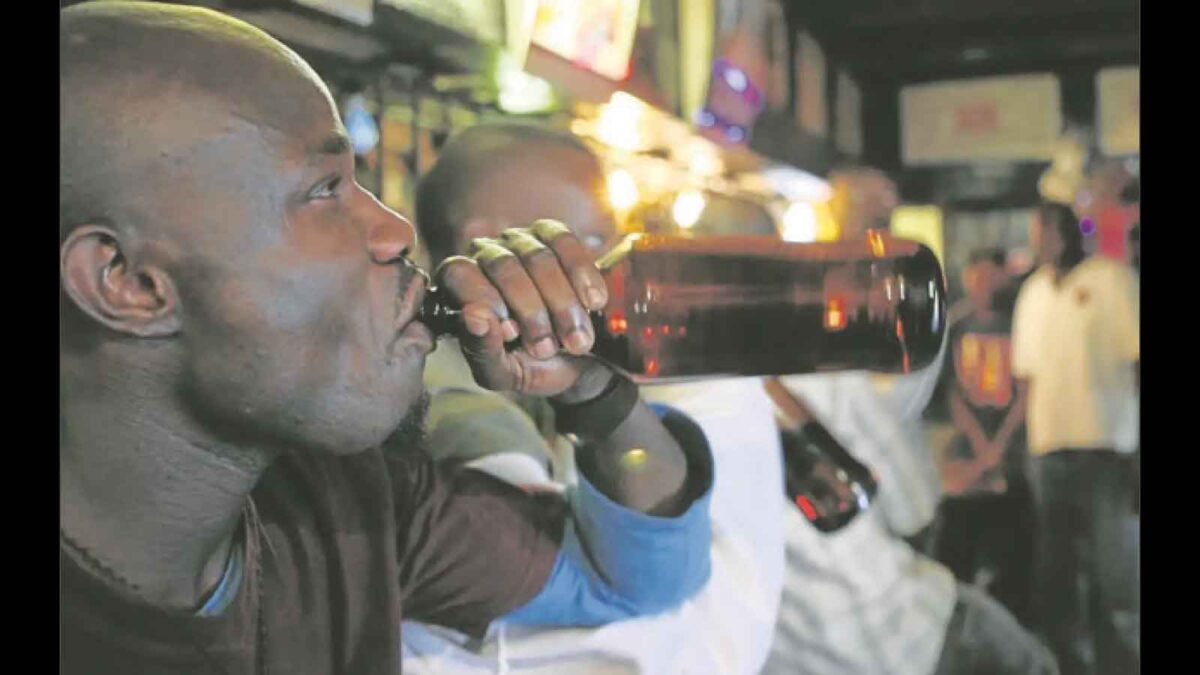
Nowhere is this grand theatre of mendacity performed with greater audacity than in the sun-drenched, effervescent high-density township of Glen Norah — a southern Harare enclave justly famed for its cacophonous shebeens, neon-lit bottle stores, and establishments where beer flows with greater predictability than municipal tap water.
In this vibrant locality, truth is routinely stretched tighter than a commuter omnibus at peak hour, and for some, fabrication is a finely calibrated performance art.
Enter Muchadura and Muchachema, a duo of habitual fabulists whose collective relationship with the truth can best be described as entirely estranged. These two gentlesmiths of the tall tale possessed tongues so lubricated by deceit that they could effortlessly sell bottled smoke to a chimney sweep.
To them, a factual statement was an existential threat, an uninspired lack of imagination. They had lied to bosses, betrayed suitors, and bamboozled creditors across the length and breadth of the suburb, routinely funding their weekend escapades in local watering holes through the sheer currency of their fabrications.
However, the absolute zenith of their theatrical dishonesty was reached on a dusty Tuesday afternoon when the pair, suffering from an acute and agonising depletion of liquid capital, devised a plot of staggering audacity. They decided to exploit the sacred, unyielding African tradition of community solidarity.
With faces contorted into masks of theatrical grief, eyes squeezed dry of tears but overflowing with practiced melancholy, Muchadura and Muchachema traversed the streets of Glen Norah.
They carried a tattered exercise book and a plastic ice-cream tub, knocking on doors to announce a catastrophe of monumental proportions: their revered, patriarchal grandfather — the ballast of their family tree — had allegedly succumbed to a sudden, catastrophic affliction and departed this mortal coil.
“He is gone!” Muchachema wailed, his voice cracking with a vulnerability that would have earned him a standing ovation at the West End. “The old tree has fallen, and we are left exposed to the elements!”
Muchadura, playing the stoic, but deeply broken companion, nodded solemnly, shaking the plastic tub with rhythmic gravity. “The funeral expenses are mountainous, dear neighbours. Any token of condolence, any small cash donation to help us give the old man a dignified send-off, would be a blessing.”
The community of Glen Norah, bound by an intrinsic spirit of ubuntu, responded with profound generosity. Hard-working residents, vendors, and even patrons from the local shebeens dipped into their modest pockets.
Dollars, coins, and crinkled banknotes rained into the plastic tub. The duo’s hearts swelled with avaricious glee as they calculated the sheer volume of golden lager and premium spirits this windfall would purchase at the nearest bottle store.
By late afternoon, swollen with pride and the intoxicating success of their fraud, Muchadura and Muchachema made a fatal strategic error.
Emboldened by their newly acquired wealth, they decided to lead a solemn procession of mourning neighbours towards the family home to view the site of the tragedy. It was to be the final, glorious curtain call of their masterpiece.
As the sombre entourage rounded the dusty corner near the local marketplace, a spectacle unfolded that caused the entire procession to grind to a sudden, bewildered halt.
There, bathed in the golden hues of the Zimbabwean late-afternoon sun, stood the supposedly deceased patriarch. He was not wrapped in a shroud, nor was he hovering in the ethereal realm.
Instead, the old man was exceptionally, undeniably, and robustly alive, clad in a faded pair of trousers and merrily wielding a green hosepipe.
With a posture that defied his advanced years, he was meticulously watering his thriving vegetable garden, humming a cheerful, syncopated tune as a brilliant arc of crystalline water sprayed over his prize-winning covo and tsunga leaves.
The silence that descended upon the crowd was absolute, save for the gentle rhythm of the water striking the mud. Muchadura’s jaw dropped so low it nearly made contact with the Harare topsoil, while Muchachema’s theatrical complexion turned an ashen shade of green that perfectly matched the old man’s vegetables.
“Grandfather?” a voice from the crowd whispered, utterly confounded.
The old man turned, shutting off the tap with a firm twist, looking at the gathering of fifty staring faces with immense bewilderment. “What is the meaning of this assembly?” he inquired, his voice ringing out with terrifying clarity and health. “Have you all come to admire my tomatoes?”
The game was up. The curtain had fallen, and the audience was furious. In a matter of seconds, the solemn procession transformed into an outraged tribunal of public shaming.
The web of lies collapsed under the weight of the old man’s immaculate health. Neighbours snatched back their hard-earned cash from the plastic tub, showering the duo not with blessings, but with a torrential downpour of unreserved scorn and linguistic fire.
Exposed as the ultimate architects of social sacrilege, Muchadura and Muchachema fled the scene, pursued by the roaring laughter and righteous indignation of Glen Norah.
It is whispered in the local shebeens to this day that whenever the duo dares to show their faces, the patrons raise their glasses and offer a mocking toast to the health of the most resurrected grandfather in Zimbabwe.
Inotambika mughetto.