admin
admin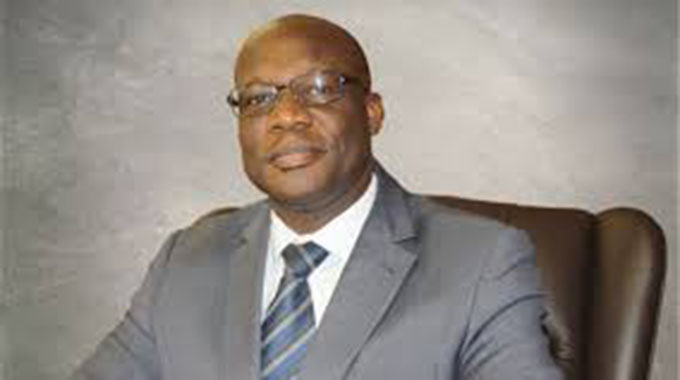
Paidamoyo Chipunza Senior Health Reporter
Domestic funding for health has gone up by 11 percent from 2017 to $583 million this year, accounting for 59 percent of total resources in the health sector, Secretary for Health and Child Care Dr Gerald Gwinji has said.
Presenting the 2019 health sector budget framework before the Parliamentary Portfolio Committee on Health and Child Care on Wednesday last week, Dr Gwinji said of this amount, 78 percent ($455 million) came from Government through budget allocations while the remainder was availed by local authorities and the National Aids Council (NAC).
He said the Health Levy, which is funded by airtime deductions, has so far received about $42 million from Treasury and the allocations have since been channelled towards procurement of medicines, blood and blood products, medical equipment, vaccines, central hospital dialysis and BOC gases.
“Utilisation of the Health Levy has been met with challenges of unavailability of off-the-shelf products on the local market and un- availability of foreign currency,” said Dr Gwinji.
He said the ministry will continue to lobby for increased allocations from the Reserve Bank of Zimbabwe and pursue swop arrangements with development partners.
“We will give them the local equivalent in exchange for procurements for short to medium term,” he said.
Dr Gwinji said, on the other hand, this year external funding towards health decreased by $63 million.
“Over the past few years, Zimbabwe health programmes have consistently been funded by a mix of domestic and external resources. External financing sources contributed an average of 50 percent of total funding across the five years 2014-18, with a high of 50 percent total funding recorded in 2014 and a low of 41 percent in 2018,” said Dr Gwinji.
He said these figures overall make Government the single largest funder of healthcare. He said for 2019, the ministry had requested about US$1,313 million but about $689 million had been allocated, leaving a funding gap of almost half of the requested budget.
For 2019, Dr Gwinji said Government was looking forward to embarking on new projects, such as construction of district and rural hospitals. He said the ministry was also appealing for unfreezing of 3 230 posts from a total of 6 875 to ensure continuity in the health delivery system.
Meanwhile, in their contribution to the 2019 budget, Community Working Group on Health (CWGH) reiterated that Government must allocate 15 percent of the National Budget towards health. CWGH executive director Mr Itai Rusike said Government must also prioritise strengthening of the national referral system as well as improving availability, accessibility and affordability of health services.
“The country must reaffirm and demonstrate its commitment to the values and principles of primary health care, namely: equity, solidarity, social justice, universal access and community participation,” he said.


 Online Reporter