Online Reporter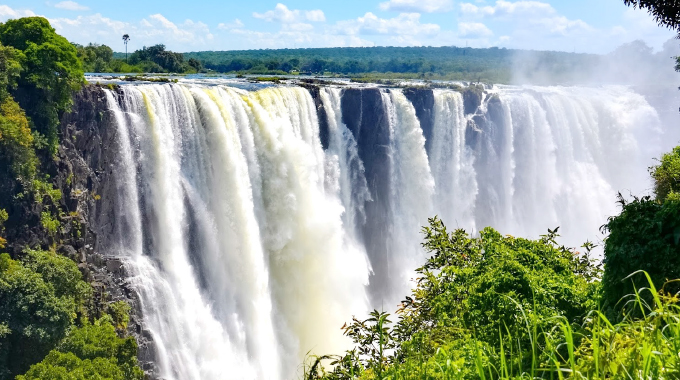
Dr George Manyaya
Preparations for the premier tourism exhibition, Sanganai/Hlanganani Dzimbahwe Tourism Expo, to be held at the Gymkhana Events and Conference Centre in Masvingo from September 9 to 12, are at an advanced stage.
Significant progress has been recorded across infrastructure development, exhibition facilities, roads, utilities, accommodation coordination, tourism product readiness and stakeholder mobilisation.
We are now in the final stretch, and the key priority is to accelerate outstanding construction and site-development works, finalise logistics and ensure that all tourism and hospitality establishments are fully prepared to receive visitors.
Road and air transport arrangements for the expo have been fully secured.
We want to thank the Ministry of Transport and Infrastructural Development for supporting in rehabilitating some roads through funds from the Zimbabwe National Road Administration. Through our partnership with Air Zimbabwe, a dedicated charter flight will transport international buyers directly to Masvingo, providing efficient and seamless access to the expo.
fastjet is simultaneously promoting Destination Zimbabwe and the Sanganai/Hlanganani/Dzimbahwe Tourism Expo across its flights, strengthening the country’s visibility and positioning Zimbabwe as a compelling tourism destination.
Aviation is a strategic enabler of tourism growth and a critical component of Zimbabwe’s ambition to become a regional hub for leisure and MICE (meetings, incentives, conferences and exhibitions) tourism.
This partnership reflects the strong interdependence between aviation and tourism: Aviation expands market access, while tourism drives demand, visitor flows and economic value. A total of 133 international buyers have confirmed participation, compared to 89 last year, representing a 49,4 percent year-on-year increase, with the Germans having arrived in the country on September 1, 2026.
The buyers are from Japan, China, Hong Kong, India, the United States, the United Arab Emirates, France, Germany, the United Kingdom, South Africa and other African markets.
Zimbabwe stands out to international buyers not by competing solely on price or individual attractions, but through the depth, diversity and authenticity of the overall Zimbabwean experience.
Unique experiences
Our competitive advantage is the ability to offer, within one destination, a combination of iconic attractions, exceptional wildlife, rich culture, adventure, heritage and warm hospitality.
Key differentiators include the following: Victoria Falls as a global anchor: Zimbabwe offers one of the most compelling experiences of Victoria Falls, complemented by the Zambezi River and a wide range of adventure and luxury products.
Exceptional wildlife and wilderness: Destinations such as Hwange, Mana Pools, Gonarezhou and the Zambezi provide diverse safari experiences, including some of Africa’s most remote and authentic wilderness environments.
A strong heritage proposition: Great Zimbabwe, Matobo and other cultural and historical sites provide a distinctive heritage dimension that complements the traditional safari and adventure offering.
Authentic, uncrowded experiences: Zimbabwe can offer buyers opportunities to take their clients beyond the conventional tourism circuit, with intimate wildlife encounters, walking safaris, canoeing, fishing and community-based experiences.
A compelling combination of products: Few destinations can combine Victoria Falls, Big Five safari, UNESCO heritage, adventure, culture and wilderness in a single itinerary with relatively manageable internal travel distances.
Zimbabwean hospitality: The warmth, professionalism and genuine engagement of Zimbabweans remain an important intangible asset and contribute significantly to visitor satisfaction.
Value for the discerning traveller: Zimbabwe is particularly well-positioned for high-value, experiential and luxury tourism, where travellers are seeking exclusivity, authenticity and meaningful experiences rather than mass tourism. Strategically, our message to international buyers should, therefore, be: Zimbabwe is not simply an alternative to other regional destinations; it is a unique destination of choice that offers experiences that are distinctly Zimbabwean.
Our objective is to position “Experience Zimbabwe” on the narrative of “more than a destination, an authentic Southern African journey”, converting our natural, cultural and human assets into differentiated, easy-to-access tourism experiences.
The Sanganai/Hlanganani Dzimbahwe Tourism Expo is deliberately positioned as a B2B (business-to-business) platform, rather than simply a tourism exhibition. The real measure of its success is not the number of people who walk through the exhibition doors, but the extent to which meetings held at the expo subsequently translate into contracts, itineraries, bookings, repeat business and new market access for Zimbabwean tourism enterprises.
There are several mechanisms that the Zimbabwe Tourism Authority (ZTA) is using to strengthen this conversion.
Quality and selection of hosted buyers: We have progressively moved towards a more targeted approach to buyer recruitment, selecting buyers based on their markets, product portfolios, business potential and ability to package Zimbabwe.
The Sanganai/Hlanganani Dzimbahwe programme describes its buyers as being carefully selected and verified for their potential to fulfil business partnerships. This is particularly important because 100 relevant buyers who are actively selling Africa can be more valuable to Zimbabwe than 500 visitors who have no commercial interest in the destination.
Structured business-matching process: The Sanganai/Hlanganani Dzimbahwe Tourism Expo brings buyers and exhibitors together for pre-arranged appointments, allowing Zimbabwean operators to meet travel agents, tour operators, wholesalers and other trade partners who can incorporate Zimbabwe into their programmes.
Previous editions of the expo attracted hundreds of exhibitors and a substantial pool of hosted international buyers, with the programme specifically incorporating appointments between buyers and sellers.
However, the meeting itself is only the beginning. The critical next step is follow-up.
ZTA needs to, and is increasingly, investigating the buyer journey beyond the three or four days of the expo and interrogate the following: Who did the operator meet? What products were discussed? Was Zimbabwe subsequently included in the buyer’s programme? Did the buyer request rates, itineraries or contracts?
Did a familiarisation trip follow? And ultimately, did tourists arrive?
Familiarisation trips (FAMs) as a conversion tool: Buyers are not expected to package what they have never experienced. This is why Sanganai/Hlanganani is increasingly being linked with pre- and post-expo familiarisation tours.
For instance, in 2025, the hosted buyers who attended Sanganai/Hlanganani Kumbanayi in Mutare were taken on pre-expo familiarisation tours of the Eastern Highlands.
Similarly, this year’s edition will see the buyers being hosted on pre-tours of the southeastern region of Zimbabwe.
The same principle is being applied to different tourism regions. When a buyer physically experiences Zimbabwe’s tourism products such as the Victoria Falls, Great Zimbabwe, Hwange, Gonarezhou, the Eastern Highlands or our cultural and community tourism products, they are in a much stronger position to package and sell those experiences.
Market segmentation: We are moving away from the idea that one buyer should sell everything Zimbabwe has to offer. Different buyers are being connected with products relevant to their clientele such as wildlife and safari, holiday and recreation, MICE tourism, culture and heritage, adventure, study tourism and religious tourism. This allows a Zimbabwean operator to have a much more meaningful commercial conversation, not simply “Come and visit Zimbabwe”, but “Here is the product, here is the target customer, here is the itinerary, here are the rates and here is how you can package it.”
The role of ZTA does not end when the buyer leaves Zimbabwe: Our overseas and regional marketing activities through our tourism attaches provide an important bridge between the expo and the marketplace.
Measuring outcomes
The objective is to continue engaging trade partners through sales missions, trade shows, digital marketing, product training, media engagement and targeted campaigns.
Ultimately, we must move from measuring activity to measuring conversion.
Going forward, the stronger indicators should include the number of Zimbabwean operators that secure new distribution partners, the number of Zimbabwe products added to international itineraries, enquiries received, leads converted into contracts, passenger bookings generated, repeat business and the value of business attributed to trade engagements.
This is particularly important because Sanganai/Hlanganani has grown into a significant international business platform.
It has been described as a platform for networking, deal-making and showcasing Zimbabwe’s tourism potential.
The challenge now is to ensure that deal-making becomes deal-sealing, and deal-sealing becomes arrivals and revenue.
Accommodation
We acknowledge that accommodation capacity has been a key consideration, particularly given the anticipated increase in tourists during the expo period.
ZTA has been working closely with accommodation establishments and other stakeholders to identify, coordinate and maximise available room stock across Masvingo and surrounding areas. Importantly, we have also introduced an initiative to register suitable private homes for homestay accommodation, which has brought additional rooms into the available accommodation pool.
This has provided an important supplementary source of accommodation while also giving local residents an opportunity to participate directly in and benefit from the expo.
We are, therefore, taking a provincial and diversified approach to accommodation, combining hotels, lodges, guest houses and registered homestays to ensure that tourists and hosted buyers are comfortably accommodated.
Our focus is not only on promoting established attractions such as Great Zimbabwe. We are actively encouraging the development and packaging of new and complementary experiences around culture, heritage, adventure, gastronomy, wildlife, community-based tourism, events and conferencing.
The objective is to position Masvingo as a multi-experience destination, encouraging visitors to stay longer and explore beyond the traditional attractions.
The Masvingo chapter is expected to leave a lasting legacy beyond the event itself. We are looking at strengthened tourism infrastructure, improved destination visibility, enhanced skills among tourism players and stronger linkages between communities, tourism operators and markets.
Most importantly, we want the expo to position Masvingo as a multi-experience destination and create opportunities that continue benefitting the province and Zimbabwe long after the event.
Heritage-led tourism
Zimbabwe’s heritage-led tourism development is firmly anchored in the national vision of leveraging the country’s rich natural, cultural and historical assets as catalysts for sustainable economic growth.
This approach is underpinned by the heritage-based development philosophy championed by President Mnangagwa, which places the country’s heritage at the heart of national development and tourism growth.
Through the “Nhaka Yedu, Ilifa Lethu, Our Heritage” thrust, Zimbabwe is increasingly transforming its heritage assets, indigenous knowledge and cultural identity into distinctive tourism experiences that strengthen destination appeal while creating opportunities for communities.
The heritage and cultural tourism drive has been further strengthened by the stewardship of the Patron of Tourism and Hospitality Industry, Dr Auxillia Mnangagwa, whose initiatives have helped elevate Zimbabwe’s indigenous cuisine, traditions and cultural practices into compelling tourism experiences.
Amai’s Traditional Cookout Competitions have particularly positioned gastronomy as an important component of the country’s tourism offering, supporting the preservation of the culinary heritage while creating opportunities for women, the youth and communities across the country.
This momentum has now been reinforced by the Cabinet-approved Zimbabwe Gastronomy Tourism Strategy (2026-2030), which seeks to institutionalise gastronomy as a high-value tourism product.
This progress could not be achieved without the industrious leadership of Tourism and Hospitality Industry Minister Barbara Rwodzi, who has been steering the ministry’s tourism agenda and championing an aggressive destination marketing strategy to expand Zimbabwe’s visibility across key domestic and international markets.
Under her leadership, the ministry and its agencies have intensified destination promotion through targeted road shows, tourism showcases, market engagements and strategic campaigns designed to stimulate demand, strengthen destination competitiveness and convert Zimbabwe’s diverse tourism assets into increased visitation, investment and economic opportunities.
Domestic tourism
ZTA promotes domestic tourism alongside its international marketing efforts through targeted campaigns designed to build a local culture of travel. The authority realised that many citizens do not traditionally visit sites like the Great Zimbabwe monuments and many others that are within the citizens’ locality.
The ZTA actively diversifies its approach to engage citizens across all socio-economic backgrounds through:
- The “ZimBho” Campaign — It is anchored in local street slang “Bho”, meaning good. The ZimBho Domestic Tourism Campaign targets the domestic market. It aims to break the perception that travel is strictly for foreigners; instead, it is for everyone at various levels of incomes and preferences.
- In 2026, ZTA, led by the Ministry of Tourism and Hospitality Industry, launched the “Nhaka Yedu, Ilifa Lethu, Our Heritage” campaign. This drive was launched to reinforce the “ZimBho” campaign by spotlighting our culture, gastronomy and music, including mbira, to instil national pride and a culture of travel in locals.
- ZTA continues to make efforts to lower the financial barrier for Zimbabweans through collaborations with local operators to advocate for accessible tourism products and a pricing system that can be customised to budget-friendly holiday options. The authority encourages localised day excursions, weekend family packages and instalment-based booking structures.
- Segmented/niche marketing — The authority actively segments the domestic market by tailoring promotions into various clusters so that every potential traveller can be catered for. The segments follow clusters such as business tourism, religious tourism, study tourism, and visiting friends and relatives. ZTA strives to divert focus from the popularly known places, and expose locals to lesser-known areas — hidden gems. Domestic tourism is no longer being treated as an afterthought to international tourism.
It is an important pillar of Zimbabwe’s tourism growth strategy because a destination that is appreciated by its own citizens is much easier to sell to the rest of the world.
Historically, there has been a perception among some Zimbabweans that tourism is something primarily designed for international visitors. It was not surprising for Zimbabweans to travel to Dubai, Cape Town or Johannesburg, but not visit Great Zimbabwe, Matopos, Mana Pools or some of the country’s other major attractions. There is a need to change that mindset. That is why the Ministry of Tourism and Hospitality Industry, through the Zimbabwe Tourism Authority, has progressively developed dedicated domestic tourism campaigns.
One of the important milestones was the launch of the “ZimBho” domestic tourism campaign, which was specifically designed to promote local travel and inculcate a culture of travelling among Zimbabweans.
The initiative is paying off as the destination recorded growth of 27 percent in domestic tourism during the first half of 2026. The campaign also sought to unlock opportunities for local businesses and strengthen the tourism economy. The approach today is becoming much more practical and experiential.
We are selling experiences, not simply attractions. Telling a Zimbabwean to “Go and see Great Zimbabwe” may not be enough.
We need to address the following questions: Why should I go? What will I do there? How much will it cost? Where will I stay? Who can I travel with? What can my family experience?
Therefore, the emphasis is increasingly on packaging destinations into affordable and compelling experiences.
These could be weekend trips, family holidays, school and educational tourism, cultural experiences, adventure tourism, wellness, wildlife and nature-based experiences.
Great Zimbabwe is a particularly good example. It should not be marketed simply as an ancient monument. It can be positioned as a heritage experience combining the monument, local culture, storytelling, food, crafts, accommodation and the broader Masvingo destination.
This is consistent with the direction of the Great Zimbabwe Destination Tourism Development and Marketing Strategy, which specifically identifies domestic markets and local regions as important target markets. We are also taking the campaign to where Zimbabweans consume information.
Domestic tourism marketing increasingly needs to be digital, visual and social.
We are using social media, the local media, influencers, radio, television and partnerships with tourism businesses to show Zimbabweans what they can experience within their own country.
The message is essentially that you don’t have to leave Zimbabwe to have a memorable holiday. This is particularly important for younger Zimbabweans, who respond differently to traditional tourism advertising. They want experiences that are graphic, shareable, affordable and relevant to their lifestyles. Affordability is another critical part of the equation.
We cannot realistically promote domestic tourism without addressing the perception that tourism is expensive.
Therefore, there is a need for operators to develop citizen-friendly packages, weekend packages, family rates, school packages, shoulder-season promotions and payment options that make travel more accessible.
The tourism industry also benefits when hotels, lodges, attractions, transport companies and tour operators collaborate rather than selling isolated products. For instance, a family travelling from Harare to Masvingo should be able to purchase an integrated package covering transport, accommodation, Great Zimbabwe and other experiences.
We are also deliberately demystifying the definition of a tourist, such that a domestic tourist is not only someone taking a traditional holiday. A person travelling for a wedding, church gathering, sporting event, graduation, family visit, school trip or cultural event is also generating tourism expenditure. This is becoming increasingly visible in the numbers.
According to the first quarter 2026 tourism performance, domestic tourism trips increased to an estimated 2,62 million in the first quarter of 2026, compared to 1,94 million during the same period of 2025, with social travel, religious tourism and educational travel contributing to the growth. This is evidence that Zimbabweans are travelling. The opportunity is to convert more of that travel into deliberate tourism consumption. Domestic tourism is about national ownership of our heritage.
There is a deeper reason we want Zimbabweans to visit places such as Great Zimbabwe as it is not simply a tourism product. It is part of the historical identity from which the country derives its name.
If we want future generations to value, protect and promote our heritage, they must first experience and understand it.
This is why the current domestic tourism drive is also being framed around pride in Zimbabwe, our heritage and our shared identity.
Recently, ZTA’s messaging around domestic tourism has explicitly connected travel with cultural heritage, national identity and economic participation.
This was expounded through the Nhaka Yedu/Ilifa Lethu/Our Heritage Domestic drive launched earlier in the year.
Resultantly, the goal is not simply to increase the number of Zimbabweans entering a monument. The ambition is to create a culture in which Zimbabweans see travelling within Zimbabwe as normal, desirable and worthwhile, and where every trip creates income for hotels, restaurants, guides, transport operators, communities, curio producers and other local businesses.
Dr George Manyaya is the chief executive officer of Zimbabwe Tourism Authority. He was speaking to The Sunday Mail Deputy Editor Lovemore Chikova