Tongai Mashonga [email protected]
FOR Rebecca Chiremba and Samantha Moyo, welcoming three babies at once was a life-changing blessing that came with an overwhelming joy and celebration at Kwekwe General Hospital.
The two mothers delivered triplets each but they were unaware that they were carrying three babies because they could not afford antenatal clinic fees and ultrasound scans during pregnancy.
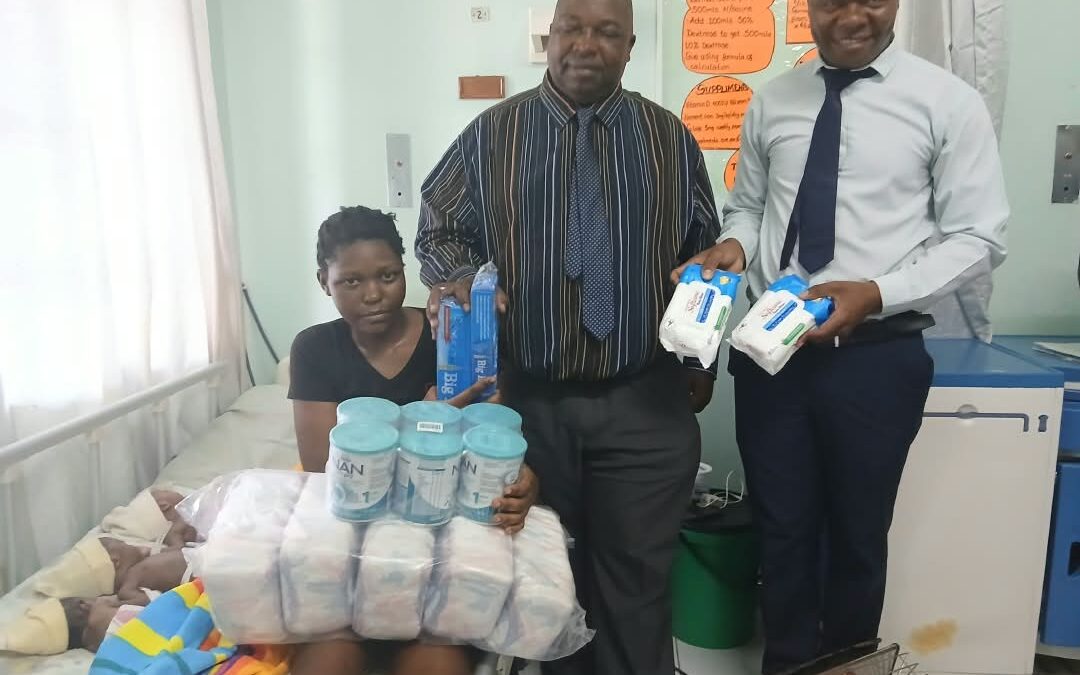
Now, as they begin the demanding journey of raising their triplets, Kwekwe Mayor Councillor Albert Zinhanga and the hospital have stepped in with essential baby supplies, bringing relief to families facing an uncertain financial future.
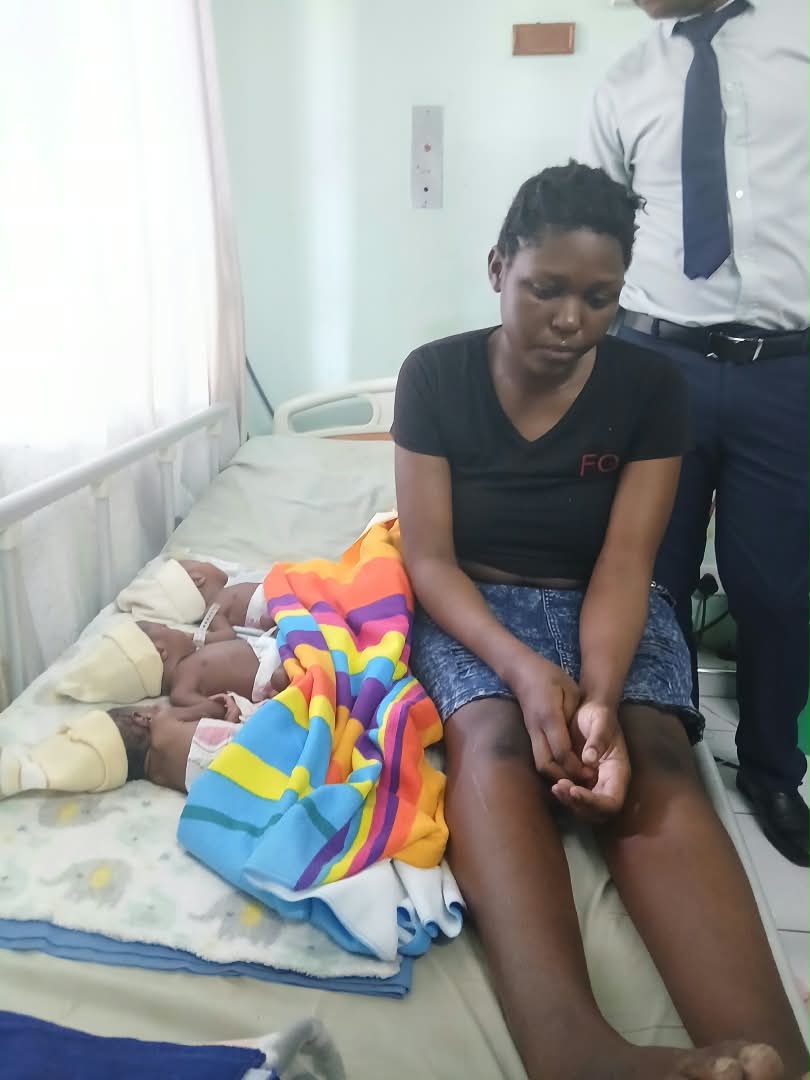
The rare double birth, celebrated at the hospital at the weekend, brought joy to the Kwekwe community while exposing the challenges confronting vulnerable rural families struggling to access maternal healthcare and provide for their children.
Chiremba (31) of Dhukulani Village under Chief Chireya in Gokwe, gave birth to three boys, while Moyo (24) of Mabongwana Village under Chief Gwesela in Zhombe, delivered two girls and a boy.
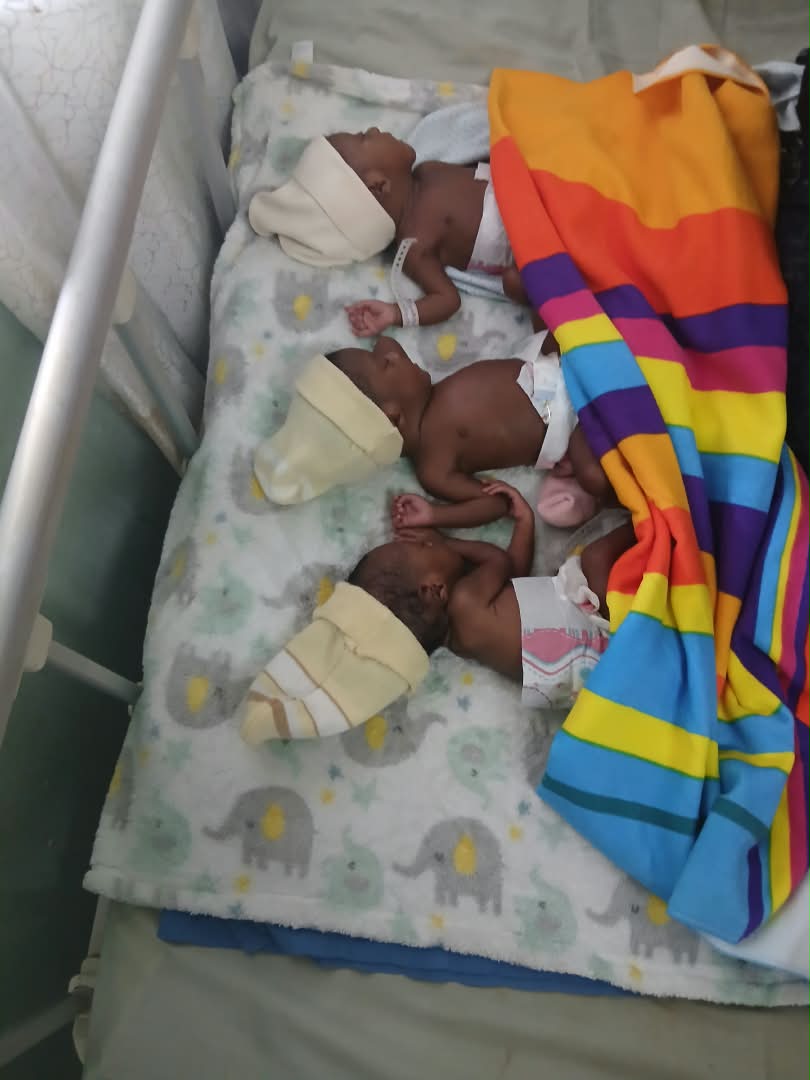
All six babies and their mothers are reported to be in stable condition and are receiving close monitoring from the hospital’s maternity and neonatal teams.
However, behind the celebration lies the daunting responsibility of caring for three newborns at a time, including meeting their feeding, clothing and healthcare needs when household resources are already stretched.
Kwekwe General Hospital Medical Superintendent Dr Tinashe Gunda said the triplets were not diagnosed during pregnancy because the mothers could not afford antenatal clinic fees and ultrasound scans.
“They didn’t know that there were three babies inside. They were so poor that they couldn’t even afford to go to an antenatal clinic,” he said.
Dr Gunda said the families had limited capacity to provide for the babies, with even their extended relatives struggling to offer meaningful assistance.
He said sustained support would be important as the families faced the costs associated with raising three children simultaneously.
Antenatal care helps healthcare workers monitor maternal and foetal health, identify potential complications and prepare for childbirth, while ultrasound scans can establish the number of babies being carried.
After being approached by the hospital for assistance, Cllr Zinhanga mobilised baby hampers for the two families.
The donation included infant formula, six packs of 100 diapers, six baby tracksuits, six vests, six baby wrappers, six towels, 12 face towels, 10 containers of Vaseline Blue Seal, 12 pairs of socks, 16 packs of wipes and six bars of blue soap, among other essentials.
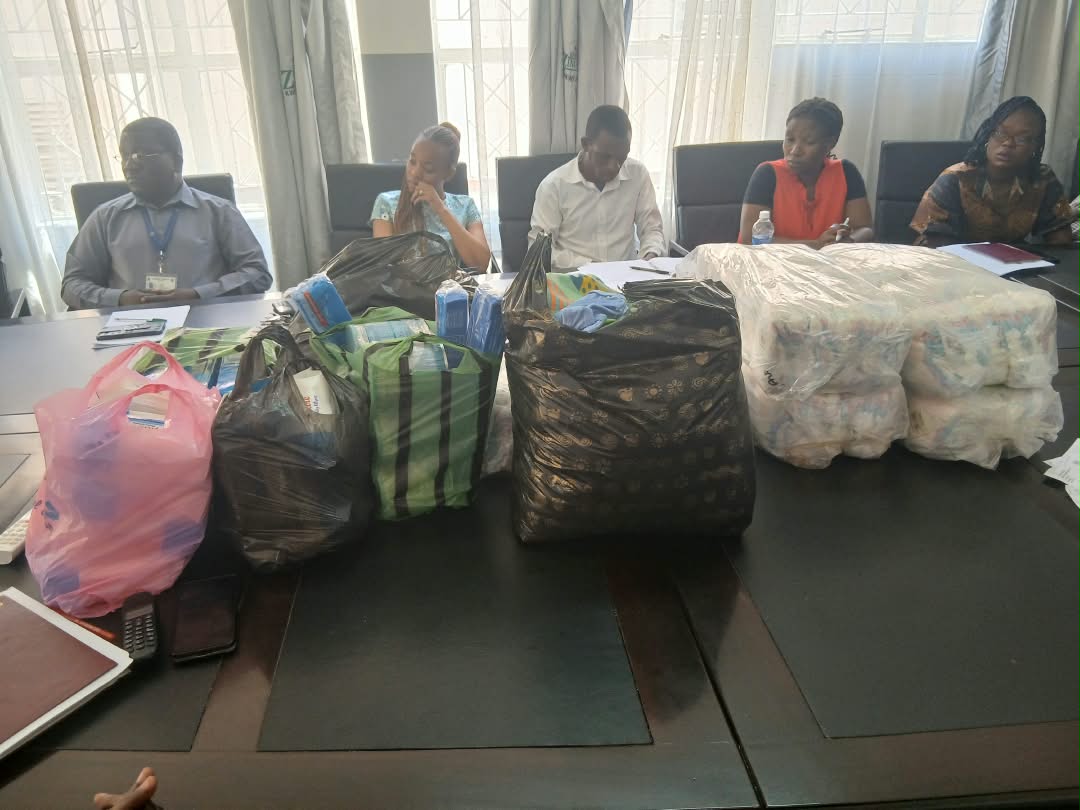
Speaking during the handover, Cllr Zinhanga said he initially received information about one family with triplets before learning that a second family had also delivered three babies.
“When I received a call saying we now have another couple with triplets, I said this is a blessing for the city; we must do something,” he said.
Cllr Zinhanga said the intervention demonstrated the importance of cooperation between local authorities and health institutions in responding to community needs.
He commended the hospital’s management and staff for their work, saying the relationship between his office and the institution was strengthening efforts to improve service delivery.
Cllr Zinhanga pledged continued engagement with the families, saying the initial donation was part of a commitment to help the children until their parents were better able to provide for them.
“If you are struggling with one child, imagine having three. We want these families to receive their children comfortably,” he said.
The Mayor said every child born in Kwekwe had the potential to contribute to the city’s future, adding that local leadership had a responsibility to support residents in times of need.
Dr Gunda thanked the Mayor for responding to the hospital’s appeal, welcoming his commitment to maintain contact with the institution and provide further assistance.
For the two mothers, the donated supplies offer immediate relief, but the months ahead will require continued support as they navigate the demands of feeding and caring for three babies each.
The double birth has also drawn attention to the need to ensure that financial hardship does not keep expectant mothers away from essential maternal healthcare.
As the six newborns begin their lives, continued community support and access to maternal and child healthcare will be crucial in helping the families turn their double blessing into a future of hope.