Online Reporter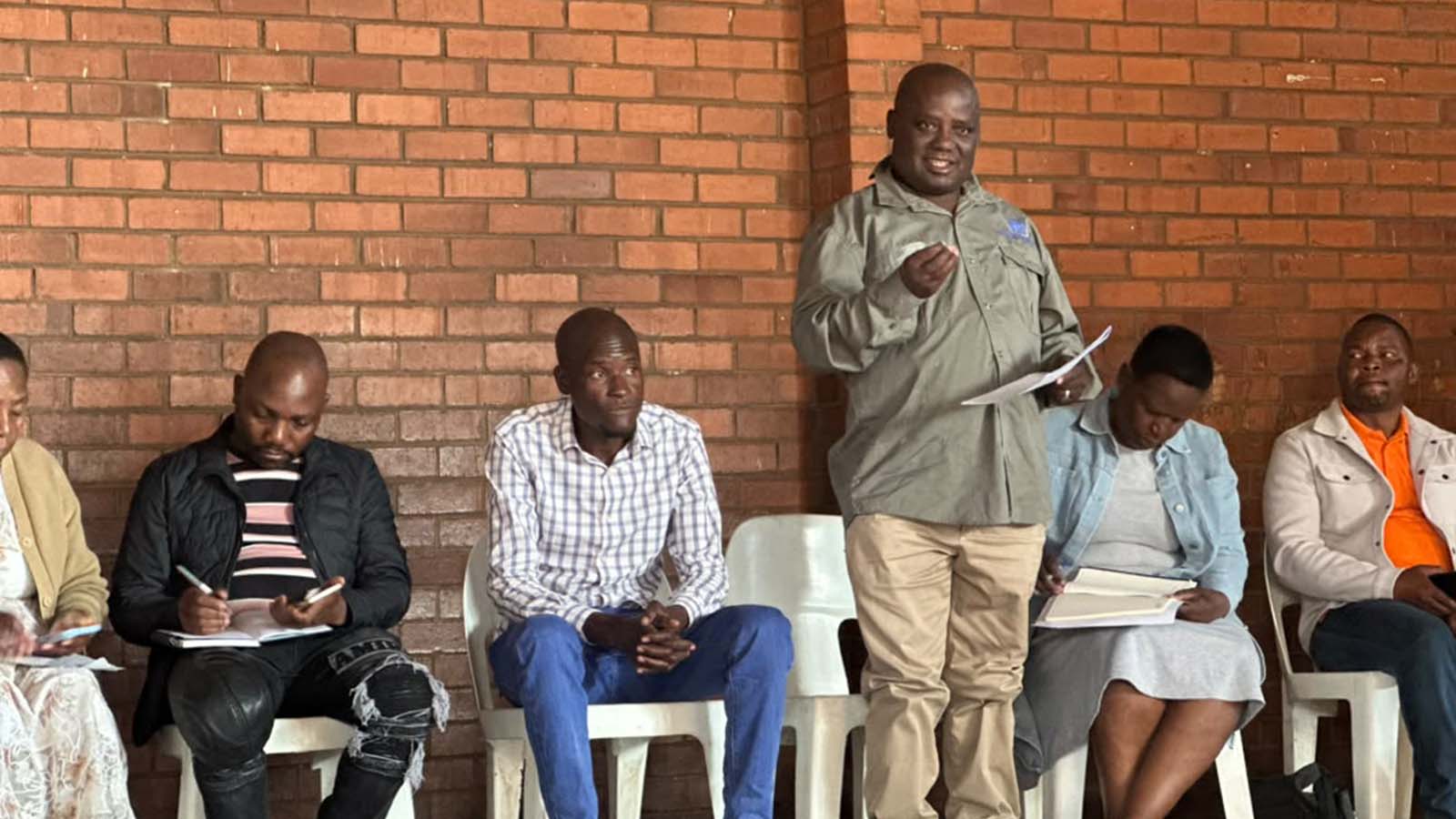
Herald Reporter
DRUG and substance abuse emerged as one of the most pressing challenges confronting Dzivaresekwa residents when Ward 39 held its 2027 budget consultation meeting at Dzivaresekwa 3 Community Hall on Saturday, with residents calling for urgent investment in recreational facilities and youth programmes.
Residents told Ward 39 councillor Stephen Dhliwayo that the drug scourge was increasingly threatening young people in the community and required a coordinated response involving council, churches, families and other stakeholders.
Clr Dhliwayo described the situation as dire, saying the ward could not afford to allow an entire generation of young people to be lost to drugs and substance abuse.
“The situation is bad and requires urgent attention. We need to provide young people with alternatives, because if we leave them without recreational facilities and meaningful activities, we are creating fertile ground for drug and substance abuse,” he said.
Churches in the ward were also credited with playing an important role in educating young people about the dangers of drug abuse, with residents saying faith-based organisations were ready to work with council on developmental programmes.
Residents called for the establishment and rehabilitation of recreational facilities where young people could participate in sport and other constructive activities.
The concerns come at a time when Dzivaresekwa has two community halls — Dzivarasekwa 2 and Dzivaresekwa 3 — which residents said were important community assets but could not, on their own, meet the broader recreational and youth-development needs of the ward.
“The churches are already doing their part in educating our young people and encouraging them to stay away from drugs. Council and the community must build on that work by providing spaces where young people can play, learn and develop their talents,” Cllr Dhliwayo said.
Roads top 2027 budget demands
Road infrastructure emerged as another major concern, with residents urging council to prioritise the connection and rehabilitation of roads in Ward 39 in the 2027 budget.
Residents said the ward still had gaps in its road network, with some roads requiring rehabilitation and others needing to be connected to improve movement within Dzivaresekwa.
They also called for streets to be properly named and labelled to make it easier for residents, visitors, emergency services and service providers to locate properties.
Cllr Dhliwayo said the road network could no longer be treated as a peripheral issue if the ward was to develop sustainably.
“Roads must be a major component of the 2027 budget. We need connected roads and the rehabilitation of existing roads. We also need our streets to be properly named and labelled so that emergency services and other service providers can easily locate people,” he said.
The road concerns come against a background of ongoing service-delivery interventions in Dzivarasekwa. In July, the City of Harare reported that residents had welcomed road rehabilitation works, while the council also reported improvements in public lighting and progress on a new water tank.
Residents call for clinic, ambulance
The meeting also exposed gaps in healthcare provision, with residents calling for a clinic to serve Ward 39 and a dedicated ambulance for the area.
Residents said the absence of a clinic meant some people had to travel outside the ward to access health services, while a dedicated ambulance would improve emergency response.
They also welcomed the Community Health Equity Fund (CHEF), which was designed by the City of Harare, in partnership with the Ministry of Health and Child Care, United Nations Population Fund and ZB Financial Holdings, to improve access to affordable primary healthcare.
Under CHEF, residents can register for a once-off US$1 fee and pay an annual US$2 contribution, after which members are exempt from council clinic fees.
The programme was officially launched in November 2025 and is intended to provide financial protection while strengthening primary healthcare and community participation in health planning.
Recent City of Harare updates indicate that CHEF was being expanded to the remaining health districts, potentially widening access to the scheme.
Residents said they were prepared to support such initiatives financially, provided contributions translated into improved services.
Vending sites sought
The residents also called for properly designated and legal vending sites to allow informal traders to operate within a regulated environment and contribute to the local economy.
They said the sites should be developed in consultation with the City’s small and medium enterprises authorities to create an orderly trading environment while giving residents opportunities to earn livelihoods.
The meeting further heard that churches and other community stakeholders were prepared to contribute towards developmental projects in the ward.
Clr Dhliwayo said development could not be left entirely to council, particularly when communities and institutions were prepared to participate.
“We have a community that is willing to contribute towards development. The churches have indicated that they are ready to chip in, and we should create a framework that allows such partnerships to complement council’s efforts,” he said.
Residents urged to pay bills
The councillor also urged residents to honour their council bills, revealing that **less than 10 percent of residents in Ward 39 were currently paying their bills.
He said the low payment rate was undermining service delivery and placing an unfair burden on ratepayers in other wards.
Clr Dhliwayo said Ward 39 residents were benefiting from services financed partly by residents elsewhere, including Ward 45, where a significantly higher proportion of ratepayers were meeting their obligations.
“We cannot demand better services while refusing to pay for the services being provided. If less than 10 percent of the ward is paying its bills, then we are effectively relying on residents in other wards who are paying. We need to change that culture,” he said.
He urged residents to view payment of council bills as part of their contribution towards improving roads, health services, refuse collection and other municipal services.
The consultation provided residents with an opportunity to influence the priorities that should be considered when the City of Harare prepares its 2027 budget, with drug and substance abuse, roads, healthcare, legal trading spaces, youth recreation and improved revenue collection emerging as some of the ward’s key demands.