

 dyton mupawaenda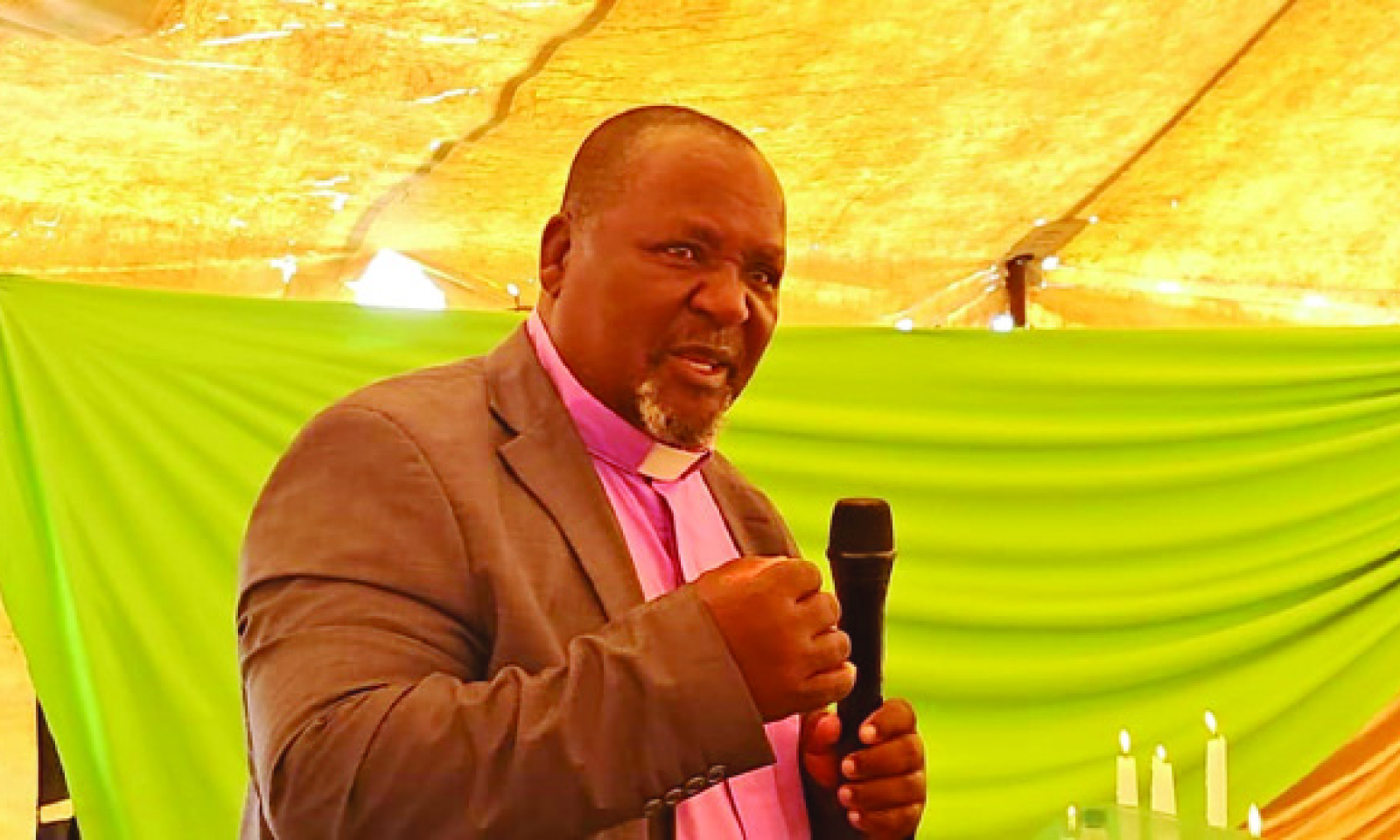
Trust Khosa-Senior Lifestyle Writer
The usually eventful Easter holiday is now upon us, and Christians across the world take it very seriously.
For many, it is a significant Christian holiday that celebrates the crucifixion and resurrection of Jesus Christ, which is central to their faith.
Known as the long weekend by non-believers, this time is celebrated globally, becoming a norm for both Christians and those outside the faith.
This year, the festivities began yesterday with Good Friday, the day most Christians commemorate the crucifixion of Jesus, who sacrificed Himself to save lost souls.
As has become customary, large church gatherings are a staple worldwide, as congregations place great importance on this long weekend.
Meanwhile, non-Christians often use this period to travel and reconnect with friends and family after some time apart.
However, within Christian circles, this holiday is never overlooked; it represents hope, renewal, and new beginnings.
The resurrection provides believers with assurance that death is not the end and that life can be renewed.
In Zimbabwe, large church gatherings have become a prominent feature of the Easter celebration, while many people take the opportunity to travel.
Most companies close for business, allowing their workforce ample time to rejuvenate and spend time with loved ones.
This tradition has been maintained over the years, creating a buzz of excitement in the air. However, it is important to note that some religions do not observe the Easter holiday, continuing their daily activities without interruption.
This diversity in holiday observance highlights the varied ways in which different cultures and faiths approach this time of year.
While Christians celebrate a profound spiritual event, others may view the holiday simply as a break from routine.
This juxtaposition invites reflection on the significance of traditions and the ways they shape our experiences and connections with others.
Ultimately, whether through religious observance or secular enjoyment, the Easter season serves as a reminder of the importance of community and renewal in our lives.
As the holiday is now in full swing, church leaders, non-Christians, and traditionalists have shared their thoughts on this long weekend.
Renowned clergyman Apostle Stephen Mangwanya of the New United Apostolic Faith Church enlightened the world on his understanding of the Easter holiday, which holds a significant place on the Christian calendar.
“Easter is that time of the year when we honour God, who sent His only beloved Son, Jesus Christ, to die on the cross for our salvation. It is a moment for us to restore our faith in God while remembering the profound sacrifices Christ made for us,” stressed Apostle Mangwanya.
“Church denominations might differ on the dates when Easter should be celebrated, but that does not matter as long as we remember that Jesus died on the cross to save us. What is critical about this holiday is honouring God for what He has done for us as His children,” he emphasised.
Praise and worship leader Apostle Sambo, who leads the popular prayer group Zoe Prayer Family, noted that the Easter holiday is special as it reminds us of the sacrifices made by God through His Son, Jesus Christ, who died on the cross.
“It’s a special holiday for me and for all Christians. It’s a time when we celebrate our salvation through the death and resurrection of our Lord Jesus Christ.
“As you are aware, most Christians and churches gather to celebrate together, preaching and singing songs of salvation,” he explained.
As a preacher, Apostle Sambo has vowed to take this opportunity to spread the word of God.
“From Friday, I will be worshipping the Lord with members of the United Methodist Church in Highfield. On Sunday morning, I will join others at a prayer mountain in Domboshawa, where I will conclude my Easter holiday.”
In contrast, Harare grocery trader Jasper Hassan, who identifies as a Muslim, stated that it will be business as usual for him since he does not celebrate Easter.
“I don’t believe in Easter, just as I don’t take Christmas or New Year’s holidays seriously. For us, Ramadan is enough, and those of my faith understand its significance,” he stressed.
Hassan, who has religiously followed Islam, noted that people have the right to freedom of worship.
“I was a Christian before I converted to Islam, which has become my faith of choice. I respect those with different religious beliefs, but I will remain committed to Islam,” he asserted.
Similar sentiments were echoed by Tichaona Maluleke from Chiredzi, who adheres to African traditional religion.
“I believe in the ancestors whose origins I can trace, rather than in Jesus Christ, whom I do not know. Of course, it’s a holiday, but I will be busy in my garden watering vegetables and clearing weeds. I also take the time to meet with my drinking mates and catch up with them,” he remarked.
Despite differing beliefs, Christians in Zimbabwe will join the rest of the world in celebrating Easter, which symbolizes the victory of life over death and the promise of eternal life for believers.
Christians firmly believe that Easter reflects the belief in Jesus’ sacrifice for humanity’s sins, offering forgiveness and reconciliation with God.
Preachers affirm that Jesus’ resurrection provides hope for believers, emphasizing that death is not the end and that life can be renewed.
For both believers and non-believers, Easter is often celebrated with joyful festivities, including special church services, feasts, and various cultural traditions such as Easter eggs and bunny motifs, which symbolize fertility and new life.
In essence, Easter is a profound celebration of faith, love, and the transformative power of renewal.
The true meaning of Easter lies in the resurrection, hope, and Christian beliefs.
According to multiple preachers, it is about the love Jesus has for us, the purpose He gives us, and the peace that follows.
As the holiday unfolds, Zimbabweans are celebrating in unique ways, reflecting their diverse cultural and religious backgrounds.
This season of renewal invites everyone to reflect on their beliefs and the values they hold dear, fostering a sense of community and shared humanity amidst the rich tapestry of faith and tradition.


 Bongani Ndlovu
 Online Reporter